



What Is Lidding Film? The Complete Guide to Types, Uses & How to Choose
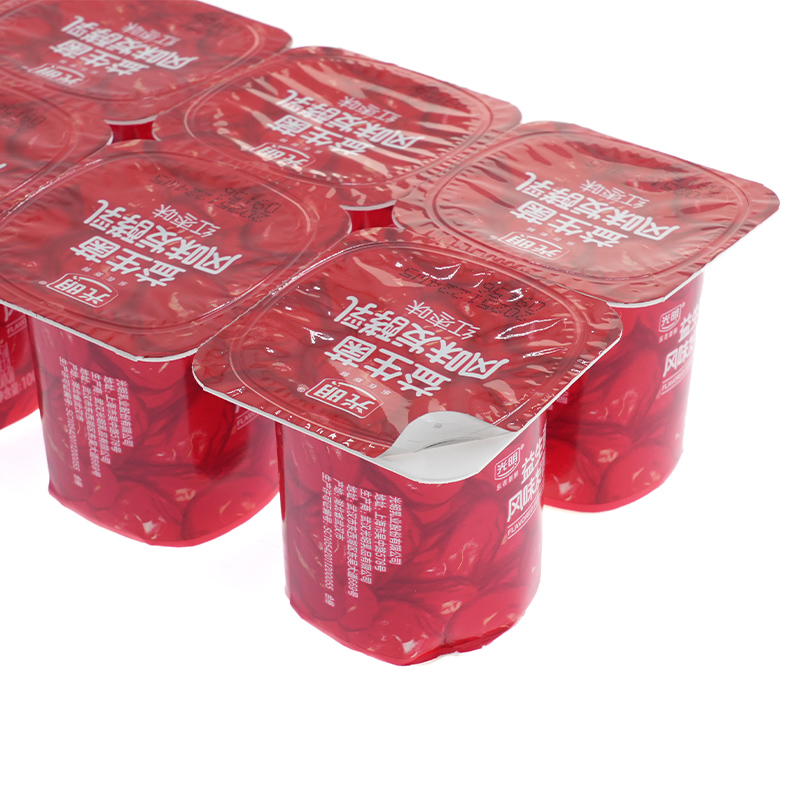
Have you ever peeled a smooth, clean lid off a yogurt cup, revealing a perfectly fresh product underneath? Or struggled with a lid that tears instead of peeling, leaving bits of film stuck around the edges? That thin layer sealing your food container is called a lidding film, and it plays a much bigger role than simply covering a tray.
For food manufacturers, brand owners, and packaging professionals, selecting the right lidding film is a critical decision. It affects product freshness, consumer convenience, packaging line efficiency, and even brand perception. Whether you need a film that peels easily, stays crystal clear in the refrigerator, or withstands high-temperature retort processes, understanding the different types of lidding films is essential.
In this guide, we will explore everything you need to know about lidding films—from how they work to which type best suits your application. We will cover specialized options like aluminum foil easy peel film, anti-fog lidding films, printed lidding film, and more. At Meiji Packaging, as a vertically integrated manufacturer with in-house film blowing and 10‑color rotogravure printing, we engineer custom lidding solutions to match your specific tray materials and sealing equipment.
Key Takeaways
What it is: Lidding film is a flexible cover that seals onto rigid or semi-rigid trays (such as PP, PET, or PS) to protect and preserve food products.
Peelability matters: Easy peel lidding film provides clean, consistent opening without tearing, enhancing consumer experience.
Visibility is key: Anti-fog lidding films prevent condensation from clouding the package, ensuring product visibility from store shelf to home refrigerator.
Barrier protection: Depending on the structure, lidding films can provide oxygen, moisture, and light barriers to extend shelf life.
Versatile applications: From fresh produce to ready meals, lidding film for food packaging is used across dairy, meat, seafood, and convenience food sectors.
Customization: Films can be printed with vibrant graphics, engineered for specific tray materials (PP, PET), and optimized for high-speed sealing machines.
Part 1: What Exactly Is Lidding Film?
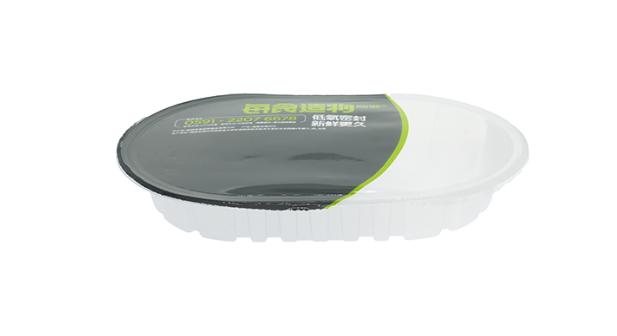
Lidding film is a flexible material, typically supplied in rolls, that is heat-sealed to the top flange of a tray or container. It serves as a barrier between the product and the external environment, preserving freshness while providing a convenient opening mechanism.
Unlike stand‑up pouches or bags, lidding films are designed specifically for tray sealing applications. The film is sealed onto a rigid tray, forming a hermetic closure that protects the contents from oxygen, moisture, and contaminants. When the consumer is ready to use the product, they peel the film off—ideally in one smooth motion without tearing.
Lidding films are used across a wide range of industries, with the food sector being the largest user. Common applications include:
Dairy products (yogurt, sour cream, cheese)
Fresh and prepared meals
Meat, poultry, and seafood
Fruits and vegetables
Pet food
Pharmaceutical and medical devices
At Meiji Packaging, we produce high-performance lidding films that are optimized for high-speed filling lines, including VFFS (Vertical Form Fill Seal) and HFFS (Horizontal Form Fill Seal) machines, as well as dedicated tray sealers. Because we blow our own PE film in-house, we can customize sealant layers to achieve precise peel strength, hot tack, and barrier properties.
Part 2: Key Types of Lidding Films
Not all lidding films are created equal. The right choice depends on your product, tray material, sealing equipment, and consumer expectations. Below are the most common types of lidding films and their primary uses.
| Type | Key Feature | Best For |
|---|---|---|
| Aluminum Foil Easy Peel Film | Maximum barrier; clean peel from rigid trays | Products requiring long shelf life (12+ months); retort applications |
| Easy Peel Lidding Film | Consistent, tear‑free opening | Dairy cups, ready meals, any application where consumer convenience is priority |
| Anti-Fog Lidding Films | Prevents condensation clouding | Fresh produce, refrigerated meals, products with high moisture content |
| Lidding Films for PP Trays | Seals specifically to polypropylene trays | Yogurt, butter, margarine, microwaveable meals |
| Lidding Film for PET Tray | Seals to polyethylene terephthalate trays | Fresh meat, seafood, fruits, bakery items |
| Printed Lidding Film | High‑quality graphics and branding | Retail products where shelf appeal matters |
| High Barrier Lidding Film | Exceptional oxygen and moisture protection | Sensitive products like nuts, dried meats, coffee, medical devices |
| Easy Peel Retort Lidding Film | Withstands high‑temperature sterilization | Shelf‑stable ready meals, canned food alternatives |
| MAP Tray Lidding Film | Maintains modified atmosphere packaging conditions | Fresh meat, fish, cheese, where gas flush is used |
Part 3: Understanding Key Features and Benefits
3.1 Peelability: The Consumer Experience
One of the most critical attributes of any lidding film is how easily it opens. Easy peel lidding film is engineered to provide a consistent, controlled peel force. When designed correctly, the film separates cleanly from the tray flange without delaminating or leaving adhesive residue.
For retort applications—where the package undergoes high‑temperature sterilization—easy peel retort lidding film maintains its peel integrity even after exposure to extreme conditions. This ensures that consumers can open the package effortlessly after the product has been processed and stored for months.
3.2 Clarity and Fog Resistance
Nothing frustrates a shopper more than a package that is clouded with condensation, hiding the product inside. Anti-fog lidding films incorporate additives that prevent water droplets from forming on the inner surface of the film. This maintains full visibility of the product, which is especially important for fresh meat, seafood, and produce where appearance directly influences purchase decisions.
3.3 Barrier Performance
Different products require different levels of protection. High barrier lidding film structures may include layers of EVOH (ethylene vinyl alcohol), aluminum foil, or metalized films to block oxygen, moisture, and light.
For example:
Aluminum foil easy peel film offers nearly 100% barrier against oxygen and light, making it ideal for products that require long shelf life or retort processing.
MAP tray lidding film is specifically designed for modified atmosphere packaging, where a precise gas mixture is used to slow spoilage. These films have low oxygen transmission rates to maintain the gas composition inside the tray.
3.4 Tray Compatibility
Not all trays are made from the same material. Common tray substrates include:
Polypropylene (PP): Used for microwaveable meals, dairy cups, and many ready meals.
Polyethylene Terephthalate (PET): Common for fresh meat, seafood, and bakery trays.
Polystyrene (PS): Often used for yogurt and dessert cups.
Using the correct lidding film for PP trays or lidding film for PET tray is essential. The sealant layer of the film must be chemically compatible with the tray material to form a reliable hermetic seal. At Meiji Packaging, we customize the sealant formulation based on your specific tray type and sealing equipment.
Part 4: Advanced Options for Specialized Applications
4.1 Printed Lidding Film for Brand Impact
In retail environments, the lid is often the first thing a consumer sees. Printed lidding film allows brands to display logos, nutritional information, and vibrant graphics directly on the film. With 10‑color rotogravure printing, we achieve photorealistic images and consistent brand colors across millions of packages.
4.2 Retort-Ready Films
For shelf‑stable products that require high‑temperature sterilization, easy peel retort lidding film is essential. These films are constructed with high‑temperature resistant sealants that maintain seal integrity and peelability even after retort processing (typically 121°C / 250°F). Common applications include ready‑to‑eat meals, pet food, and wet soups.
4.3 Modified Atmosphere Packaging (MAP)
MAP tray lidding film is used in conjunction with gas flushing to extend the shelf life of fresh products like meat, fish, and cheese. The film must have extremely low oxygen transmission rates (OTR) to preserve the modified atmosphere. Depending on the product sensitivity, we offer structures with EVOH or aluminum foil barriers to achieve OTR values as low as<0.5 cc/m²/24h.
Part 5: How to Choose the Right Lidding Film
Selecting the correct lidding film involves evaluating several factors. Here is a simple decision framework:
| Consideration | Questions to Ask |
|---|---|
| Product type | Is it wet or dry? Does it require high oxygen barrier? Will it be refrigerated, frozen, or shelf‑stable? |
| Tray material | Is the tray made of PP, PET, PS, or another material? The sealant must match. |
| Sealing equipment | What is your machine type? What is the sealing temperature and pressure range? |
| Consumer experience | Do you need easy peel? Is anti‑fog important? Will the film be printed? |
| Processing conditions | Does the package go through retort, pasteurization, or high‑speed filling? |
| Sustainability goals | Do you need recyclable mono‑material structures? |
At Meiji Packaging, we take a consultative approach. Our engineers analyze your tray material, machine specifications, and product requirements to recommend the optimal film structure. We also provide sample rolls for on‑machine testing—a critical step to ensure compatibility before full production.
Frequently Asked Questions (FAQ)
Q1: What is the difference between easy peel lidding film and standard lidding film?
A: Easy peel lidding film is engineered to open with consistent, low force without tearing or leaving residue. Standard lidding film may require more force or can tear unpredictably, leading to a poor consumer experience. Easy peel is especially important for dairy cups, ready meals, and any product where convenience matters.
Q2: Can lidding film be used on both PP and PET trays?
A: No. The sealant layer must be matched to the tray material. Lidding film for PP trays uses a sealant formulated to bond with polypropylene, while lidding film for PET tray uses a different sealant. Using the wrong combination can result in weak seals or difficult opening.
Q3: What does anti-fog lidding film do?
A: Anti-fog lidding films contain additives that prevent water condensation from forming droplets on the inner surface of the film. This maintains clear visibility of the product, which is critical for fresh meat, seafood, and produce where appearance influences buying decisions.
Q4: Can lidding film be printed with my brand logo?
A: Yes. Printed lidding film is widely used for retail products. At Meiji Packaging, we offer up to 10‑color rotogravure printing to achieve vibrant, durable graphics that withstand sealing and processing conditions.
Q5: What is MAP tray lidding film?
A: MAP tray lidding film is designed for modified atmosphere packaging. It has very low oxygen transmission rates to maintain the gas mixture (often higher CO₂, lower O₂) inside the tray, extending shelf life of fresh meat, fish, and cheese.
Q6: Can I get a sample for machine testing before placing a large order?
A: Absolutely. We provide free sample rolls (approximately 100 meters) for you to test on your sealing equipment. This allows you to verify seal strength, peel performance, and machine compatibility before moving to mass production.
Q7: How do I know which barrier level I need?
A: It depends on your product’s sensitivity to oxygen, moisture, and light, as well as the desired shelf life. High barrier lidding film with aluminum foil or EVOH is recommended for products requiring more than 6 months of shelf life or those sensitive to spoilage. Our team can help you determine the optimal structure.
Conclusion
Lidding film is a small but essential component of modern food packaging. It protects your product, preserves freshness, and shapes the consumer’s opening experience. Whether you need aluminum foil easy peel film for maximum barrier, anti-fog lidding films for clear product visibility, or printed lidding film to showcase your brand, selecting the right film requires a clear understanding of your product, tray, and equipment.
At Meiji Packaging, we simplify this process. As a vertically integrated manufacturer, we control every step—from blowing our own PE film to customizing sealant formulas and printing with 10‑color rotogravure. Our engineered lidding films for food packaging are designed to run smoothly on high-speed lines, deliver consistent peel performance, and meet the strictest safety standards (BRCGS, ISO 9001, FDA/EU compliant).
Ready to find the ideal lidding film for your application? Contact Meiji Packaging today to speak with our film engineers and request sample rolls for testing.
Please Contact Us!
Recommended Products
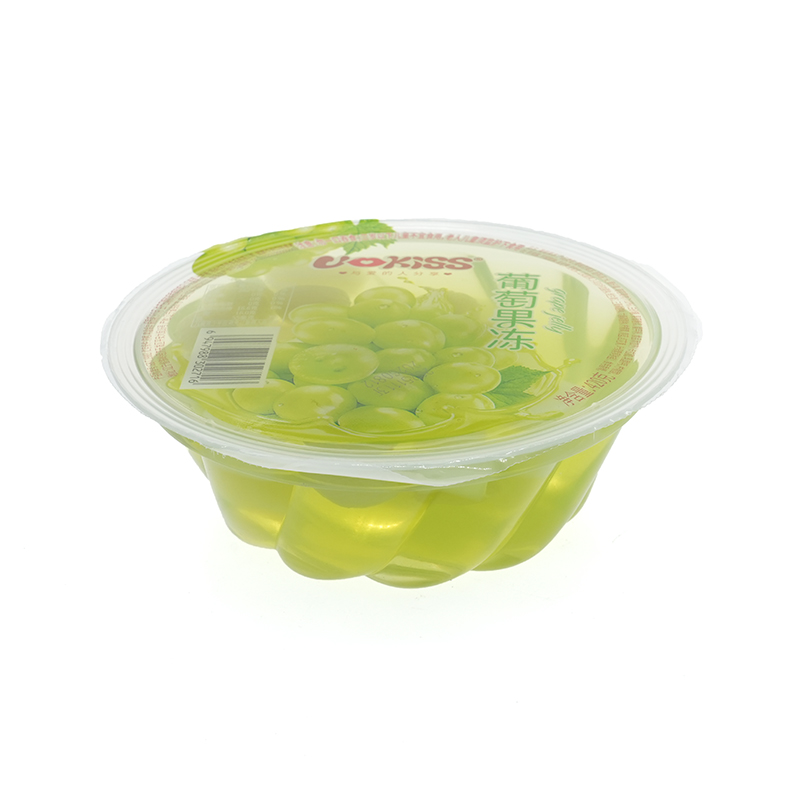
High-Performance Peelable Lidding Film (Easy-Peel & Anti-Fog)
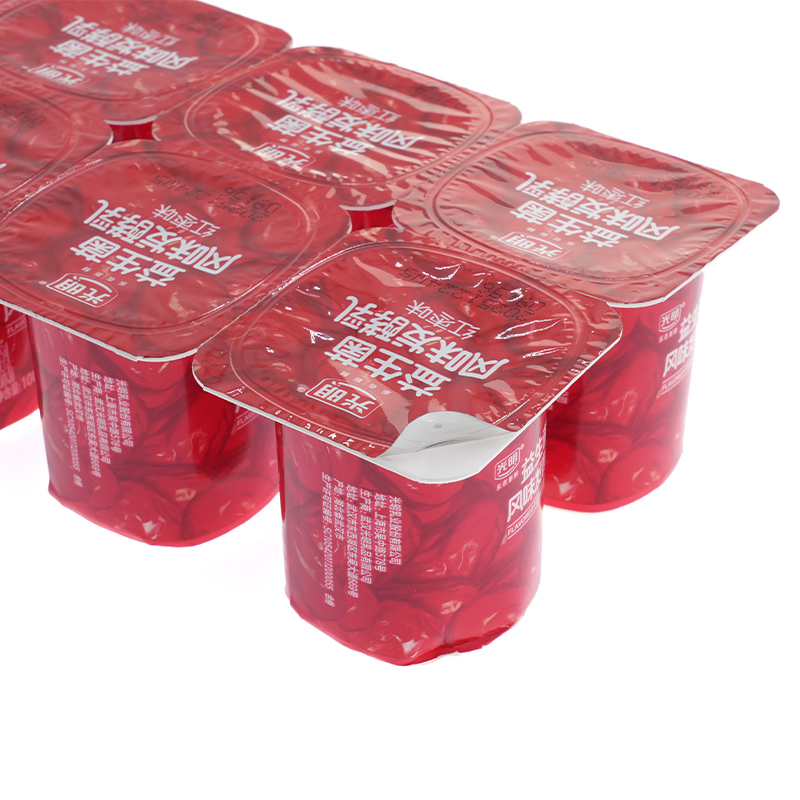
High-Performance Heat Seal Lidding Film for PP & PE Trays
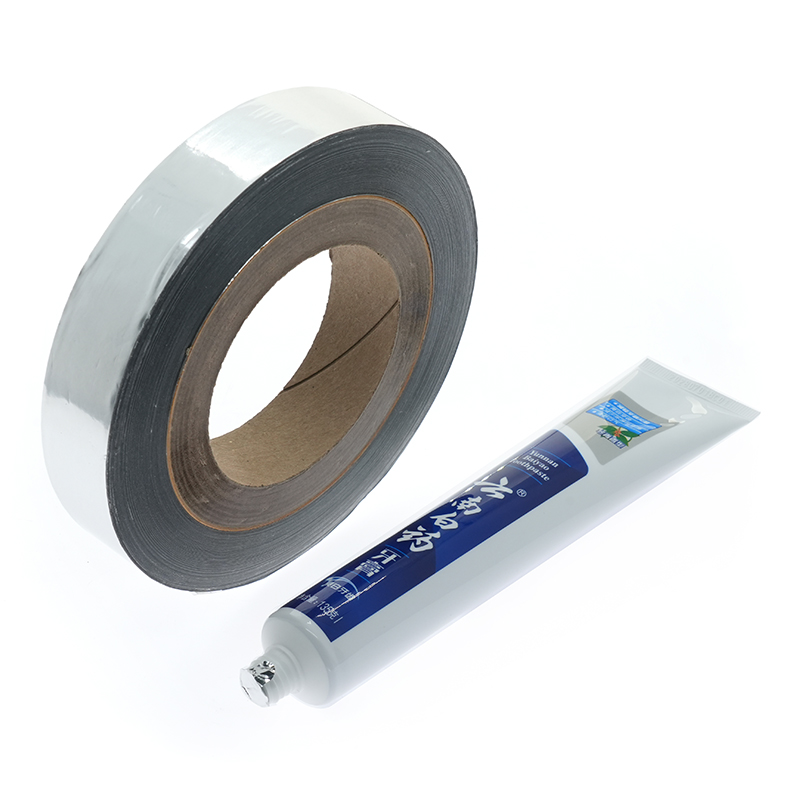
High Barrier Aluminum Foil Easy Peel Film (Toothpaste Tubes)
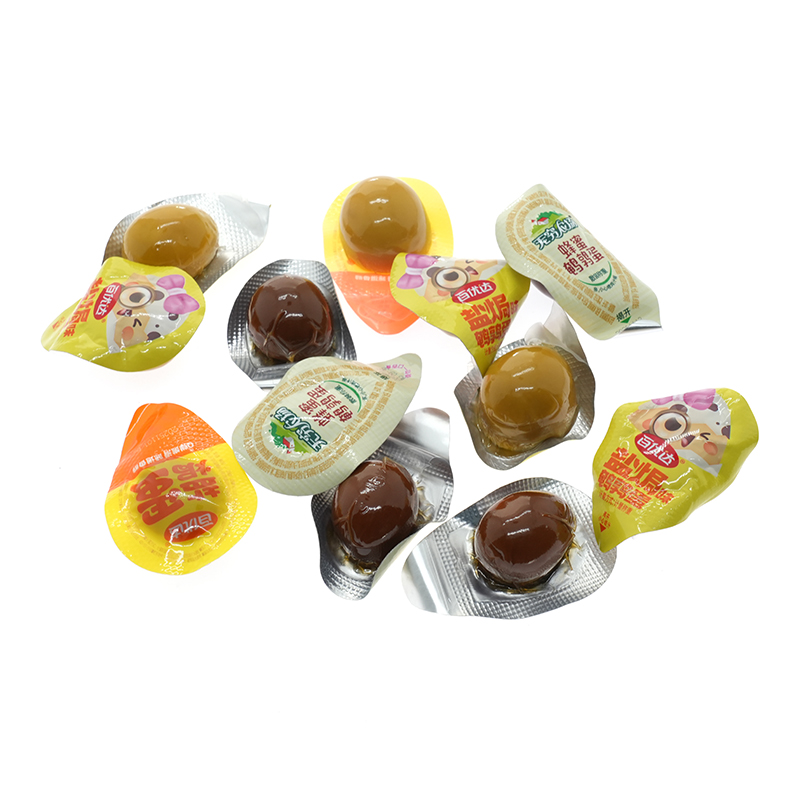
High Barrier Aluminum Foil Retort Lidding Film (10-Color Print)
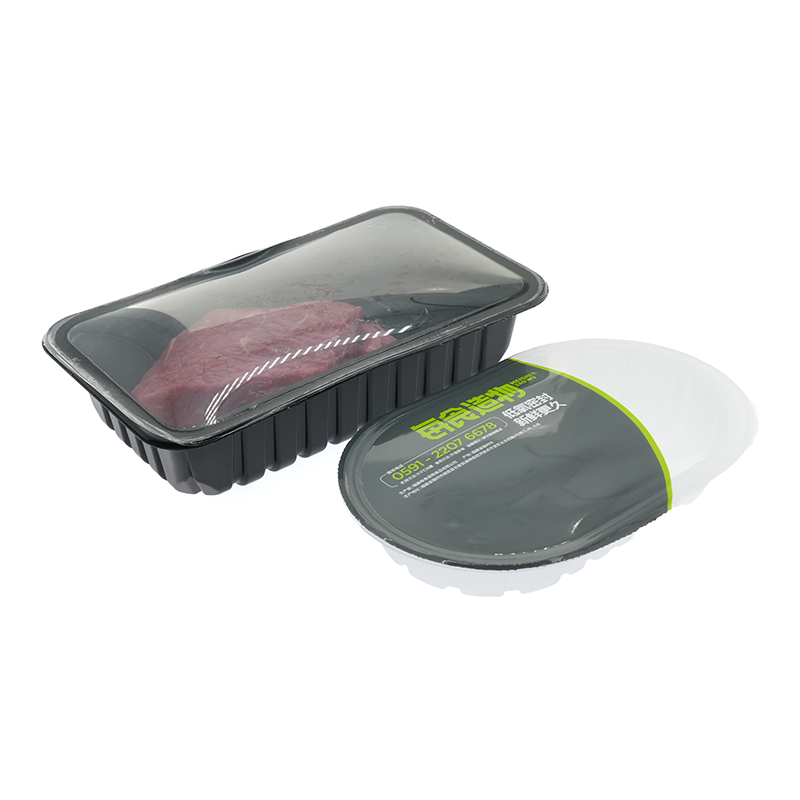
Advanced MAP Packaging Solutions (High Barrier Films & Pouches)
Easy Tear Lamination Film (Linear Tear Technology)
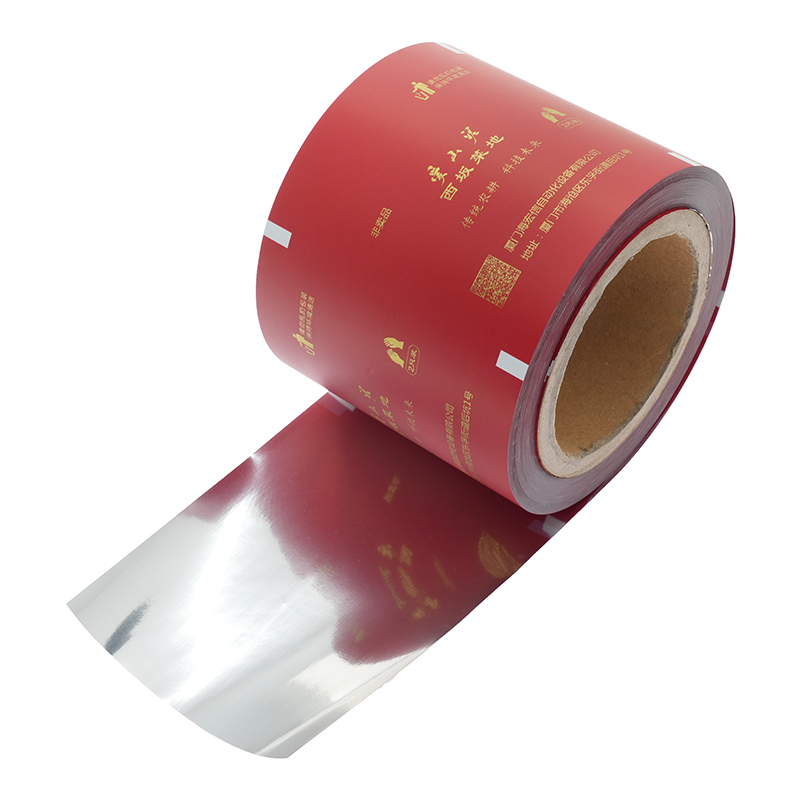
Custom Printed Rollstock Film (VFFS & HFFS)
Recent News
1.Lidding Films: Applications And Use
2026-01-152.The Complete Guide to Choosing the Right Pouch Size for Your Product
2026-01-153.Key Features Defining Pet Treat Packaging in 2026
2026-03-134.What is bag in box packaging
2026-03-195.Retort Pouch Packaging Explained: Everything You Need to Know for Food & Industrial Use
2026-03-206.What is the difference between stand up pouch and flat pouch?
2026-03-23

