



What is bag in box packaging
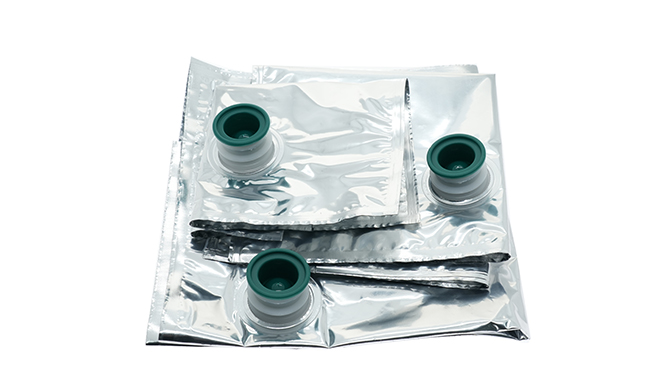
Imagine enjoying a glass of premium wine a month after opening the box, with it tasting just as fresh as the first pour. Picture a restaurant kitchen effortlessly dispensing cooking oil without heavy, messy bottles, or a manufacturer shipping 200 liters of fruit puree in a single, efficient package. This isn't a vision of the distant future; it's the everyday reality powered by Bag-in-Box (BIB) packaging.
For many businesses, from boutique wineries to industrial chemical suppliers, the question "what is bag-in-box packaging?" is the first step toward discovering one of the most efficient, cost-effective, and sustainable ways to package liquids. At Meiji Packaging, as a vertically integrated manufacturer with over a decade of experience, we've seen firsthand how this innovative format transforms supply chains and enhances product quality. In this comprehensive guide, we’ll explore everything you need to know about bag in box packaging solutions—from how they work and why they matter, to choosing the right materials for your specific product.
Key Takeaways
What It Is: A bag in box liquid packaging system consists of a high-barrier flexible bag (the "bag") placed inside a strong corrugated cardboard box (the "box"), fitted with a dispensing tap.
Superior Protection: The multi-layer film structure of the inner bag provides an exceptional barrier against oxygen and light, which is critical for preserving the freshness, flavor, and shelf life of sensitive products like wine.
Unmatched Efficiency: BIB systems are lighter, take up less space (both empty and full), and generate significantly less waste compared to rigid containers like glass bottles or plastic jugs.
Highly Customizable: From 2-liter consumer boxes to 220-liter aseptic drums, and from standard taps to industrial connectors, bag-in-box wine packaging and other liquid solutions are engineered to exact product and volume requirements.
Sustainability Leader: With options for recyclable mono-material bags and reduced transportation emissions, BIB packaging aligns perfectly with modern environmental goals.
Part 1: Demystifying Bag-in-Box - How Does It Work?
At its core, a Bag-in-Box system is elegantly simple, yet technologically advanced. It’s a two-part system designed for the ultimate protection and dispensing of liquids.
The "Bag": The Heart of the System
The inner bag is not a simple plastic sack. It’s a precision-engineered, multi-layer flexible pouch, often manufactured through a process of co-extrusion and lamination. At Meiji Packaging, our process begins with in-house blown PE film, allowing us to control the most critical layer from the very start. This bag is constructed with specific materials (like Nylon, EVOH, or Aluminum foil) to act as a fortress, blocking out oxygen, UV light, and other contaminants that could degrade the product.
The "Box": The Sturdy Shield
The corrugated cardboard box provides structural integrity. It protects the delicate bag from punctures and impacts during transport and storage. It also creates a stable, stackable shape that is far more efficient to palletize and ship than round bottles. The box also serves as a billboard, offering ample printable surface for branding, product information, and eye-catching graphics.
The Tap: The Gateway
The dispensing tap or fitment is the final, crucial component. When attached, it allows for controlled, drip-free dispensing without letting air back into the bag. This is the "no-air-in, no-wine-out" principle that keeps the remaining product fresh for weeks or even months after opening. As the liquid is dispensed, the bag simply collapses around it, preventing a vacuum from forming.
Part 2: Why Choose Bag-in-Box? The Core Advantages
Why are so many industries switching to bag in box flexible packaging? The benefits extend across the entire supply chain, from producer to end-user.
Extended Shelf Life: For products like wine, the high-barrier bag combined with the air-blocking tap can keep the contents fresh for 4-6 weeks after opening, a feat impossible for a bottled wine. Unopened, the right barrier structure can guarantee a shelf life of 12 months or more.
Product Integrity & Taste: By blocking 100% of light and using solvent-free lamination (as we do at Meiji), there is zero risk of chemical migration or UV degradation. The liquid you package tastes exactly as it should, whether it's a delicate extra virgin olive oil or a robust chemical solution.
Logistical Efficiency: This is a game-changer. A filled 3-liter BIB of wine is significantly lighter than four 750ml glass bottles. This weight reduction lowers shipping costs and carbon footprint. When empty, the boxes collapse flat, drastically reducing return logistics and warehouse space.
Cost-Effectiveness: The materials for BIB are generally less expensive to produce and transport than rigid alternatives. These savings can be passed down the chain.
Convenience and Waste Reduction: For consumers, the tap offers easy, no-mess dispensing. For the environment, less packaging material is used overall, and the bags can be designed for recyclability.
Part 3: Finding the Perfect Fit: Barrier Structures and Applications
Not all liquids are the same, and neither are BIB bags. Selecting the correct barrier structure is paramount. The choice depends on the product's sensitivity to oxygen, its chemical makeup, and the required shelf life. Below is a guide to common structures offered by Meiji Packaging for bag in box liquid packaging.
| Barrier Structure | Key Materials | Best For | Key Benefit |
|---|---|---|---|
| Standard | Nylon (PA) / Polyethylene (PE) | Dairy, detergents, non-sensitive liquids. | Excellent puncture resistance and durability. |
| Metalized | Metalized PET (VMPET) / NY / PE | Bag-in-box wine packaging (especially white & rosé), juices, syrups. | High barrier against light and oxygen, preserving aroma and color. |
| Aluminum Foil (AL) | Aluminum Foil / NY / PE | Highly sensitive products requiring 12+ months shelf life (e.g., tomato paste, aseptic fruit purees). | Maximum barrier, blocking nearly 100% of oxygen and light. |
| Transparent EVOH | EVOH / PE | Food-grade oils, water, products where visibility is desired. | High oxygen barrier with full product visibility. |
Industries We Serve with BIB Solutions
The versatility of BIB means it’s trusted across a vast array of sectors:
Food & Beverage: Wine, post-mix syrups, fruit juices, edible oils, liquid eggs.
Dairy: Milk, cream, soft-serve ice cream mix.
Daily Chemical: Liquid laundry detergent, dish soap, industrial engine oils, fertilizers.
Aseptic Bulk: 220-liter liners for transporting fruit purees and tomato paste.
Part 4: Why Material Science Matters - The Meiji Edge in BIB Manufacturing
As a true bag in box manufacturer, we believe that superior packaging starts with superior science. A BIB bag endures a lot: it’s folded, shipped, and handled. This is where specialized engineering makes all the difference.
Fighting Flex-Cracking: One of the biggest enemies of a BIB bag is "flex-cracking"—tiny pinhole leaks that develop from the constant vibration and folding during transport. At Meiji, we combat this by customizing our in-house PE sealant layer with specialized resins. This adds a level of flexibility and resilience that standard films don't have, ensuring your product arrives leak-free.
Solvent-Free Lamination for Purity: We prioritize the taste and safety of your product. By using solvent-free adhesives in our lamination process, we guarantee zero chemical migration into the liquid. The first drop out of the tap tastes exactly as it should, with no off-flavors from packaging materials.
Engineered for Speed and Security: A leak is often not in the film, but at the fitment seal. Our proprietary sealant formula provides a wider sealing window, ensuring a 100% leak-proof bond between the bag and the tap, even on high-speed industrial filling lines. This reliability is backed by lab data, with our high-barrier structures achieving an Oxygen Transmission Rate (OTR) of < 0.5 cc/m²/24h and burst strengths exceeding 40 psi.
Frequently Asked Questions (FAQ)
Q1: What exactly is bag-in-box wine packaging and why is it good for wine?
A: Bag-in-box wine packaging is a system where wine is sealed in a high-barrier, multi-layer bag with a tap, all housed in a cardboard box. It's excellent for wine because the bag collapses as wine is dispensed, preventing air from entering and oxidizing the remaining wine. This keeps the wine fresh for weeks after opening, unlike a bottle which deteriorates quickly once opened.
Q2: Can Bag-in-Box be used for hot-fill products like sauces or syrups?
A: Yes, absolutely. We provide specialized heat-stable films designed for bag in box filling packaging of hot products. These structures can withstand filling temperatures up to 85°C–90°C. It's crucial to specify your filling temperature during the consultation so we can recommend the correct material.
Q3: What is the difference between EVOH and Metalized film for a BIB bag?
A: The main difference is visibility and barrier level. EVOH (Ethylene Vinyl Alcohol) is a transparent material that provides an excellent oxygen barrier, making it ideal for products where you want to see the contents, like oil or water. Metalized film (VMPET) or Aluminum Foil (AL) provides an even higher barrier and, crucially, blocks light. This makes them the superior choice for light-sensitive products like wine, beer, and some juices.
Q4: Will your BIB bags and taps work with my existing filling machine?
A: Our fitments (glands and taps) are designed to meet international standards (typically a 1-inch diameter) and are compatible with the world's major filling equipment, including machines from brands like SIG and Scholle. We can also customize connectors to ensure seamless integration with your existing bag in box filling packaging line.
Q5: Do you provide the outer cardboard box as well?
A: We are a specialist manufacturer of the high-performance inner bags. However, to provide a complete solution, we can provide you with the precise dieline templates for the box, which you can give to your box printer. We can also recommend trusted partner box suppliers to ensure a perfect fit for your complete bag in box packaging system.
Conclusion
Bag-in-Box packaging is far more than a container; it's a sophisticated system designed to protect, preserve, and present liquid products in the most efficient way possible. From enhancing the consumer experience with fresh wine by the glass to revolutionizing industrial supply chains, the advantages of bag in box liquid packaging are clear. Its combination of extended shelf life, logistical savings, and sustainability makes it a smart choice for forward-thinking brands.
At Meiji Packaging, our vertically integrated process—from blowing our own PE films to precision engineering the final bag—ensures that every BIB solution we create meets the highest standards of quality, safety, and performance. We are not just a supplier; we are your partner in finding the perfect packaging solution for your unique liquid product.
Ready to explore how Bag-in-Box can elevate your brand? Contact the Meiji Packaging team today to start a conversation with our engineers.


