



What is the difference between stand up pouch and flat pouch?

You are standing in front of a shelf filled with products. One bag stands firmly on its own, displaying your brand beautifully. Another lies flat, sleek and simple, taking up minimal space. Both are flexible pouches, yet they serve entirely different purposes. If you are trying to decide between a stand up pouch and a flat pouch for your product, you are not alone.
Many brand owners, especially those in food, pet care, and consumer goods, face this exact question. The choice impacts not only how your product looks on the shelf but also how it performs during shipping, how consumers interact with it, and ultimately, how your brand is perceived.
In this guide, we will break down everything you need to know about stand up pouch packaging and flat pouch formats. We will explore their structures, benefits, ideal applications, and key differences. By the end, you will have a clear understanding of whether custom stand up pouches or custom flat pouches are the right fit for your product line. At Meiji Packaging, as a vertically integrated Customize Flexible Packaging Pouches Manufacturer with our own blown film and 10‑color rotogravure printing, we help brands make this decision every day.
Key Takeaways
Structure defines function: A stand up pouch has a gusseted bottom that allows it to stand upright on a shelf. A flat pouch has no gusset and remains flat, similar to a traditional bag or sachet.
Shelf presence vs. space efficiency: Stand up pouch packaging offers superior visibility and branding surface, while flat pouches maximize storage and shipping efficiency.
Customization options: Both formats support high‑barrier materials, 10‑color printing, resealable zippers, and sustainable films.
Application matters: Stand up pouches are ideal for retail products like snacks, coffee, and pet food. Flat pouches are commonly used for single‑serve sachets, lightweight items, or as inner liners in cartons.
Cost and MOQ considerations: Flat pouches typically have lower material usage and can have smaller minimum order quantities, while stand up pouches offer higher perceived value on shelves.
Part 1: What Is a Stand Up Pouch?
A stand up pouch is a type of flexible packaging that features a gusseted bottom. When filled, this gusset expands to create a flat, stable base that allows the pouch to stand upright on its own. This design has made stand up pouch packaging one of the most popular formats in retail today.
Key structural features:
Bottom gusset (folded panel) that expands when filled
Typically side-sealed or back-sealed
Often includes features like zippers, tear notches, hang holes, or spouts
Available in various styles: standard stand up pouch, flat bottom pouch (box pouch), and quad-seal designs
At Meiji Packaging, our custom stand up pouches are produced using vertically integrated processes. We start from in-house blown PE film, ensuring consistent quality and cost control. Our printed stand up pouches utilize 10‑color rotogravure printing, delivering vibrant, photo‑realistic graphics that capture consumer attention.
Common applications:
Coffee and tea
Snacks and nuts
Pet food and treats
Liquid products (with spout)
Ready-to-eat meals
Nutritional powders
Advantages of stand up pouches:
Superior shelf visibility: The upright posture mimics rigid packaging like boxes or bottles
Large printable surface: Multiple panels for branding and product information
Convenience features: Resealable zippers, easy-tear notches, and handle options
Lightweight and space-efficient compared to rigid containers
Premium consumer perception

Part 2: What Is a Flat Pouch?
A flat pouch is the simplest form of flexible packaging. It consists of two sheets of film sealed on three or four sides, with no gusset. When empty, it lies completely flat. When filled, it takes the shape of its contents but does not stand on its own.
Key structural features:
No bottom gusset
Three-side seal or four-side seal configuration
Can be made with or without a zipper (though zippers are less common)
Often used as a pillow pouch or sachet
As a manufacturer of custom flat pouches, Meiji Packaging offers full customization in size, material, and printing. Even without a gusset, flat pouches can be produced with high-barrier films, including aluminum foil, EVOH, and recyclable mono-materials.
Common applications:
Single‑serve sachets (sauces, condiments, samples)
Dry powder packaging (protein powders, supplements)
Inner liners for carton boxes (bag-in-box)
Small hardware or spare parts
Lightweight consumer goods
Medical or pharmaceutical samples
Advantages of flat pouches:
Minimal material usage, reducing cost and environmental footprint
Extremely space-efficient for storage and transport
Fast filling speeds on automated packaging lines
Lower minimum order quantities in many cases
Can still be printed with high-quality graphics for brand recognition
Part 3: Key Differences Between Stand Up Pouches and Flat Pouches
To help you compare the two formats side by side, here is a detailed breakdown of their differences across important dimensions.
| Feature | Stand Up Pouch | Flat Pouch |
|---|---|---|
| Structure | Bottom gusset allows self-standing | No gusset, lies flat |
| Shelf Display | Upright, excellent visibility | Typically used in bins, cartons, or hung |
| Printable Surface | Multiple panels (front, back, sometimes sides and bottom) | Two sides (front and back) |
| Consumer Convenience | Often includes resealable zippers, spouts, or handles | Usually single-use or peel-open |
| Material Usage | Higher due to gusset and additional film | Lower, more efficient material consumption |
| Storage & Shipping | Takes more space when filled; boxes may be bulkier | Extremely compact, reduces logistics cost |
| Perceived Value | Premium, retail-ready | Functional, value-oriented |
| Typical Fill Weight | 50g to 5kg+ | 1g to 500g typically |
| Production Speed | Moderate, with more steps | Fast, suitable for high-speed vertical form fill seal (VFFS) lines |
| Sustainability Options | Recyclable mono-materials, compostable films available | Same material options; often uses less material per unit |
Part 4: How to Choose Between Stand Up Pouch and Flat Pouch
Your choice depends on several factors related to your product, distribution channel, and brand positioning. Here are the key questions to ask yourself.
1. Where will your product be sold?
If your product sits on a retail shelf alongside rigid competitors, stand up pouch packaging provides the shelf presence you need. The upright posture catches the eye and communicates quality.
If your product is sold as a multi-pack inside a carton, or as a single‑serve item at checkout, a flat pouch may be more appropriate.
2. How will consumers use the product?
For products that are used multiple times (e.g., coffee, pet food, snacks), a resealable custom stand up pouch with a zipper offers convenience and preserves freshness.
For single‑serve or single‑use products (e.g., a sauce sachet, a sample packet), a flat pouch is more efficient and cost‑effective.
3. What is your logistics and storage strategy?
If shipping costs are a major concern and you need to maximize pallet density, custom flat pouches take up significantly less space than stand up pouches.
If you want your packaging to act as a display unit without additional shelving, a stand up pouch is the better choice.
4. What is your budget and MOQ tolerance?
Custom stand up pouches typically require higher minimum order quantities due to the complexity of tooling and gusset formation.
Flat pouches can often be produced with lower MOQs, making them suitable for startups, seasonal products, or test markets.
5. What sustainability goals do you have?
Both formats can be made from recyclable mono-materials or certified compostable films. However, because flat pouches use less material by weight, they often have a lower carbon footprint per unit.
At Meiji Packaging, we offer eco‑friendly options for both stand up pouch packaging and custom flat pouches, including TUV‑certified biodegradable films and 100% recyclable PE structures.
Part 5: Material and Customization Options for Both Formats
Regardless of which format you choose, you have extensive control over materials, barriers, and aesthetics. As a vertically integrated manufacturer, Meiji Packaging controls the entire process from blown film to finished pouch, ensuring consistent quality across all orders.
Barrier structures available:
Standard (PE/Nylon): Good puncture resistance for dry products
Metalized (VMPET): High light and oxygen barrier for coffee, nuts, and snacks
Aluminum foil: Maximum barrier for shelf life up to 24 months
EVOH transparent: High oxygen barrier with product visibility
Recyclable mono-PE/PP: 100% recyclable structures for sustainability-focused brands
Printing and finishing:
10‑color rotogravure printing: Photo‑realistic graphics with consistent brand colors
Matte or gloss finish: Customizable surface effects
Cold seal or heat seal: Depending on filling equipment
Add-on features:
Resealable zippers (for stand up pouches)
Tear notches and laser scoring
Hang holes for peg displays
Spouts and fitments (for liquid products)
Window panels for product visibility
Frequently Asked Questions (FAQ)
Q1: What is the main difference between a stand up pouch and a flat pouch?
A: The primary difference is the bottom gusset. A stand up pouch has a gusseted base that expands to allow the pouch to stand upright on a shelf. A flat pouch has no gusset and lies flat, making it ideal for single‑serve or space‑efficient applications.
Q2: Which is more cost‑effective, custom stand up pouches or custom flat pouches?
A: Flat pouches generally use less material and can have lower per‑unit costs, especially at smaller volumes. However, stand up pouch packaging often provides better shelf presence and perceived value, which can justify the higher cost for retail products.
Q3: Can flat pouches be resealable?
A: While less common, flat pouches can be equipped with press‑to‑close zippers or peel‑and‑seal features. However, the design is best suited for single‑use or inner‑liner applications. For resealability with premium shelf display, custom stand up pouches are typically preferred.
Q4: What is the typical minimum order quantity (MOQ) for each?
A: MOQs vary based on material and size. At Meiji Packaging, custom flat pouches often have lower MOQs, starting around one pallet. Custom stand up pouches may require slightly higher volumes due to gusset tooling, but we offer flexible options to accommodate different project scales.
Q5: Which format is more environmentally friendly?
A: Both can be sustainable. Flat pouches use less material per unit, reducing weight and transport emissions. Stand up pouches can be made with recyclable mono-materials or compostable films to meet eco‑goals. Meiji Packaging offers certified sustainable options for both formats.
Q6: Can I get samples before placing a full order?
A: Yes. We provide stock samples for both stand up pouch packaging and flat pouch styles free of charge. Custom printed samples can be arranged based on your artwork and specifications.
Q7: How long does custom production take?
A: Our standard lead time for custom orders is 15–20 days from artwork confirmation, thanks to our vertically integrated manufacturing. This applies to both custom stand up pouches and custom flat pouches.
Conclusion
Choosing between a stand up pouch and a flat pouch is not simply about aesthetics—it is about aligning your packaging with your product’s needs, distribution channels, and brand promise. Stand up pouch packaging offers unmatched shelf presence, consumer convenience, and premium appeal, making it the go‑to choice for retail brands in coffee, snacks, and pet food. Flat pouches, on the other hand, excel in efficiency, material savings, and applications where space and cost are the primary drivers.
At Meiji Packaging, we help brands navigate this decision every day. As a vertically integrated manufacturer, we control every step—from in-house PE blown film to finished pouches—ensuring consistent quality, competitive pricing, and reliable lead times. Whether you need custom stand up pouches with 10‑color printing and resealable zippers, or high‑barrier custom flat pouches for single‑serve applications, our team is ready to deliver packaging that protects your product and elevates your brand.
Ready to explore which format is right for you? Contact Meiji Packaging today to speak with our packaging engineers.
Please Contact Us!
Recommended Products
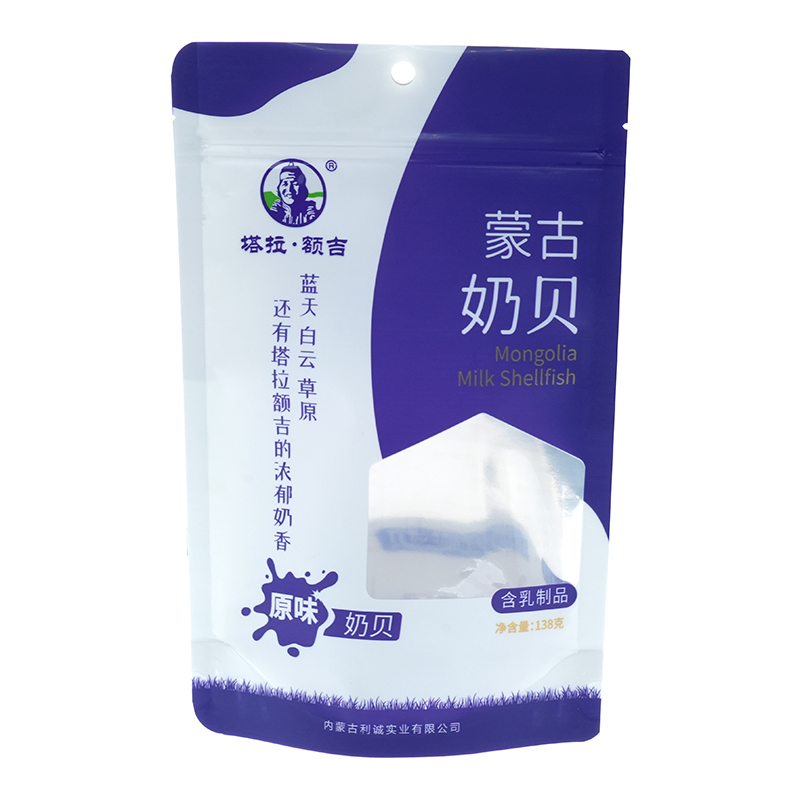
Premium Stand Up Zipper Pouch with Resealable Lock
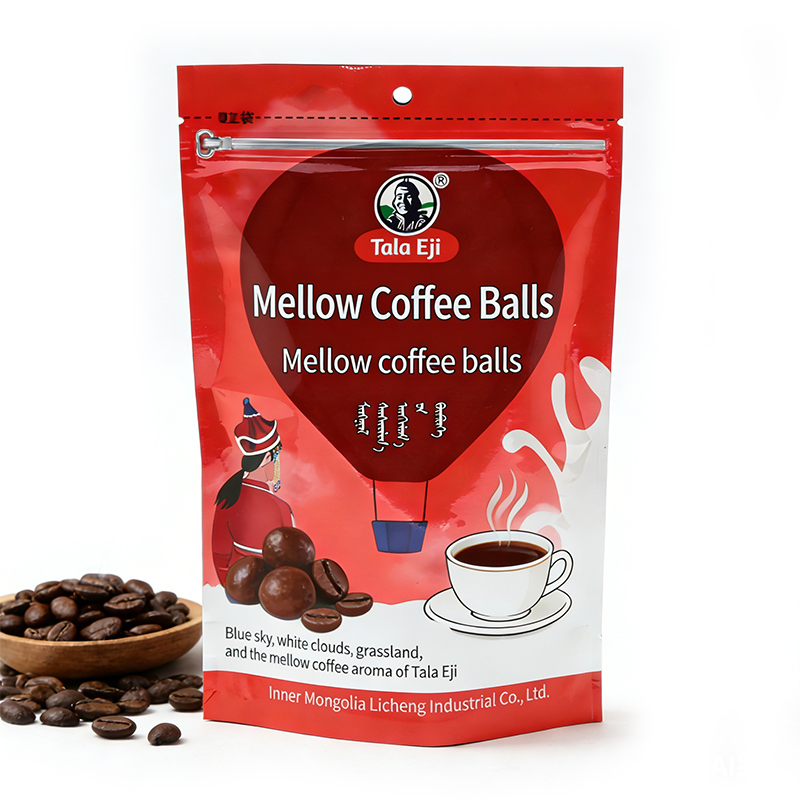
Custom Printed Stand Up Pouch (Doypack)
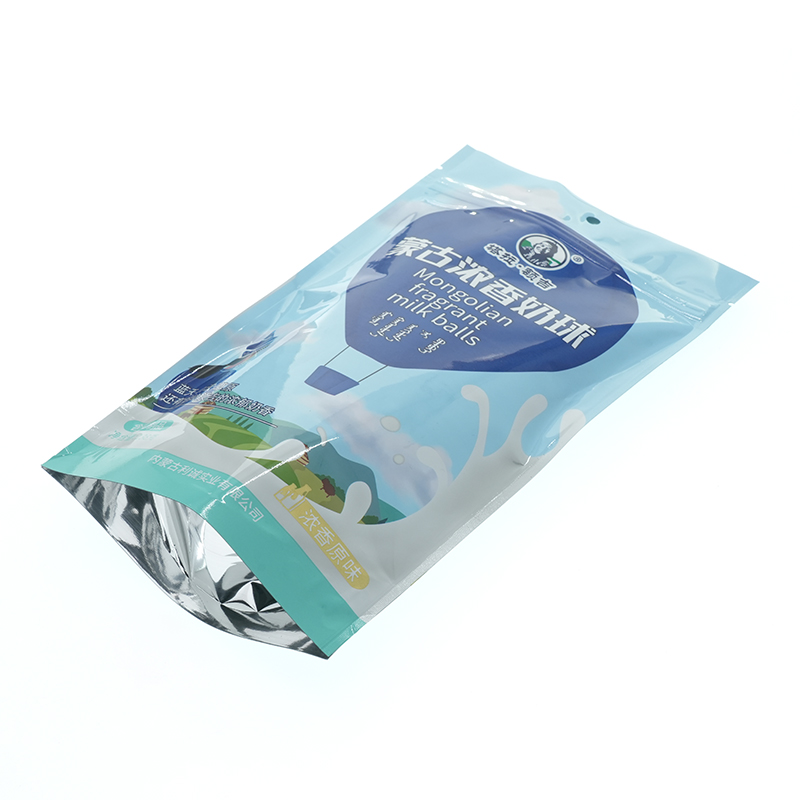
Custom Printed Stand Up Food Packaging Pouches (Soup & Snack Series)
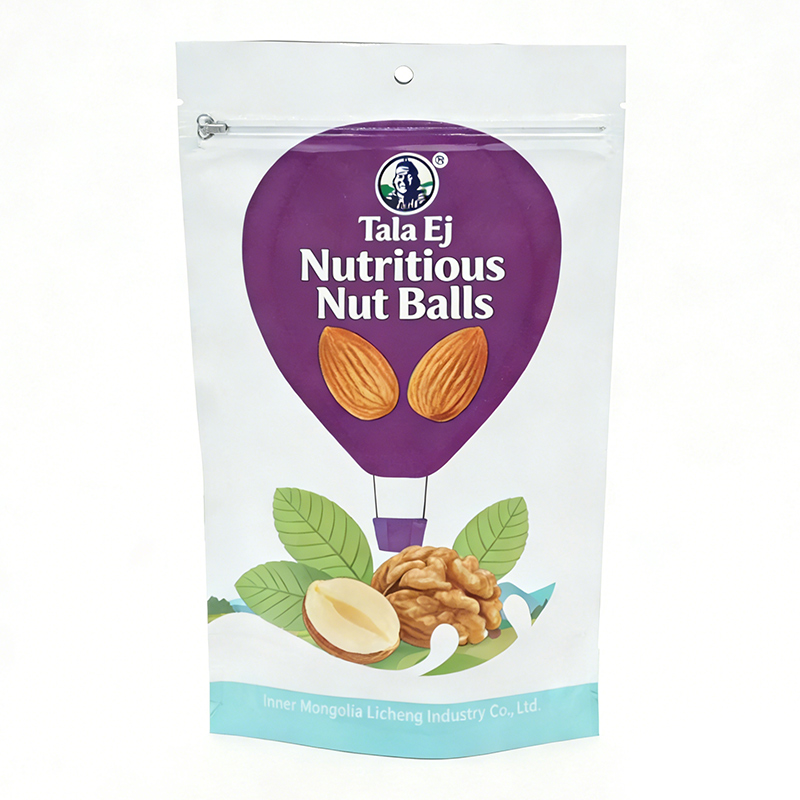
Versatile Stand Up Pouch Solutions: 100g to 5kg Bulk Packaging
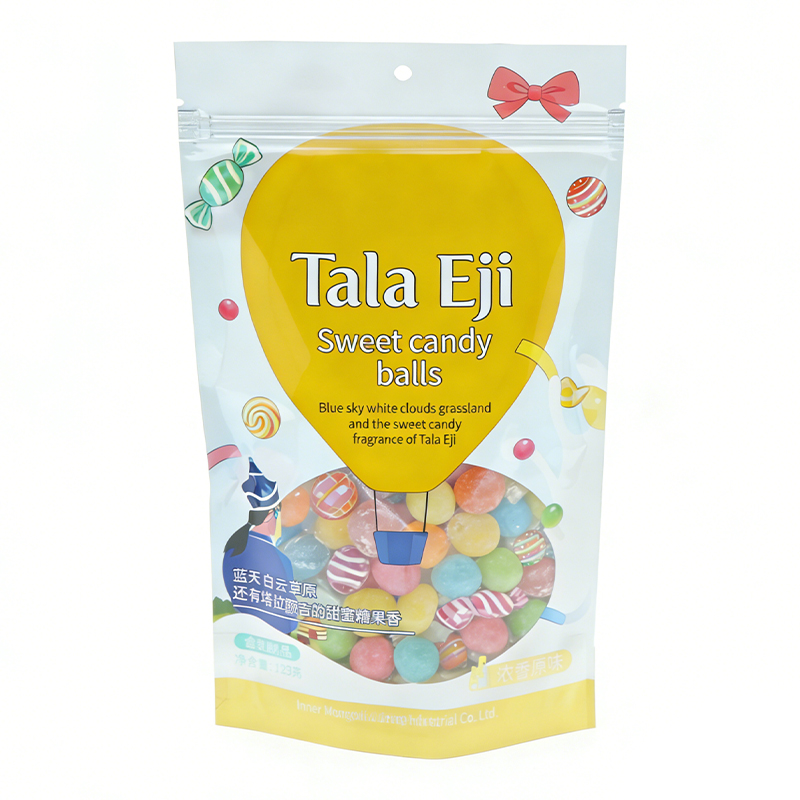
Recyclable & Biodegradable Stand Up Pouches
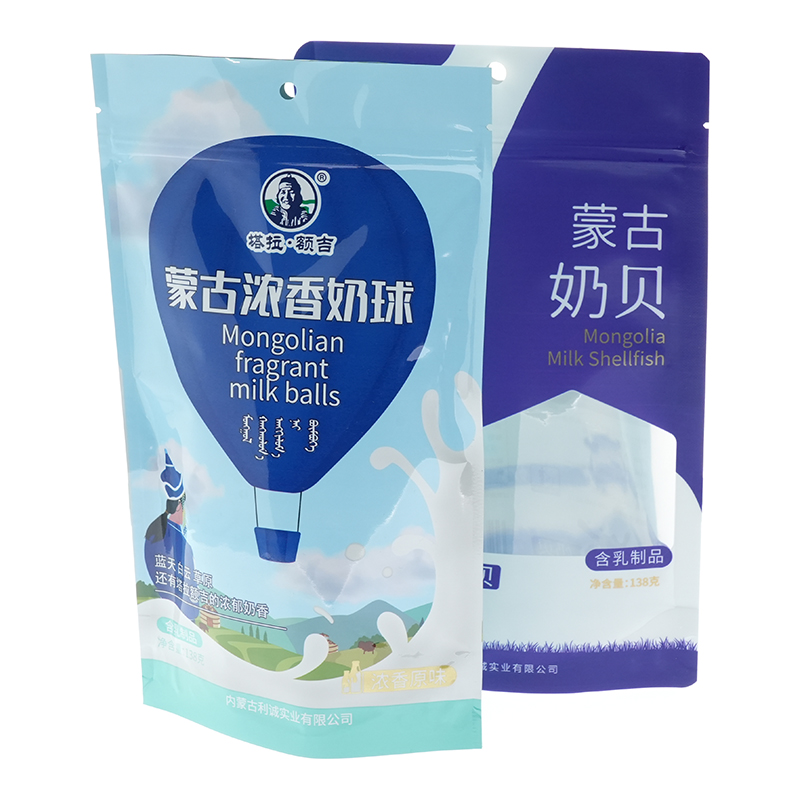
High Barrier Aluminum Foil Stand-up Bag
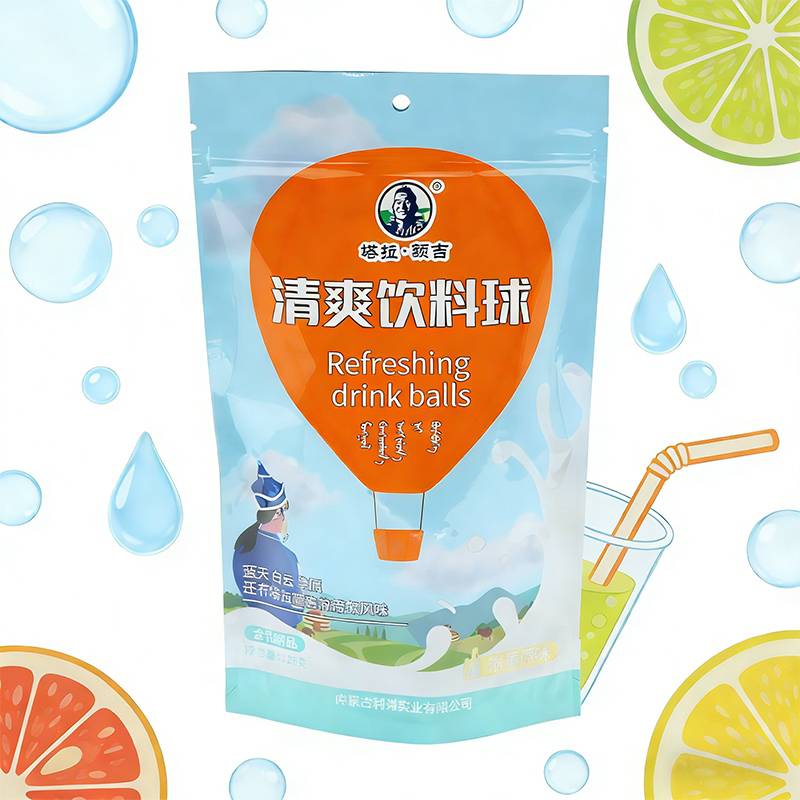
Space-Saving Gusseted Ziplock Bags with Integrated Hanging Hole
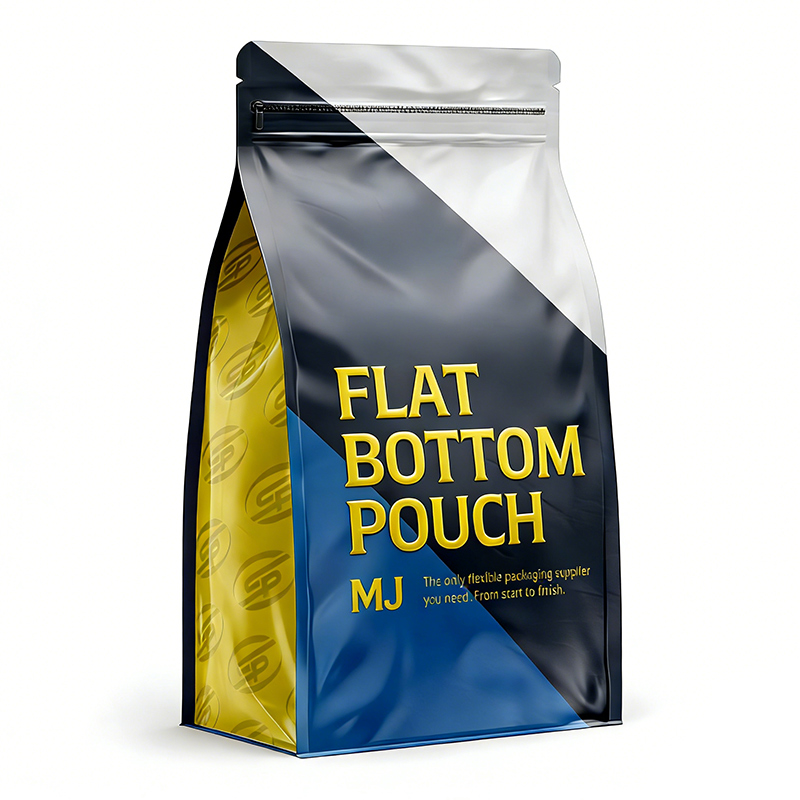
Premium Quad Seal Coffee Bags丨Square Bottom Gusseted Bags
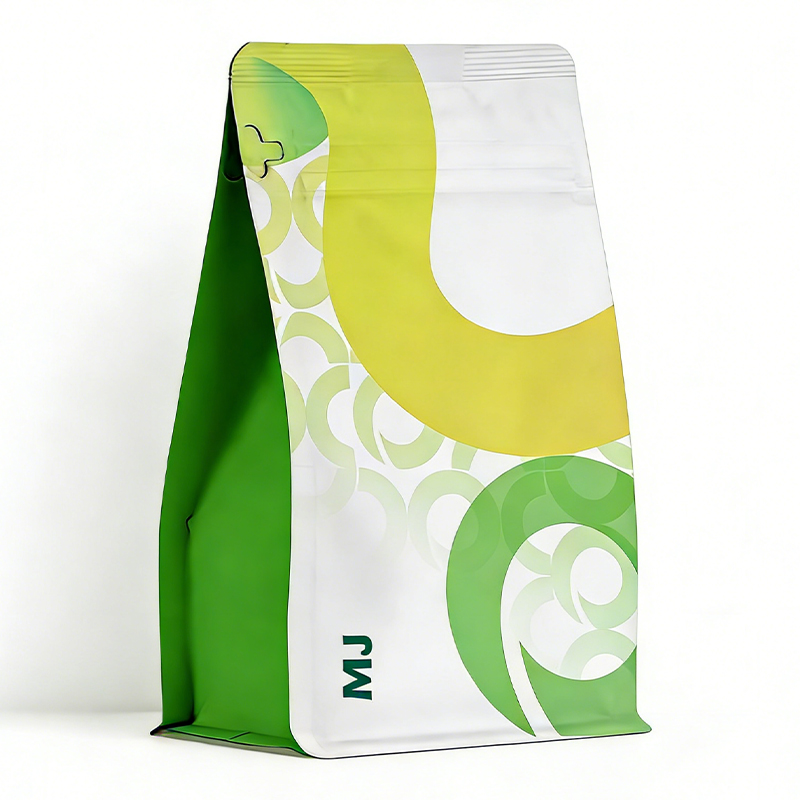
Premium Flat Bottom Stand Up Pouch with Resealable Zipper
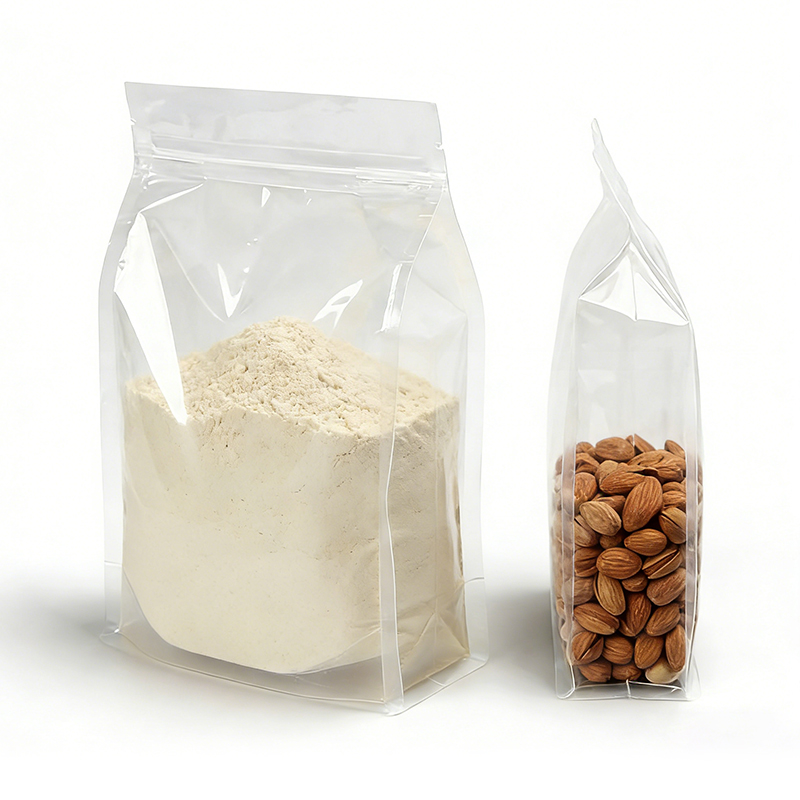
High-Performance Clear Flat Bottom Pouches (Powders, Soups & Seafood Series)
Recent News
1.Lidding Films: Applications And Use
2026-01-152.The Complete Guide to Choosing the Right Pouch Size for Your Product
2026-01-153.Key Features Defining Pet Treat Packaging in 2026
2026-03-134.What is bag in box packaging
2026-03-195.Retort Pouch Packaging Explained: Everything You Need to Know for Food & Industrial Use
2026-03-20

