Lidding Films: Applications And Use
Lidding films have become an essential component in modern packaging, providing secure, functional, and attractive sealing solutions across diverse industries. Whether you package fresh food, medical devices, or consumer goods, understanding lidding films is crucial for ensuring product integrity, extending shelf life, and enhancing the end-user experience.
This comprehensive guide explores everything you need to know about lidding films—from basic material science to advanced selection criteria—helping you make informed decisions that balance performance, cost, and sustainability.
What Are Lidding Films?
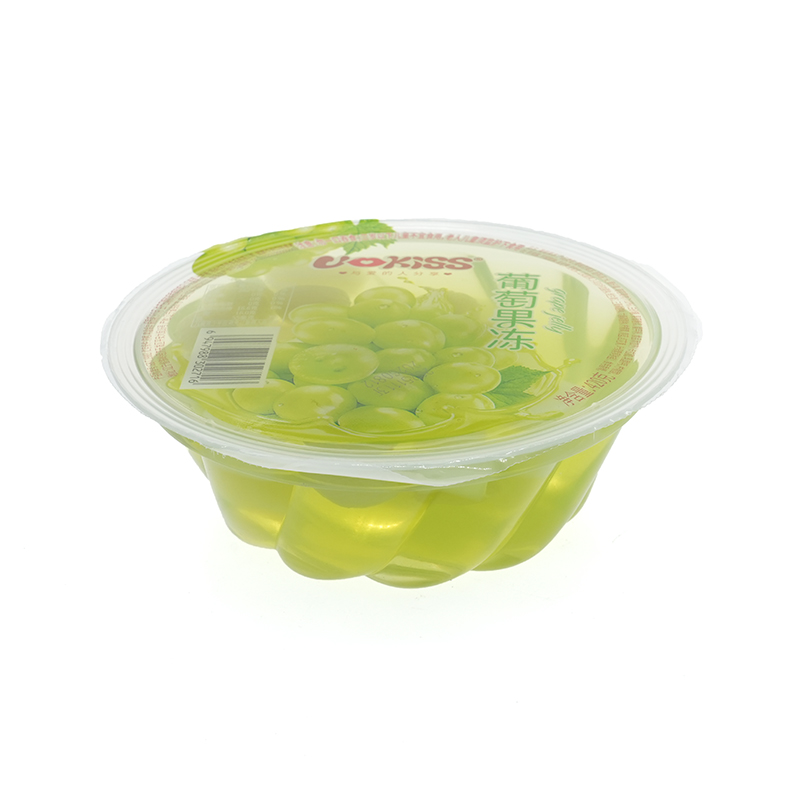
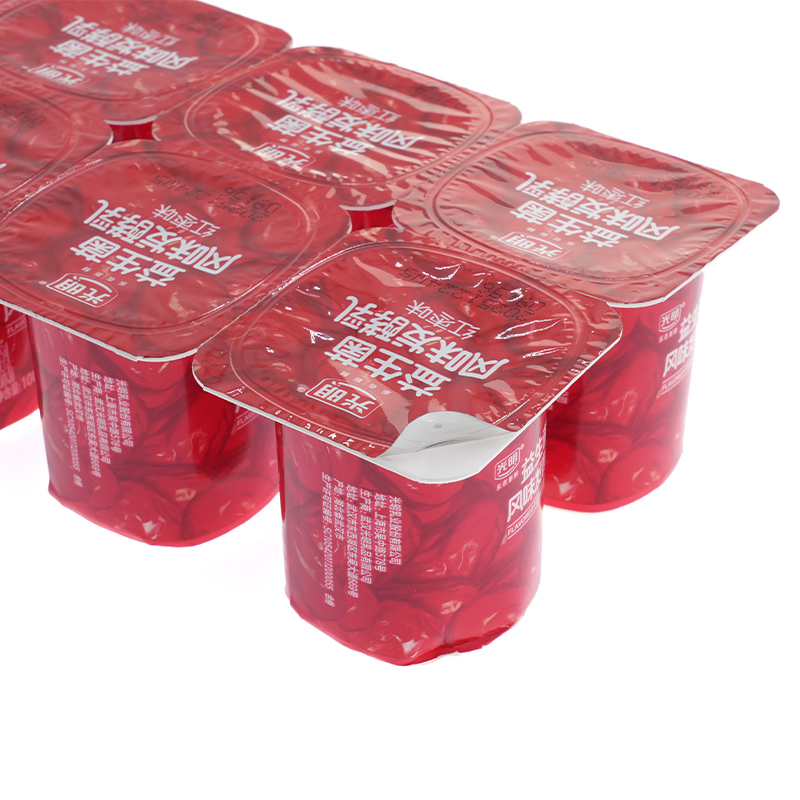
Lidding films are thin, flexible materials designed to seal containers, trays, cups, and other rigid or semi-rigid packaging formats. They create a protective barrier that preserves the contents inside while providing convenient opening features for consumers.
Modern lidding films are engineered multi-layer structures, typically combining:
A sealant layer that bonds securely to the container material
A barrier layer that protects against oxygen, moisture, light, or aromas
A printable outer layer that displays branding, product information, and graphics
Functional coatings that enable specific opening characteristics (peelable, resealable, etc.)
Why Lidding Films Matter for Your Product
| Benefit | Impact on Your Product |
|---|---|
| Product Protection | Creates an effective barrier against contaminants, oxygen, and moisture |
| Shelf Life Extension | Preserves freshness and prevents spoilage, reducing waste |
| Tamper Evidence | Provides visible proof of intact packaging, building consumer trust |
| Convenience | Enables easy opening and, in some cases, resealing for repeated use |
| Branding Opportunity | Offers a printable surface for high-quality graphics and messaging |
| Cost Efficiency | Lightweight design reduces material usage and shipping costs |
Key Applications of Lidding Films
Lidding films serve critical functions across numerous industries. Understanding these applications helps you identify the specific requirements for your product.
Food and Beverage Packaging
The food industry is the largest user of lidding films, with applications including:
| Application | Typical Requirements |
|---|---|
| Fresh Produce | Moderate oxygen barrier, condensation resistance |
| Dairy Products | High moisture barrier, peelable seals for easy opening |
| Ready Meals | Heat resistance for retort or microwave, strong seals |
| Snack Foods | Aroma barrier, resealable options for freshness |
| Meat and Seafood | High oxygen barrier, vacuum or modified atmosphere compatibility |
| Beverage Cups | Liquid-tight seals, puncture resistance from straws |
Medical and Pharmaceutical Packaging
In healthcare applications, lidding films must meet stringent requirements:
Sterile barrier properties for medical devices
Compatibility with sterilization methods (ethylene oxide, gamma radiation, steam)
Clean peel characteristics without fiber tear or particle generation
Tamper-evident features for patient safety
Compliance with regulatory standards for medical packaging
Industrial and Chemical Packaging
For industrial applications, lidding films provide:
Chemical resistance for aggressive substances
Robust seals for heavy or abrasive contents
Moisture protection for sensitive materials
Child-resistant or senior-friendly opening options where required
Consumer Goods and Personal Care
In retail packaging, lidding films contribute to:
Premium appearance through high-quality printing
Convenient dispensing for wipes, creams, and powders
Resealable features for products used over time
Brand differentiation through unique opening experiences
Types of Lidding Films and Their Characteristics
Selecting the right lidding films requires understanding the available options and their performance characteristics.
By Sealant Material
The sealant layer must match your container material for a secure bond:
| Sealant Material | Compatible Containers | Key Properties |
|---|---|---|
| PE (Polyethylene) | PE containers, paperboard | Good general-purpose seal, cost-effective |
| PP (Polypropylene) | PP containers | Heat resistance for hot-fill or retort |
| PET (Polyester) | PET containers, APET trays | High clarity, good barrier properties |
| PS (Polystyrene) | PS containers, foam trays | Used for dairy and fresh food applications |
| EVA (Ethylene Vinyl Acetate) | Various | Lower sealing temperature, good for sensitive products |
By Opening Mechanism
The way consumers open your package significantly impacts their experience:
Peelable Lidding Films
Designed to peel away cleanly without tearing
Available in different peel strength levels:
Easy peel: For elderly or children (typical peel force 3-8 N/15mm)
Standard peel: General-purpose applications (8-15 N/15mm)
Controlled peel: Consistent opening every time
May leave minimal or no residue on the container
Resealable Lidding Films
Incorporate pressure-sensitive adhesive technology
Allow multiple openings and closings
Ideal for products used over time (snacks, wipes)
Maintain freshness between uses
Frangible or Burst-Open Films
Designed to rupture under pressure
Used for single-dose applications (condiment cups)
Provides tamper evidence
Heat-Seal Only Films
Require cutting or tearing to open
Used for industrial applications or where resealing isn't needed
Maximum seal integrity
By Barrier Properties
The barrier performance of lidding films directly affects product shelf life:
| Barrier Level | Typical Materials | Applications | Shelf Life |
|---|---|---|---|
| Low Barrier | Mono-layer PE or PP | Short-term, dry products | Days to weeks |
| Medium Barrier | Coated films, multi-layer structures | Fresh foods, dairy | Weeks to months |
| High Barrier | Metallized films, foil laminates | Oxygen-sensitive products, meat, coffee | Months to years |
| Ultra-High Barrier | Aluminum foil, ceramic coatings | Long-term storage, medical | 12+ months |
Specialized Lidding Film Types
Prevent condensation on the inner surface
Essential for refrigerated products where visibility matters
Available in both permanent and temporary anti-fog coatings
Microwaveable Lidding Films
Allow venting during heating
May include controlled steam release features
Compatible with microwave temperatures
Withstand high-temperature sterilization processes
Used for shelf-stable ready meals and baby food
Maintain seal integrity through thermal processing
Accept high-quality gravure or digital printing
Matte, gloss, or textured finishes available
May include cold-seal release coatings for high-speed packaging
How to Select the Right Lidding Films for Your Product
Choosing optimal lidding films requires systematic evaluation of multiple factors.
Step 1: Define Your Product Requirements
Start by answering these essential questions:
| Question | Why It Matters |
|---|---|
| What is your product? | Different products have different compatibility requirements |
| What is your container material? | Sealant must match container for secure bonding |
| What is your filling temperature? | Affects heat resistance requirements |
| What shelf life do you need? | Determines barrier level needed |
| How will consumers open the package? | Guides peel strength and opening mechanism |
| Will the package be reheated? | May require microwave compatibility |
| What are your storage conditions? | Refrigerated, frozen, or ambient |
Step 2: Match Lidding Film to Container
Proper sealing requires compatibility between the lidding film's sealant layer and the container material. The general rule: like seals to like. Polypropylene containers pair best with PP-based sealants, while PET containers work with PET-based films.
For mixed-material containers or special requirements, consult with your packaging supplier about tie layers or specialized adhesives that can bond dissimilar materials.
Step 3: Determine Required Barrier Performance
Calculate the barrier needed based on:
Product sensitivity to oxygen, moisture, and light
Desired shelf life
Storage conditions
Distribution environment
For oxygen-sensitive products (meat, coffee, nuts), high-barrier lidding films with metallization or foil are typically required. For products with moderate sensitivity, coated films or multi-layer structures may suffice.
Step 4: Select Opening Characteristics
Consider your end-user when choosing peel strength:
| User Type | Recommended Peel Force |
|---|---|
| Elderly or children | 3-8 N/15mm (easy peel) |
| General consumers | 8-15 N/15mm (standard peel) |
| Industrial users | 15-25 N/15mm (secure peel) |
| Tamper-evident applications | Above 15 N/15mm |
For products used over multiple sessions, consider resealable lidding films that allow consumers to open and close the package repeatedly.
Step 5: Consider Processing Conditions
Your filling and sealing equipment imposes requirements on lidding films:
Sealing temperature range: Ensure your film seals effectively within your equipment's capabilities
Sealing time: Faster lines may need films with wider sealing windows
Pressure requirements: Some films need higher sealing pressure for optimal bonds
Cutting and registration: Printed films require precise registration for accurate placement
Step 6: Evaluate Regulatory Compliance
Depending on your industry and markets, lidding films must comply with relevant regulations:
| Market | Food Contact Regulations | Medical Packaging Standards |
|---|---|---|
| United States | FDA 21 CFR | USP, ISO 11607 |
| European Union | EU Regulation 10/2011 | EN 868 series |
| China | GB 9685 series | GB/T 19633 |
| Global | Various national requirements | ISO 11607 |
Always verify that your chosen lidding films have appropriate certifications for your target markets.
Common Problems and Solutions with Lidding Films
| Problem | Likely Cause | Solution |
|---|---|---|
| Poor seal strength | Incompatible sealant and container; incorrect temperature | Verify material compatibility; optimize sealing parameters |
| Inconsistent peeling | Variable seal strength; contaminated sealing area | Check temperature uniformity; ensure clean container rims |
| Film tearing during peeling | Peel strength too high; film too weak | Reduce seal strength; use stronger film construction |
| Leaking packages | Incomplete seals; damaged seal area | Inspect sealing equipment; verify container flange condition |
| Fogging inside package | Condensation in high-moisture products | Use anti-fog lidding films |
| Poor print adhesion | Incompatible inks; insufficient surface treatment | Verify ink/film compatibility; request corona/plasma treatment |
| Wrinkled seals | Excessive material; incorrect film tension | Adjust film feed; check container flange flatness |
Testing and Quality Assurance for Lidding Films
Before committing to full production, conduct thorough testing of your selected lidding films:
Essential Tests
| Test | What It Measures | Typical Method |
|---|---|---|
| Seal Strength | Force required to separate seal | ASTM F88, peel test at 180° or 90° |
| Peelability | Consistency of opening | Subjective evaluation; peel force measurement |
| Burst Strength | Resistance to internal pressure | ASTM F1140, burst test |
| Oxygen Transmission Rate | Barrier effectiveness | ASTM D3985, coulometric sensor |
| Water Vapor Transmission Rate | Moisture barrier | ASTM F1249, infrared sensor |
| Heat Seal Curve | Optimal sealing conditions | Seal at incremental temperatures, measure strength |
| Dimensional Stability | Shrinkage or distortion | Measure before and after heat exposure |
Real-World Validation
Beyond laboratory testing, validate performance under actual conditions:
Fill with real product on production equipment
Simulate distribution (vibration, drop, compression)
Store under expected conditions for the full shelf life
Conduct consumer testing for opening experience
Sustainability Considerations for Lidding Films
As environmental concerns grow, sustainable lidding films are becoming increasingly important.
Options for More Sustainable Lidding Films
| Approach | Description | Considerations |
|---|---|---|
| Source Reduction | Thinner films that use less material | Must maintain performance |
| Recyclable Materials | Mono-material constructions compatible with container recycling | Requires separation or compatible materials |
| Bio-Based Materials | PLA, bio-PE, or other renewable sources | Check composting infrastructure availability |
| Recycled Content | Post-consumer recycled materials in non-food-contact layers | Verify regulatory compliance |
| Compostable Films | Certified compostable constructions | Requires industrial composting facilities |
Design for Recycling
To improve recyclability of your packaged product:
Use lidding films made from the same material family as the container (all-PE or all-PP systems)
Ensure easy separation of film from container after use
Avoid foil or metallized layers if recycling is a priority
Consider water-soluble adhesives that wash away during recycling
Working with Your Lidding Film Supplier
To get the best results, provide your supplier with comprehensive information:
Information to Share
Product details: Type, weight, dimensions, sensitivity
Container specifications: Material, dimensions, flange design
Packaging process: Filling temperature, sealing equipment, line speed
Distribution requirements: Temperature range, duration, handling
Shelf life target: Desired duration and conditions
Opening requirements: Peel strength, resealability, user profile
Regulatory needs: Target markets, food contact, medical compliance
Sustainability goals: Recyclability, recycled content, compostability
Budget parameters: Cost targets, volume projections
Questions to Ask Your Supplier
What standard lidding films do you offer that might work?
Can you provide samples for testing?
What certifications do your films hold?
What customization options are available?
What are your minimum order quantities?
Can you support with equipment setup and optimization?
Frequently Asked Questions About Lidding Films
Peelable lidding films are designed to be removed in one action, exposing the container contents. They may or may not be reattachable. Resealable lidding films incorporate a pressure-sensitive adhesive that allows the film to be removed and reattached multiple times, making them ideal for products used over several sessions.
Consider your end users. Easy-peel films (3-8 N/15mm) are suitable for elderly consumers or children. Standard peel (8-15 N/15mm) works for most general applications. Higher peel strengths (15-25+ N/15mm) provide tamper evidence but may be difficult for some users. Test with your target demographic to confirm.
Yes, specialized microwaveable lidding films are available. These films are designed to withstand microwave temperatures and may include controlled venting features to release steam during heating. Always verify microwave compatibility with your specific product and heating instructions.
Inconsistent peeling can result from several factors: variable seal strength across the container flange, contamination on the sealing surface, uneven temperature distribution on sealing equipment, or variations in film thickness. Systematic troubleshooting of your sealing process usually identifies the root cause.
Recyclability depends on the film construction and local recycling capabilities. Mono-material lidding films (all-PE or all-PP) have better recyclability potential than multi-material structures. However, the film must be separated from the container for recycling, which may not happen in practice. Check with local recycling programs for specific guidance.
Anti-fog lidding films contain surface-active additives that reduce the surface tension of water droplets, causing them to spread into a continuous, transparent layer rather than forming discrete foggy droplets. This maintains product visibility in refrigerated displays.
For food contact, look for compliance with relevant regulations: FDA 21 CFR in the US, EU Regulation 10/2011 in Europe, or GB 9685 in China. Many suppliers provide declarations of compliance or positive lists of compliant materials. For organic products, additional certifications may be required.
Yes, most lidding films can be printed with high-quality graphics using rotogravure or flexographic printing. Digital printing is also available for shorter runs. Ensure your supplier understands your design requirements and can achieve the desired color accuracy and registration.
Proper film tension, correct sealing temperature, and clean container flanges are essential. Ensure your sealing equipment is properly calibrated and that containers are free from dust, moisture, or product residue. Testing with your specific film-container combination under production conditions helps identify optimal settings.
Lead times vary based on complexity. Standard lidding films may ship within days or weeks. Custom-printed films typically require 4-8 weeks for design approval, cylinder engraving (for rotogravure), and production. Digital printing offers faster turnaround for smaller quantities.
Conclusion: Making the Right Choice for Your Packaging
Selecting the optimal lidding films requires balancing multiple factors: product protection, consumer convenience, processing efficiency, regulatory compliance, and sustainability goals. By systematically evaluating your requirements and working closely with an experienced supplier, you can find solutions that enhance your product's market performance while meeting operational and environmental objectives.
Remember that the best lidding films are those that:
Form reliable, consistent seals with your containers
Provide adequate barrier protection for your product's shelf life
Deliver the opening experience your customers expect
Run efficiently on your packaging equipment
Meet regulatory requirements for your markets
Align with your sustainability commitments
Ready to explore the right lidding films for your product? Contact Meiji Packagingtoday to discuss your requirements. Our technical team can help you evaluate options, provide samples for testing, and develop customized solutions that meet your specific needs.