



The Complete Guide to Choosing the Right Pouch Size for Your Product
Selecting the correct pouch size is one of the most critical decisions in product packaging. The right size ensures product protection, cost efficiency, and strong shelf appeal. Whether you need custom flat pouches for a unique product shape, a stand up pouch for retail visibility, or specialized retort pouchand vacuum pouches for extended shelf life, getting the dimensions right is the foundation of success.
This comprehensive guide will walk you through every factor you need to consider—from basic measurements to advanced considerations for automated filling lines—help you make an informed decision that balances functionality, cost, and branding.
Why Pouch Size Matters More Than You Think
Choosing the wrong pouch size can lead to multiple problems:
Oversized pouches waste material, increase shipping costs, and allow excessive air that can damage products
Undersized pouches risk seal failure, product damage, and difficult filling processes
Inconsistent sizing creates problems on automated packaging lines and reduces professional appearance
Getting it right from the start saves money, protects your product, and enhances your brand image.
Key Considerations at a Glance
| Factor | Why It Matters | Key Questions to Ask |
|---|---|---|
| Product Dimensions | Foundation for all sizing decisions | What are exact height, width, depth? |
| Fill Method | Determines needed headspace and opening size | Manual or automated filling? |
| Pouch Style | Different styles (flat vs. stand up) have different capacity calculations | Will product sit on shelf or hang? |
| Barrier Requirements | Affects material thickness and seal area needs | Does product need retort pouch or vacuum pouches protection? |
| Sealing Requirements | Proper seal width ensures package integrity | How much top space for strong seals? |
| Shelf Display | Visual impact and branding considerations | How will pouch appear next to competitors? |
1. Start with Your Product's Physical Characteristics
Measure Accurately
Before selecting any flat pouch packaging, you must know your product's exact dimensions:
Length, width, and height of solid products
Volume for liquids, powders, or granular items
Weight, which influences material gauge requirements
For custom flat pouches, remember that solid products need slight clearance (typically 3-5mm) around all sides to allow for easy insertion without stressing seals.
Account for Product Behavior
Different products behave differently inside packaging:
Powders and granules settle during transport—allow extra headspace
Liquids require careful consideration of hydrostatic pressure on seals
Irregular shapes may need custom flat pouches with specific gusset designs
Sharp or abrasive items need thicker materials and reinforced corners
2. Match Pouch Style to Product Needs
Flat Pouches vs. Stand Up Pouches
| Feature | Flat Pouches | Stand Up Pouches |
|---|---|---|
| Best For | Thin products, multi-packs, inserts | Retail display, shelf presence |
| Capacity | Limited by flat design | Enhanced by bottom gusset |
| Material Usage | Minimal, cost-effective | More material, higher impact |
| Filling Speed | Fast on automated lines | Slightly slower due to gusset formation |
| Shelf Space | Hangs or lies flat | Stands upright, maximizes visibility |
Flat pouch packaging is ideal for documents, textiles, thin food items, or as an outer sleeve. Stand up pouches excel for snacks, coffee, pet food, and any product that benefits from vertical shelf presentation.
Specialized Pouch Types
Retort Pouches: If your product requires heat sterilization (like ready meals or soups), you need retort pouches. These require:
Extra material thickness to withstand high temperatures
Wider seal areas for absolute integrity
Specific size considerations for even heat penetration
Vacuum Pouches: For products needing oxygen removal (meats, cheeses, coffee), vacuum pouches demand:
Minimal headspace for effective vacuum
Stronger materials to resist puncture from bones or edges
Seal widths that maintain integrity under vacuum pressure
3. Calculate Required Dimensions Step by Step
For Flat Pouches
For custom flat pouches, the basic calculation is:
Pouch Width = Product Width + (2 × Side Clearance) + (2 × Seal Width)
Pouch Length = Product Height + Top Seal Width + Bottom Seal Width + Headspace
Standard seal widths range from 5-10mm depending on material and application
For Stand Up Pouches
Stand up pouch dimensions are more complex due to the bottom gusset:
Pouch Width = Product Width + Side Clearance + (2 × Side Seal Width)
Pouch Length = Product Height + Bottom Gusset Depth + Top Seal Width + Headspace
The bottom gusset depth typically equals 50-70% of the final pouch height for stability.
Headspace Considerations
Always include adequate headspace (empty space above the product):
For solids: 5-10% of product height
For powders: 15-20% to allow settling
For liquids: 10-15% to prevent seal stress
For vacuum pouches: Minimal headspace (2-5%) for effective evacuation
4. Match Size to Filling Method
Manual Filling
For hand-filling operations, you have more flexibility but should still:
Ensure opening is wide enough for easy product insertion
Allow extra headspace for operator handling
Consider ergonomics—oversized pouches are harder to handle
Automated Filling
When using automated equipment, precision is critical:
Custom flat pouches must match machine specifications exactly
Stand up pouches need consistent gusset formation for pick-and-place systems
Retort pouches and vacuum pouches require precise size control for consistent processing
Always request machine specifications from your equipment manufacturer and share them with your packaging supplier.
5. Consider Secondary Packaging and Logistics
Case Packing Efficiency
Your primary pouch size affects how many units fit in a shipping case:
Calculate optimal pouch dimensions for standard case sizes
Consider pallet utilization for bulk shipments
Allow for case dividers if needed for protection
Transportation and Storage
Larger flat pouch packaging may:
Require stronger outer cartons
Need different pallet configurations
Impact warehousing space requirements
6. Balance Size with Material Selection
Material Gauge and Pouch Size
Larger pouches generally require thicker materials:
Small pouches (under 500ml): 70-90 micron films often sufficient
Medium pouches (500ml-2L): 90-120 micron films recommended
Large pouches (over 2L): 120+ micron films for strength
For retort pouches, add 20-30% to standard gauge recommendations due to heat processing stress.
Barrier Requirements by Size
Larger pouches have more surface area for potential oxygen transmission:
Calculate total oxygen transmission based on surface area
Adjust barrier layer thickness for larger formats
Consider metallized or foil barriers for long shelf life in large sizes
7. Test Before Committing
Sample Testing Protocol
Before finalizing any custom flat pouches or stand up pouch designs:
Create prototypes at your selected dimensions
Fill with actual product under real conditions
Test seals for strength and integrity
Simulate transport (vibration, drop tests)
Evaluate on shelf for visual appeal
Check on filling line for compatibility
Common Size Problems to Watch For
| Problem | Cause | Solution |
|---|---|---|
| Bulging sides | Insufficient width for product thickness | Add 2-3mm width |
| Wrinkled seals | Too much material at seal area | Reduce headspace or adjust fill |
| Tearing at corners | Stress concentration | Add radius corners or reinforce |
| Poor vacuum | Excessive headspace | Reduce pouch length |
| Machine jams | Inconsistent dimensions | Tighten size tolerances |
8. Work with Your Packaging Partner
Information to Share with Your Manufacturer
To get the perfect custom flat pouches or specialized retort pouches, provide:
Product details: Full dimensions, weight, physical characteristics
Fill method: Manual or automated (with machine specs if automated)
Production volume: Affects tooling and MOQ considerations
Shelf life requirements: Influences barrier needs
Distribution environment: Temperature ranges, handling conditions
Budget constraints: Helps balance size and material options
Questions to Ask Your Supplier
What standard sizes do you offer that might work?
What's the minimum order quantity for custom sizes?
How do you calculate gusset dimensions for stand up pouches?
Can you recommend size adjustments for better machine performance?
What size ranges work best for vacuum pouches?
Frequently Asked Questions
Flat pouches have a simple two-dimensional calculation based on product width and length. Stand up pouches require three-dimensional thinking—you must account for the bottom gusset that creates the standing base. The gusset depth typically adds 30-50% to the overall pouch length compared to a flat pouch holding the same volume.
For powders and granular products, allow 15-20% additional headspace above the filled product height. This accommodates settling during transport and ensures the pouch doesn't bulge or stress seals. The exact amount depends on your specific product's settling characteristics—test with actual product to confirm.
Generally, no. Vacuum pouches require tighter dimensions with minimal headspace to allow proper air evacuation. If you use a standard pouch size for vacuum applications, you'll have excess material that wrinkles and may prevent complete vacuum sealing. Always specify that pouches will be used for vacuum when ordering.
Retort pouches need additional considerations beyond standard sizing. Allow extra material for expansion during heating, ensure seal widths are at least 10mm for security, and verify that the pouch dimensions allow even heat penetration to all parts of the product. Work closely with your supplier and retort equipment manufacturer.
This varies by manufacturer and printing method. Digital printing allows smaller runs (often 1,000-5,000 pieces) for custom flat pouches, while rotogravure printing typically requires 10,000-20,000 pieces minimum due to cylinder engraving costs. Meiji Packaging offers both options to accommodate different volume needs.
A good starting point is making the gusset depth 60-70% of the final pouch height. For example, a 200mm tall stand up pouch typically has a 120-140mm bottom gusset. The exact ratio depends on product weight—heavier products need deeper gussets for stability. Your supplier can help optimize this based on your specific product.
When in doubt, round up slightly for width (allows easier filling) but be precise with length (affects material usage and seal quality). A pouch that's slightly too narrow causes constant filling problems, while one that's slightly too long adds minimal material cost but ensures proper sealing.
Conclusion: Getting It Right the First Time
Choosing the right size for your custom flat pouches, stand up pouches, retort pouches, or vacuum pouches is a balance of art and science. Start with accurate product measurements, consider your filling method and display needs, calculate carefully including all necessary allowances, and always test before full production.
Remember that the cheapest pouch is not the one with the lowest unit cost—it's the one that protects your product perfectly, runs efficiently on your line, and presents your brand beautifully. Investing time in proper size selection pays dividends throughout your product's lifecycle.
Ready to find the perfect pouch size for your product? Contact Meiji Packaging today to discuss your requirements. Our experienced team can help you calculate optimal dimensions, recommend appropriate materials, and provide samples for testing.
Please Contact Us!
Recommended Products
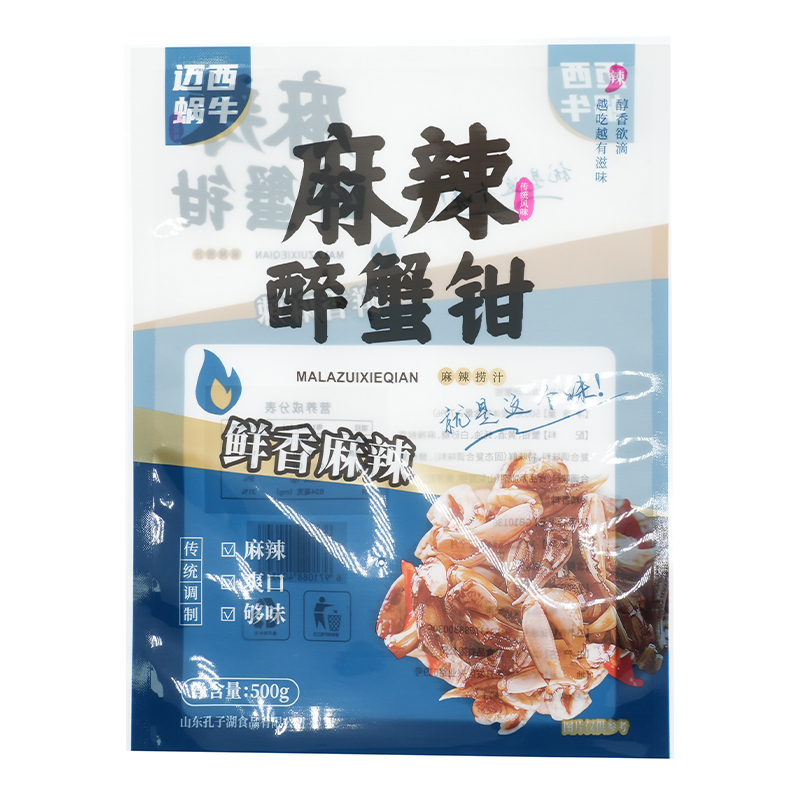
Custom Printed Food Vacuum Packaging Pouches
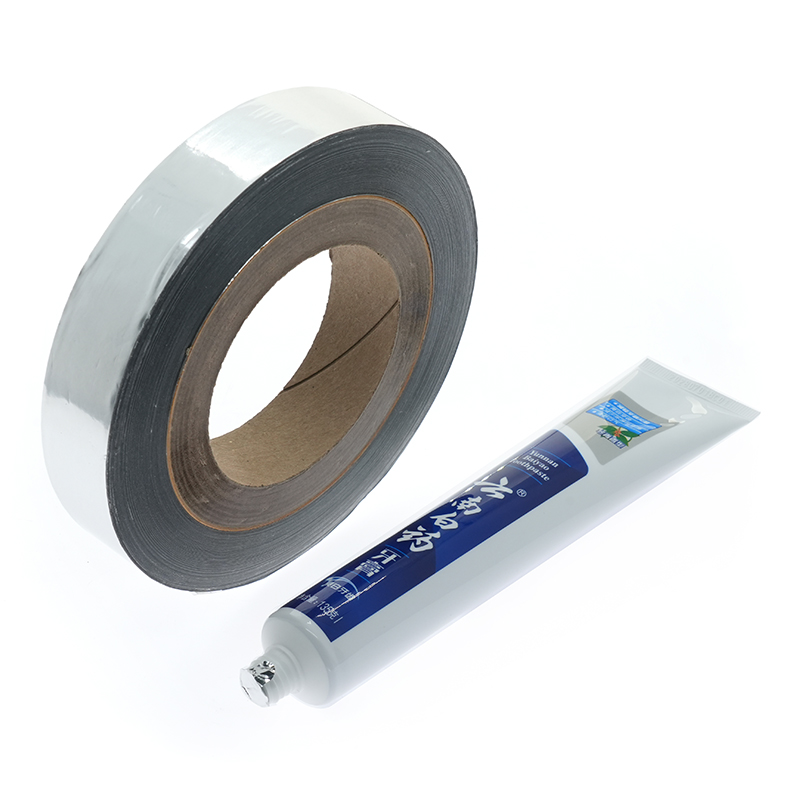
High Barrier Aluminum Foil Easy Peel Film (Toothpaste Tubes)
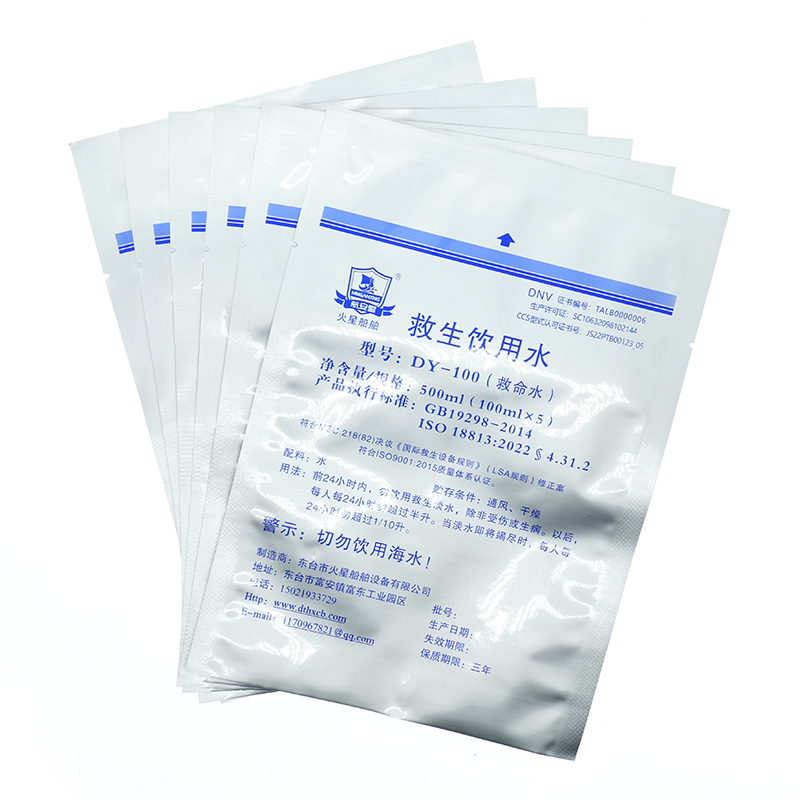
Custom Printed OEM Retort Pouch Solutions
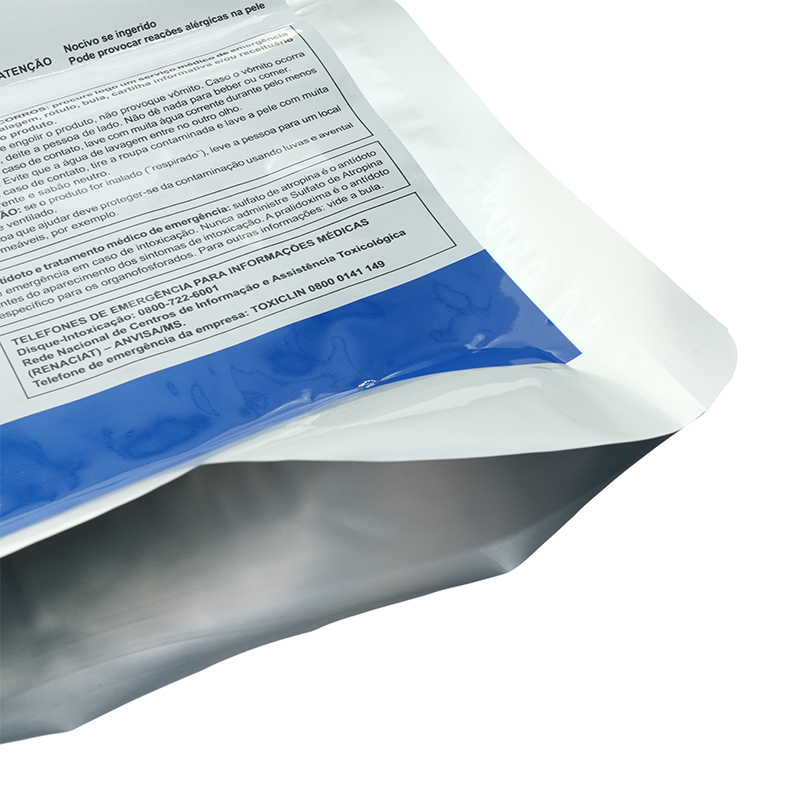
Professional High Barrier Vacuum Foil Bags
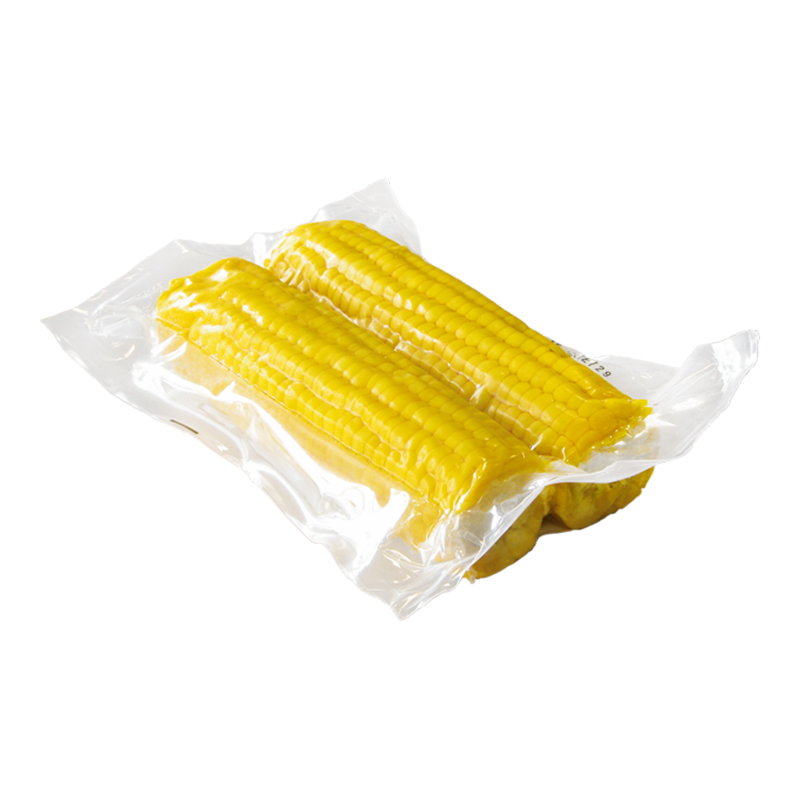
High‑Barrier Retort Pouch for Sweet Corn
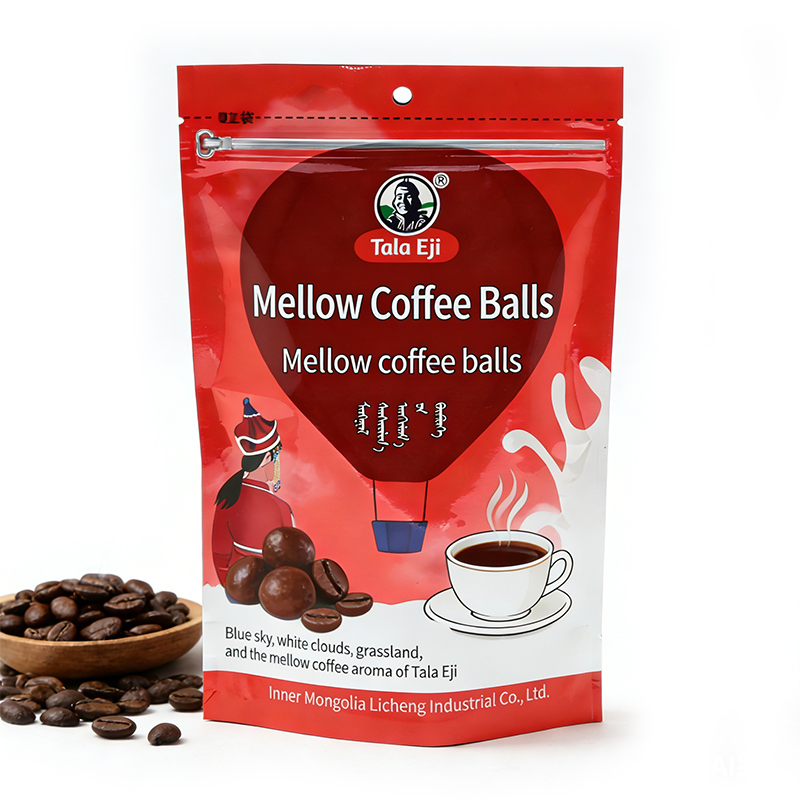
Custom Printed Stand Up Pouch (Doypack)
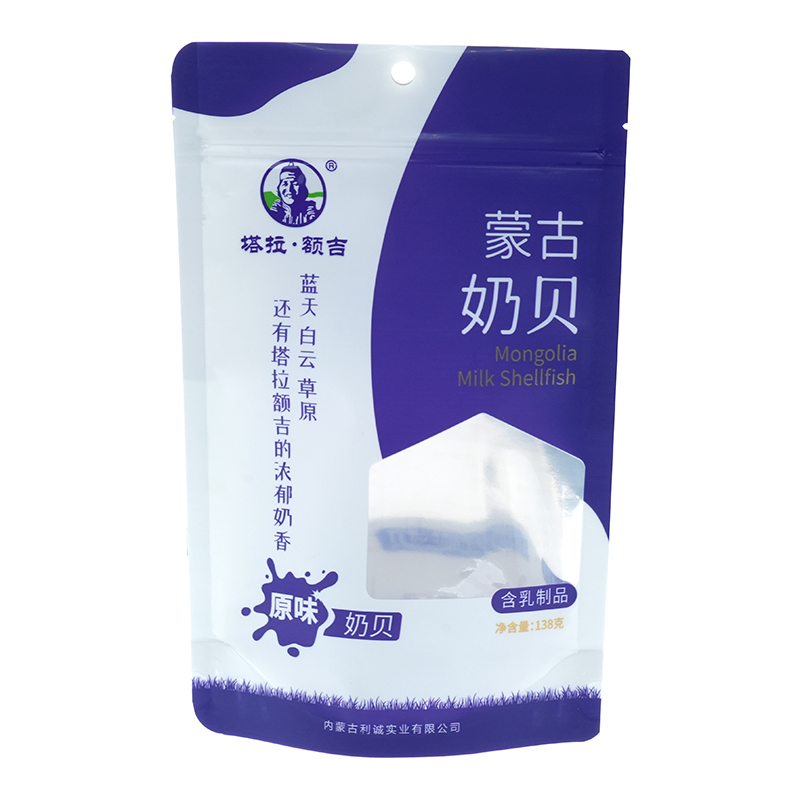
Premium Stand Up Zipper Pouch with Resealable Lock
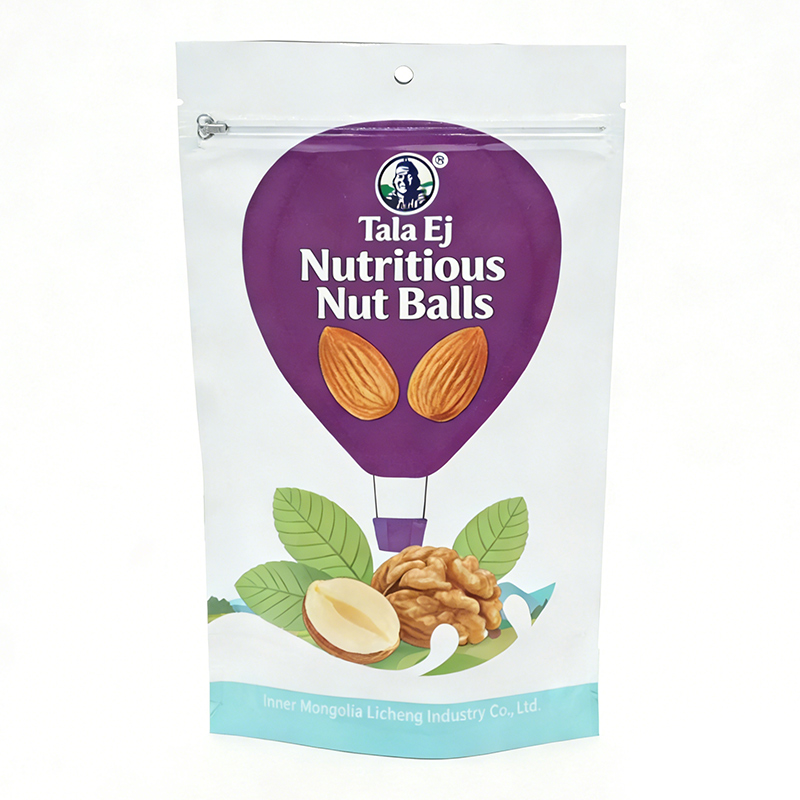
Versatile Stand Up Pouch Solutions: 100g to 5kg Bulk Packaging
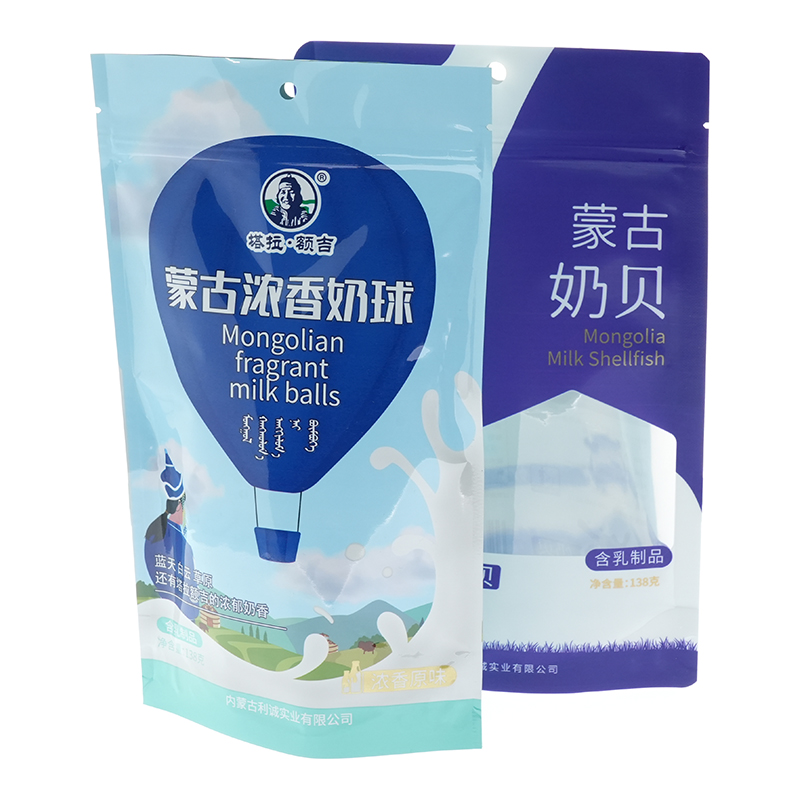
High Barrier Aluminum Foil Stand-up Bag

