



What Are Chip Pouches Made Of? A Deep Dive into Materials, Sustainability, and Smart Custom Solutions

Introduction
Have you ever torn open a bag of chips, listened to the satisfying crinkle, and wondered, "What actually is this material?" You are not alone. That seemingly simple chip bags is a marvel of modern material science. It is not just "plastic"; it is a high-performance shield designed to keep oxygen out, freshness in, and your snack from turning into a pile of stale crumbs.
For snack brands, choosing the right snack packaging pouch is a critical business decision. It impacts shelf life, shipping costs, brand perception, and environmental footprint. But with terms like "metallized film," "BOPP," and "mono-material" flying around, understanding your options can feel overwhelming.
At Meiji Packaging, we believe in transparency. As a vertically integrated manufacturer (we blow our own film to print the final pouch), we don’t just sell packaging—we engineer solutions. In this guide, we will strip back the layers (literally) to explore exactly what goes into a modern chip bags, compare sustainable alternatives, and show you how custom solutions can elevate your brand without breaking the bank.
Key Takeaways
| Topic | Key Insight |
|---|---|
| Core Materials | Most chip pouches use multi-layer lamination (BOPP/PET + Metallized film + PE) to block oxygen and moisture. |
| Primary Function | The number one job of a chips packaging pouch is to provide a high oxygen barrier to prevent rancidity. |
| Sustainability Shift | Traditional chip bags are hard to recycle, but mono-material PE and compostable structures are now viable. |
| Custom Advantage | 10-color rotogravure printing allows for photo-realistic branding that builds shelf impact. |
| Cost Efficiency | Vertical integration (blowing your own film) reduces raw material costs and lead times. |
| Manufacturing | The "pillow pouch" style is the most common for chips due to its high-speed filling capability. |

Chapter 1: The Anatomy of a Chip Pouch – What Are The Layers?
When you hold a typical chip bags, you are holding a sandwich of different plastics and sometimes aluminum. This is called lamination. No single material can do it all: one layer provides strength, another provides sealing, and a third provides the barrier.
Here is the breakdown of a standard high-performance chips packaging pouch:
1. The Outer Layer (The Showman)
Material: Polyester (PET) or Biaxially Oriented Polypropylene (BOPP).
Job: This is your billboard. It must be rigid enough to run through printing presses without stretching. It provides scuff resistance during shipping.
Meiji Edge: We use 10-color rotogravure printing on this layer, ensuring your logo pops with high-definition gloss or matte finishes.
2. The Middle Layer (The Guardian)
Material: Metallized film (aluminum vapor deposited on plastic) or EVOH (Ethylene Vinyl Alcohol).
Job: This is the "secret sauce." Chips go stale when they meet oxygen or light. This layer reduces Oxygen Transmission Rate (OTR) to near zero.
Data Point: A standard metallized chip pouch has an OTR of < 2 cc/m²/day, keeping chips fresh for 6-12 months.
3. The Inner Layer (The Closer)
Material: Polyethylene (PE) or Cast Polypropylene (CPP).
Job: This layer melts and fuses to itself when heat is applied (heat seal). It also contacts the food, so it must be food-grade and grease-proof so you don't get oily fingerprints on the outside.
| Layer | Primary Material | Function | Strength |
|---|---|---|---|
| Outer | PET / BOPP | Printing & Strength | High clarity, puncture resistance |
| Middle | Metallized / EVOH | Gas & Light Barrier | Blocks UV rays & oxygen |
| Inner | PE / CPP | Sealability & Grease proof | Airtight closure, flexible |
Chapter 2: The Sustainability Question – Are Chip Pouches Recyclable?
This is the #1 question we hear from brands. The honest answer: Traditional chip bags are not recyclable in standard curbside bins. Why? Because the metallized layer bonds plastic to aluminum, which recycling facilities cannot easily separate.
However, the industry is changing rapidly. At Meiji Packaging, we offer two distinct sustainable paths for your chips packaging pouch:
Option A: The Mono-Material Solution (Recyclable)
What it is: A pouch made from 100% Polyethylene (PE). Instead of using aluminum, we use high-barrier coatings on the PE.
Benefit: It is a single plastic. This allows the bag to be recycled in "Store Drop-off" programs (like those for grocery bags).
Performance: We have engineered our mono-PE film to have barrier properties close to standard metallized pouches, suitable for short-to-medium shelf life snacks.
Option B: Compostable Solutions
What it is: Films made from plant-based materials (like cellulose or PLA) certified by TUV.
Caution: These require industrial composting facilities. They are not for "backyard" composting.
Best for: Brands whose consumers are highly eco-conscious and live in areas with industrial compost infrastructure.
Meiji’s Vertical Integration Advantage
Because we blow our own film (starting from resin granules), we can control the exact recipe of the inner seal layer. This allows us to reduce the overall thickness of the bag (source reduction) without losing strength—less plastic used per chip bags is an immediate sustainability win.
Chapter 3: Custom Solutions – Moving Beyond the Generic Bag
Why do your chips deserve a generic, off-the-shelf chips packaging pouch? Customization is no longer just for big multinationals. Here is how Meiji Packaging levels the playing field:
1. Structural Customization (The "Pillow" Style)
Most chips run on vertical form fill seal (VFFS) machines. We engineer the High-Efficiency Pillow-Shaped Flat Vacuum Pouches (even for non-vacuum chips) to run faster on your lines. A tighter seal width means less wasted film and more bags per minute.
2. Aesthetic Customization (The Shelf Scream)
Rotogravure Printing: Unlike digital or flexo printing, gravure uses engraved cylinders. It is more expensive upfront but drastically cheaper at scale, and the color density is unmatched for snack foods.
Finishes: Want a matte finish for a "premium organic" look? Or a high-gloss finish to make the chips look wet and fresh? We do both on the same bag.
3. Functional Features
Laser Scorings: Easy-tear notches that don't compromise the barrier.
Resealable Zippers: We can integrate press-to-close zippers so consumers can save half the bag for later.
Hole Punches: For hanging on retail peg hooks.
Chapter 4: The Manufacturing Process – From Granules to Bag
Understanding how a bag is made helps you understand the cost and quality. Here is the Meiji Packaging workflow (The Source Factory Advantage):
Blown Film Extrusion: We start with raw PE resin. We melt, blow, and cool it into a tube of film. This step allows us to control thickness down to the micron.
Lamination: We bond the outer PET layer to the inner PE layer (with the metallized barrier in between).
Rotogravure Printing: The giant roll of film runs through our 10-color printer. Your design is transferred onto the outer layer.
Slitting & Sealing: The large roll is cut into smaller rolls (slitting) and formed into pouches (or left as rollstock for your machines).
Why this matters to you: Because we do not buy pre-made film from a third party, we eliminate the middleman markup. This factory-direct efficiency makes high-quality chip bags affordable even for smaller craft brands.
FAQ: Your Top Questions About Chip Bags Answered
Q1: What is the best material to keep chips fresh the longest?
A: Metallized Polyester (PET) laminated with PE. The aluminum layer provides the absolute highest barrier against oxygen and light, ensuring a shelf life of over 12 months. For medium-term freshness, EVOH barrier films are a good non-aluminum alternative.
Q2: How do I seal a potato chip bag at home or for testing?
A: For home use, a clip or an impulse sealer works. For commercial production, we recommend VFFS machines with heat-seal jaws. The key is the inner PE layer; we engineer our pouches to have a wide "sealing window" (120°C to 180°C) so it seals perfectly even if your machine fluctuates in temperature.
Q3: Can I print my brand logo on a small batch of bags?
A: Yes. While rotogravure has high cylinder fees, we offer flexible MOQs (Minimum Order Quantities) for custom chips packaging pouch. We help startups by suggesting shared cylinder programs or simpler color counts (2-4 colors) to reduce costs.
Q4: Are your chip bags certified for food contact?
A: Absolutely. Our entire facility is BRCGS and ISO 9001:2015 certified. All materials we use are FDA and EU food-contact compliant, ensuring no chemical migration from the ink or adhesive to your snacks.
Q5: Why does my chip bag feel like foil?
A: That "crinkly" feeling comes from the metallized middle layer. It is not solid aluminum foil (which would puncture easily), but a thin layer of aluminum vapor fused to the plastic. It gives the bag that premium, crisp sound and blocks 99% of UV light.
Conclusion: Partnering with Meiji Packaging
The world of chip bags is complex, but your solution doesn't have to be. Whether you are looking for a standard chips packaging pouch for a local farmer's market, or a custom, sustainable, high-speed pillow pouch for national distribution, the principles remain the same: strong barrier, tight seals, and stunning print.
At Meiji Packaging, we do not just supply components; we provide engineering support. Because we are a vertically integrated flexible packaging pouches manufacturer (from blowing our own PE film to the final printed roll), we can solve problems that other converters cannot—like reducing film thickness to save you money or engineering a seal layer that works with your specific machine.
Ready to upgrade your snack packaging? Visit us at Meiji Packaging to request a quote or a free sample. Let’s build a better bag together.
Please Contact Us!
Recommended Products
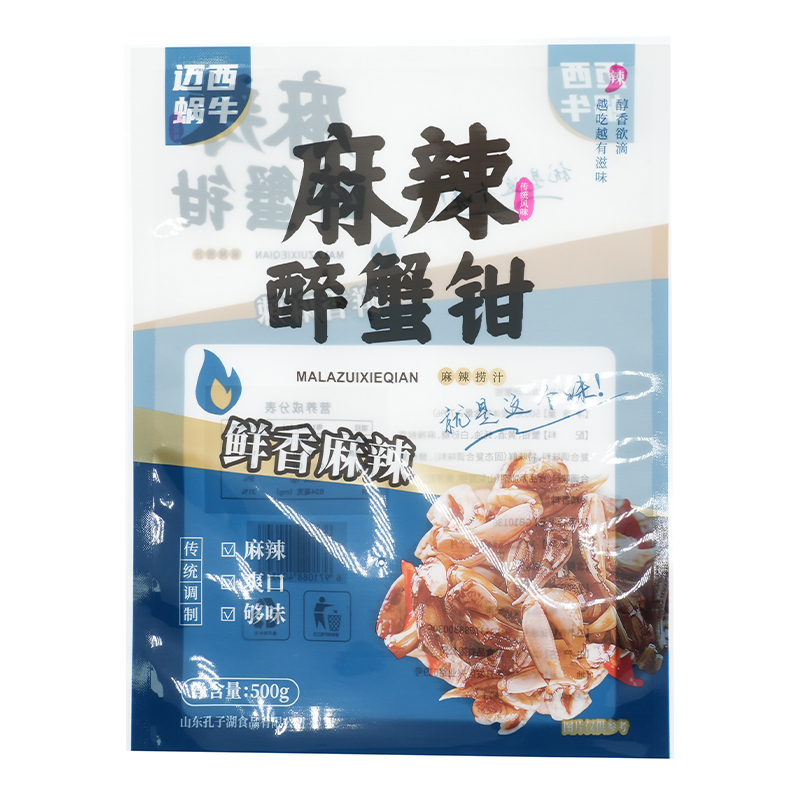
Custom Printed Food Vacuum Packaging Pouches
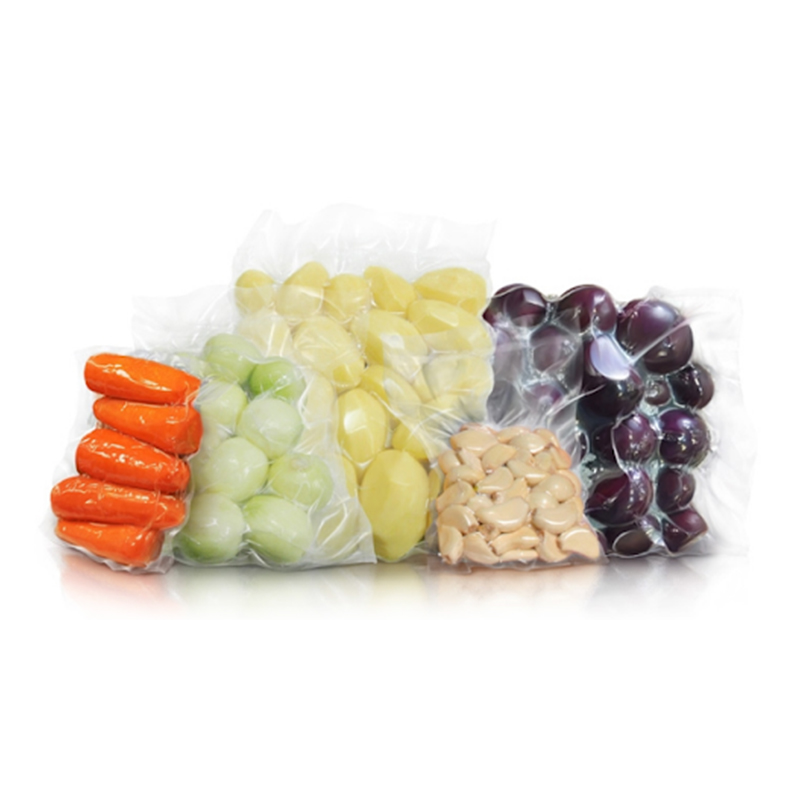
High-Barrier Recyclable & Eco-Friendly Vacuum Seal Pouches
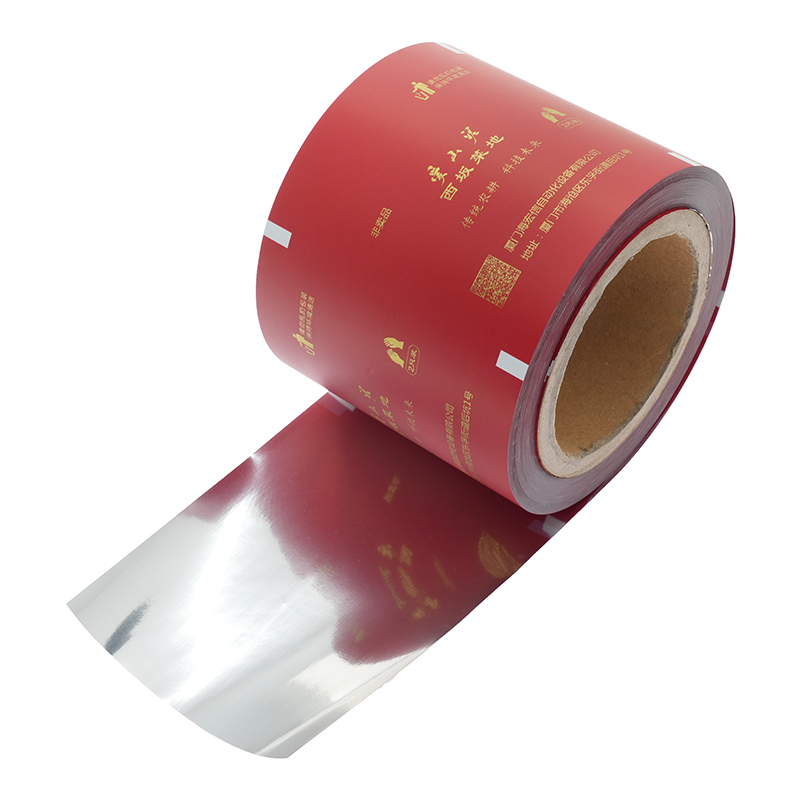
Custom Printed Rollstock Film (VFFS & HFFS)
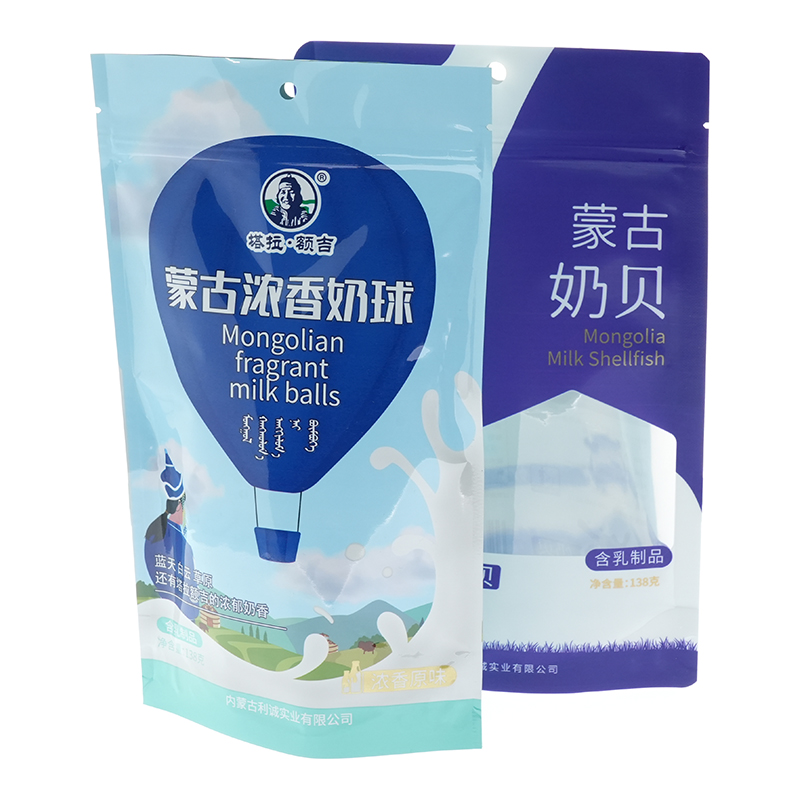
High Barrier Aluminum Foil Stand-up Bag
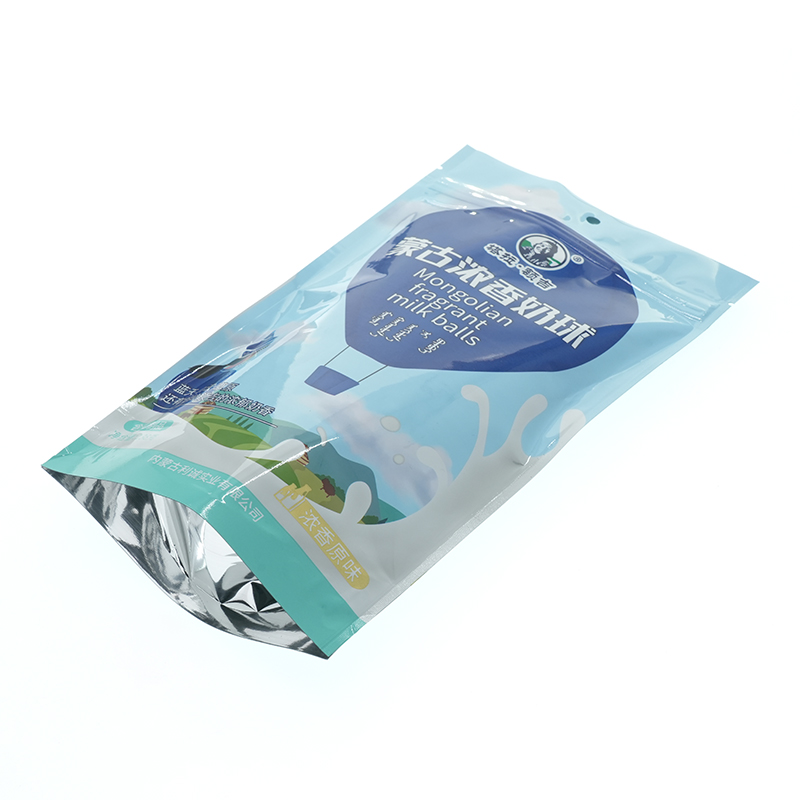
Custom Printed Stand Up Food Packaging Pouches (Soup & Snack Series)
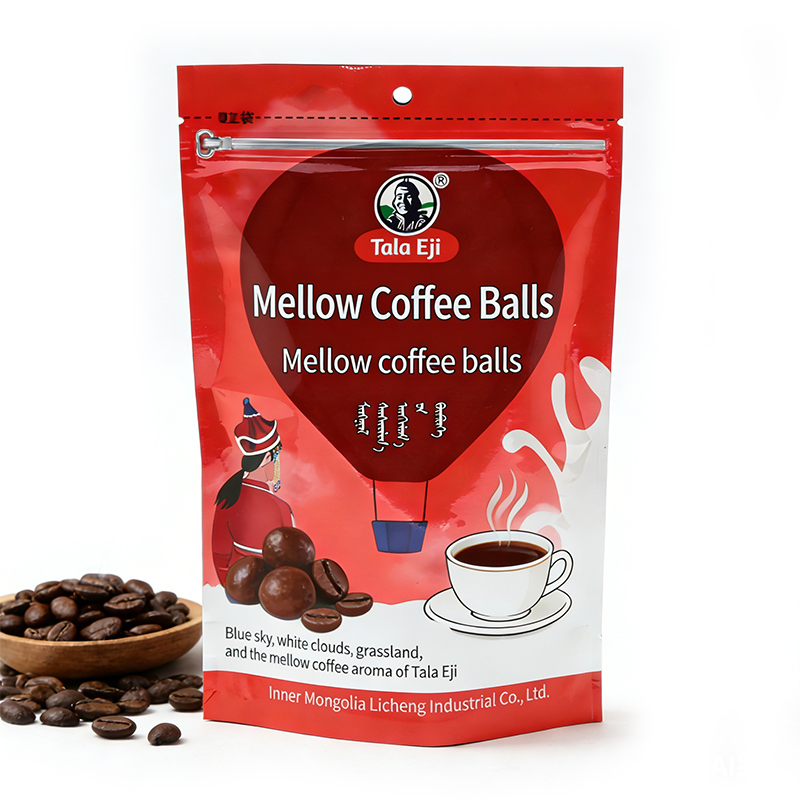
Custom Printed Stand Up Pouch (Doypack)
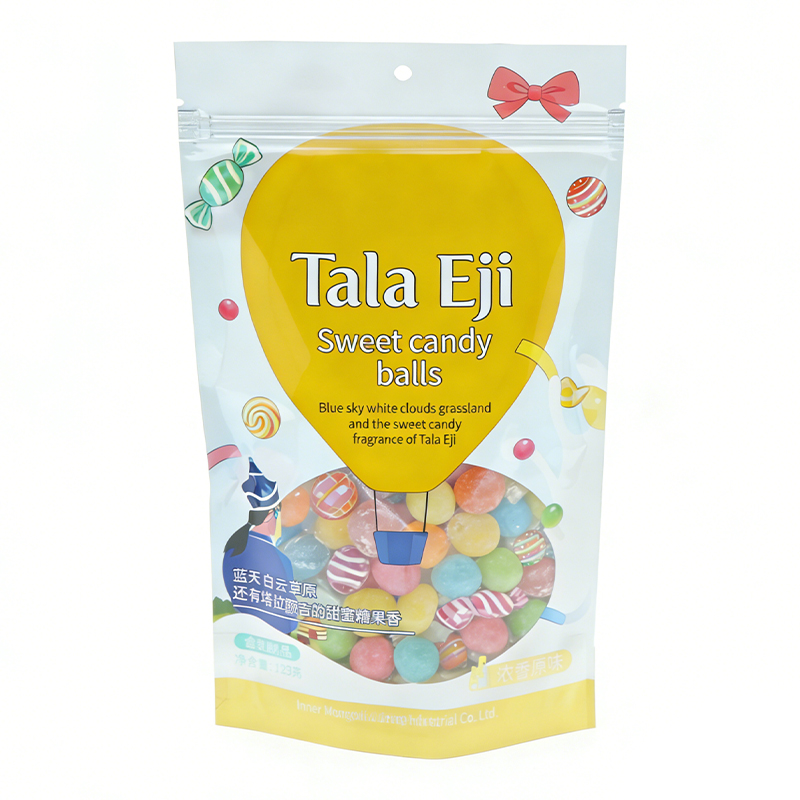
Recyclable & Biodegradable Stand Up Pouches
Recent News
1.Why Choose Stand-Up Pouches for Flexible Packaging in 2026
2026-04-012.What Is Lidding Film? The Complete Guide to Types, Uses & How to Choose
2026-03-253.What is the difference between stand up pouch and flat pouch?
2026-03-234.Retort Pouch Packaging Explained: Everything You Need to Know for Food & Industrial Use
2026-03-205.What is bag in box packaging
2026-03-196.Key Features Defining Pet Treat Packaging in 2026
2026-03-137.The Complete Guide to Choosing the Right Pouch Size for Your Product
2026-01-15

