



Bag-in-Box Makes Bulk Packaging Cheaper and Easier
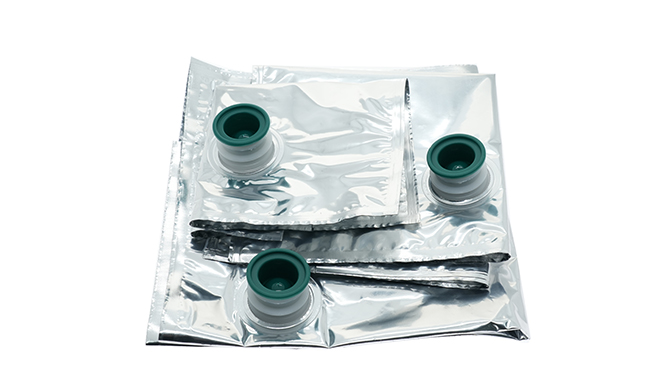
If you’re looking for an easier way to handle large products, bag-in-box packaging is the smart solution. Bag-in-box packaging streamlines your workflow and reduces costs. With rising prices for materials, manufacturing, and shipping, plus changes in labor, waste, and shelf life impacting your profits, bag-in-box packaging addresses these challenges. Meiji Packaging utilizes durable films and secure tap systems in its bag-in-box solutions, helping your business prevent leaks and product loss.
Here’s a quick overview of the main cost factors you face:
Cost Factor | Description |
|---|---|
Materials | Prices for paper, plastic, and aluminum continue to rise. |
Manufacturing | Labor and energy costs are increasing, making production more expensive. |
Shipping | Transporting products takes up a significant portion of your budget. |
Labor | Higher wages make it harder to maintain profit margins. |
Waste | Ineffective packaging leads to more waste and environmental impact. |
Shelf Life | Quality packaging keeps your product fresh longer and attracts more buyers. |
You’ll discover real examples of how bag-in-box packaging delivers results across various industries.
Key Takeaways
Bag-in-box packaging costs less because it uses less material. This makes it cheaper than other packaging. This packaging keeps products fresh for a longer time. It also helps cut down on waste. Bag-in-box is light, so it is easy to ship and move. This means shipping costs are lower. The design helps store and pour products easily. It saves space in warehouses. Picking bag-in-box packaging helps the environment. It uses materials that can be recycled and cuts down on plastic waste.
Bag-in-Box Packaging Cost Comparison
Material Costs
When you look at bag-in-box and regular packaging, bag-in-box is cheaper. Bag-in-box uses less material than glass bottles or hard containers. This helps you spend less money on each package. Meiji Packaging makes films with many layers that keep your liquids safe and fresh. These layers stop light and air from getting in, so your product lasts longer and you waste less.
Here is a quick look at how Meiji Packaging’s features help you save on material costs:
Feature | Benefit |
|---|---|
Vertical Integration | Tailored material specifications eliminate supplier markups, lowering costs. |
Customized Sealing Layers | Ensures 100% leak-proof performance, reducing waste and enhancing efficiency. |
Factory-Direct Efficiency | Directly passes savings from lower raw material costs to customers. |
You also get strong tap systems and fitment choices that make pouring easy. These features help you use less packaging and get more out of every box. Bag-in-box packaging helps you make less waste and reach your sustainability goals.
High-barrier multi-layer films keep products fresh and clean.
Strong tap systems make pouring easier.
Fitment options are made for the best packaging results.
Manufacturing and Filling
Bag-in-box packaging makes manufacturing and filling easier and cheaper. You use less energy and fewer resources for each package. Regular packaging, like glass bottles, needs more work and power because they are heavy and shaped differently. Bag-in-box is lighter and simpler, so you save money on labor and other costs.
Bag-in-box packaging costs less because it uses less material and labor.
Glass bottles cost more to make and fill because they are heavy and hard to handle.
Bag-in-box lets you put more product on each pallet, so you pay less for each liter.
Bag-in-box breaks less often, so you have fewer claims and lower insurance costs.
Meiji Packaging uses bags that seal tightly and strong boxes outside. This keeps your liquids safe and stops leaks or damage. You get more product from each package, so you waste less and save more.
Feature | Benefit |
|---|---|
Hermetically sealed inner bag | Minimizes air exposure and product spoilage |
Protective outer box | Reduces impact and prevents punctures |
Collapsing action of inner bag | Ensures high evacuation rate, minimizing waste |
Leak-proof designs and strong seals make shipping and handling safer. Good valves stop leaks, so you lose less product when filling and shipping. The bag-in-box system lets you send more liquid with less waste.
Shipping and Storage
Shipping and storage can cost a lot of money. Bag-in-box packaging helps you save space and money. The light design makes shipping cheaper and handling easier. You can fit more packages on each pallet, so you need fewer trips.
Benefit | Description |
|---|---|
Reduced packaging weight | Lowers shipping costs and improves efficiency. |
Improved pallet density | Maximizes space utilization during transportation. |
Lower breakage risk | Decreases product loss due to damage in transit. |
You also lose less product because bag-in-box is strong and flexible. The tough box and bag work together to stop leaks and damage. Your liquids arrive safely, so you do not have to deal with returns.
Better use of pallet space
Less chance of breaking
Easier to handle in warehouses
Products may be easier to find on shelves
Bag-in-box packaging gets smaller as you pour out the liquid, which keeps air out and helps your product last longer. This is very good for things like juice and wine. Your products taste better and your customers are happier. Meiji Packaging’s solutions help you save money and support the environment by making less waste and using recyclable materials.
Bag-in-box packaging is great because it costs less for materials and shipping, works well for moving products, and keeps your liquids safe. You save money and your products last longer, so it is a smart choice for your business.
Indirect Savings with Bag in Box Packaging
Labor and Handling
You want your team to work quickly and safely. Bag-in-box packaging helps with this. The boxes are light and easy to carry. You do not need special tools or heavy machines. Workers can move and stack boxes without much effort. This means you spend less time and money on training and injuries.
Bag-in-box packaging makes filling and pouring liquids easy. You use the tap system to pour the right amount. This helps stop spills and messes. Meiji Packaging’s tap options, like the Vitop Tap and Butterfly Valve, let you control every drop. You do not waste product, and your workspace stays clean.
You can fit more bag-in-box units on a pallet. This saves space in your warehouse and makes shipping easier. You do not need to move heavy glass or metal containers. Your team can handle more orders in less time. This leads to better cost efficiency and higher productivity.
Waste and Disposal
You want to make less waste and pay less for disposal. Bag-in-box packaging helps you reach these goals. The system uses up to 80% less plastic than hard containers. You throw away less material, and you pay less for trash removal. The packaging fits easily into recycling streams, so you help the environment and save money.
Here is a quick look at how bag-in-box packaging reduces waste and disposal costs:
Evidence Type | Description |
|---|---|
Plastic Usage Reduction | Bag-in-box systems use up to 80% less plastic compared to rigid containers, leading to lower disposal costs. |
Extended Shelf Life | Airtight design reduces food spoilage, minimizing waste and associated disposal costs. |
Efficient End-of-Life Disposal | Bag-in-box packaging integrates easily into recycling streams, reducing energy costs in disposal processes. |
Meiji Packaging supports your sustainability goals. The company uses recyclable materials and multi-layer films that cut down on waste. You can choose compostable or 100% recyclable options. These choices help you meet new rules about single-use plastics. You show your customers that you care about the planet.
Sustainability certifications promote the use of recyclable materials.
Multi-layer films reduce material usage, enhancing sustainability.
Designed for recyclability with mono-material constructions compatible with container recycling.
Incorporation of bio-based and recycled content aligns with sustainability goals, reducing environmental impact.
You also save space when storing empty bag-in-box packaging. The boxes fold flat, so you need less room in your warehouse. This makes bulk liquid packaging even more efficient.
Shelf Life and Loss Prevention
You want your products to stay fresh and last longer. Bag-in-box packaging gives you that advantage. The airtight seal keeps out air and moisture. This protects your liquids from spoilage and keeps the taste and quality high. You get long-lasting freshness, and your customers get a better product.
Meiji Packaging uses advanced materials to keep your liquids safe. The 6-layer co-extruded polyethylene with an EVOH barrier blocks oxygen. This keeps oxygen transmission below 0.5 cc/m²/day at 23°C, 0% RH. You lose less product to spoilage, and you save money.
Here is how the materials help you:
Material Type | Benefits |
|---|---|
Airtight seals | Prevent treats from becoming stale or soggy. |
Moisture barriers | Keep mold away and maintain freshness. |
Impact-resistant | Prevent leaks and damage during shipping. |
UV-blocking layers | Protect sensitive ingredients from light. |
Flexible foil pouches | Suitable for liquids with active ingredients. |
Paper-based packaging | Good for the environment and dry products. |
You also get a 98% product evacuation rate. This means you use almost every drop of liquid in the bag. You do not throw away good product. You also need 75% less storage space for empty bags. This makes your operation smoother and saves you money.
Aseptic fillers and clean closures keep your liquids sterile. You do not have to worry about contamination. Your products stay safe from the factory to the customer. Bag-in-box packaging gives you cost savings and protects your brand.
Bag-in-box packaging supports your sustainability goals. You use fewer raw materials and create less waste. The U.S. General Services Administration now encourages less single-use plastic. Bag-in-box packaging helps you follow these new rules and show leadership in your industry.
Bag-in-box packaging gives you indirect savings by making work easier, cutting waste, and keeping your products fresh. You get more value from every package, and you help the planet at the same time.
Case Studies and Industry Use
Real-World Cost Examples
You can really see how bag-in-box saves money when you compare it to old packaging. Many companies pick bag-in-box because it helps them spend less. The table below shows ways you can save money and make your work better:
Cost-Saving Aspect | Description |
|---|---|
Lower Transportation and Storage Costs | Bag-in-box is light and small, so you pay less for shipping and need less space. |
Extended Shelf Life for Liquids | Special films keep air out, so liquids stay fresh longer and spoil less. |
Economies of Scale for Bulk Applications | Bigger bag-in-box packages cost less for each unit and make work easier. |
Optimized for Automation | Machines can fill bags fast, so you need fewer workers and make fewer mistakes. |
You pay less for shipping because bag-in-box is lighter and takes up less room. You also get more from each package because the liquid stays good longer. When you use bag-in-box for big amounts, you spend less on workers and waste. These things help your business stay strong.
Adoption in Different Sectors
Bag-in-box packaging is used in many types of businesses. Food and drink companies use it for juice, wine, and sauces. Dairy companies use bag-in-box for milk and cream. Chemical companies use it for things like soap and motor oil. Every business gets these benefits:
You use less material and make less pollution when you ship.
Your liquids stay safe and fresh for a longer time.
Pouring is easy, and you have fewer spills.
Bag-in-box packaging also helps you be more eco-friendly. You use less plastic, which is better for the Earth. Many brands like bag-in-box because you can add your logo or make special designs. You can make your box look cool for holidays or sales. This helps people notice your product and want to buy it.
Trend | Impact on Adoption Rates |
|---|---|
Sustainability Focus | More companies use green materials because customers like it. |
Smart Packaging Integration | Technology makes the package more fun and useful for buyers. |
Customization and Personalization | Special designs help brands stand out and get more buyers. |
Big companies like Coca-Cola and Starbucks use custom bag-in-box packaging to sell more and keep customers coming back. Bag-in-box lets you do the same thing in your business.
Bag-in-box packaging helps you save money, work faster, and show off your brand. You can use it for any liquid and see real savings.
When Traditional Packaging Is Preferable
Limitations of Bag-in-Box
Bag-in-box works for many bulk liquids, but not all. Sometimes, you need to use other packaging. Some liquids and markets need traditional packaging instead. It is important to know when each type is best.
Here is a table that shows when traditional packaging may be better:
Product Type | Reason for Preference |
|---|---|
Carbonated beverages | Best suited for maintaining carbonation and freshness |
Premium spirits | Important for brand equity through design and weight |
Single-serve retail products | Convenient for consumers in supermarkets and convenience stores |
Products needing extended shelf life | Ideal for products that do not require refrigeration |
Drinks like soda or sparkling water need to keep bubbles. Traditional packaging holds pressure better and keeps drinks fizzy. Premium spirits often use glass bottles because they look and feel fancy. If you sell single-serve drinks, small bottles or cans are easy to grab. For products that must last long without a fridge, rigid containers work well.
How much liquid you move also matters. If you need to ship more than 500 pounds, FIBC bags save money and time. For smaller amounts, traditional packaging is a good choice. You also need to think about rules in your industry. Food safety laws can make things cost more. Some markets want eco-friendly packaging. Each business has its own needs.
Bag-in-box can have some problems. The material can get damaged during shipping. Rough handling can cause more holes than hard containers. Lightweight designs for frozen liquids can leak more. Cold-chain reliability depends on how thick the film is. Fast filling lines can have more mistakes. Tap systems need to be checked often, especially in dusty places. Special designs can slow down your supply chain.
Bag-in-box keeps liquid fresh, but rigid containers may last longer for some products.
Bag-in-box protects against air and light, which helps keep liquid good.
Bag-in-box may cost more at first, but you save money later with less material and cheaper shipping.
You should think about your product, your market, and your supply chain before you pick. The right packaging helps you give safe, fresh liquid to your customers every time.
You can tell that bag-in-box packaging makes big products easier to move. It also costs less to ship. The table below shows the main benefits:
Advantage | Description |
|---|---|
Lightweight | Bag-in-box packaging is simple to carry because it weighs less. |
Extended Shelf Life | This packaging keeps products good for a longer time. |
Efficient Storage and Dispensing | It helps you use space better and makes pouring easier. |
Meiji Packaging lets you save money with lighter materials and smart ideas. You help the planet by picking packaging that can be recycled. Many businesses now pick bag-in-box packaging because it saves money and is easy to use. Think about using this kind of packaging for your next big order.
FAQ
What products can you package in a bag-in-box?
You can package many liquids like juice, wine, milk, sauces, and even chemicals. Bag-in-box works well for both food and non-food products. You get safe storage and easy pouring.
How does bag-in-box help you save money?
Bag-in-box uses less material and weighs less than bottles or cans. You pay less for shipping and storage. You also waste less product because the packaging keeps liquids fresh longer.
Is bag-in-box packaging safe for food?
Yes, bag-in-box packaging uses food-grade materials. Meiji Packaging tests every bag for leaks and strength. You can trust that your food stays clean and safe from the factory to the customer.
Can you recycle bag-in-box packaging?
You can recycle most bag-in-box packaging. Meiji Packaging offers recyclable and compostable options. You help the environment by choosing packaging that uses less plastic and fits into recycling programs.

