



The benefits of vacuum sealing for long term food storage
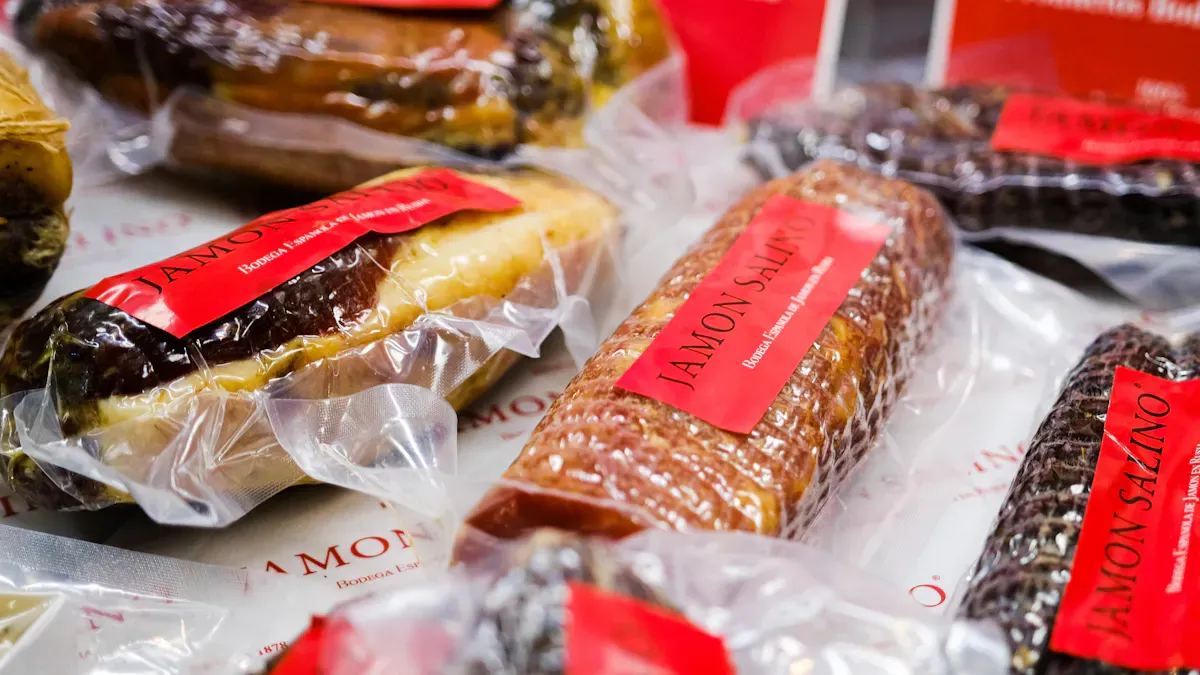
Vacuum sealing is a big help for storing food for a long time. It keeps your food fresh much longer, about three to five times more. This is because vacuum sealing removes oxygen, bacteria, and mold. Your food tastes better, you save money, and you help the planet. You can pick eco-friendly things like Vacuum Seal Pouches.
Key Takeaways
Vacuum sealing makes food last three to five times longer. This helps you save money and waste less food.
Vacuum sealing stops freezer burn. It keeps your food moist and tasty for a longer time.
Pick eco-friendly vacuum seal pouches. These help the environment and keep your food fresh and safe.
What is Vacuum Sealing?
How It Works
Vacuum sealing might sound high-tech, but you can understand it easily. You place your food inside a special bag. The vacuum sealer then removes the air from the bag. This step is important because air contains oxygen, which helps bacteria and mold grow. When you take away the air, you slow down spoilage and keep your food safe.
Here’s what happens during vacuum sealing:
Air Removal: The machine sucks out almost all the air from the bag. This keeps out the oxygen that causes food to go bad.
Sealing: The bag gets heat-sealed. This creates a tight, airtight seal that locks in freshness and nutrients.
Placement in Packaging: You use bags made to block oxygen and moisture. These bags protect your food much better than regular plastic bags.
You don’t need to be a scientist to use a vacuum sealer. The process is simple, and you can do it at home with just a few steps.
Home Applications
You can use vacuum sealing for many foods in your kitchen. Want to keep your cheese fresh? Vacuum seal it. Got extra meat from the store? Seal it and freeze it for later. You can even seal snacks, fruits, and leftovers.
Tip: Try vacuum sealing small portions. This way, you only open what you need, and the rest stays fresh.
Vacuum sealing also works for non-food items. You can protect important papers, jewelry, or even camping gear from moisture. With a vacuum sealer, you get more control over how you store and protect your things.
Benefits of Vacuum Sealing
Shelf Life Extension
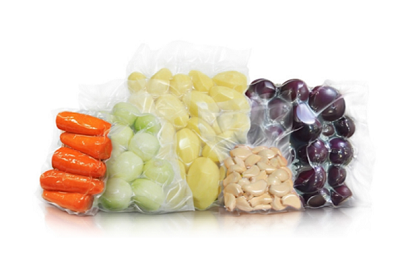
Vacuum sealing makes food last much longer. You can keep food fresh three to five times longer than usual. When you use vacuum packaging, you take out air and block oxygen. This slows down spoilage and keeps food safe. Meat, cheese, fruits, and vegetables can stay good for weeks or months. If you freeze vacuum-sealed food, it can last years and still taste great. You get more time to eat your groceries and waste less.
Food Safety
Vacuum sealing helps protect your food and your family. Here’s how vacuum packaging makes food safer:
You take away oxygen, which many bacteria need to grow. This means less chance of spoilage and contamination.
You slow down bacteria that do not need oxygen, but they grow slower in vacuum-sealed bags.
You follow food safety rules at home, just like businesses do.
You lower the risk of contamination when storing and moving food, especially in the fridge or freezer.
You can trust vacuum packaging to keep your meals healthy and safe.
Taste and Quality
Vacuum sealing keeps the taste and quality of your food. You keep flavors, textures, and nutrients inside. Here’s what happens with vacuum packaging:
You remove air, so germs that need oxygen cannot spoil your food.
You keep moisture inside, so food stays juicy and fresh.
You can freeze fruits and vegetables before vacuum sealing. This helps keep their shape, texture, and vitamins.
Your food tastes like you just bought it, even after weeks or months.
Freezer Burn Prevention
Freezer burn can ruin food’s taste and texture. Vacuum sealing stops this problem. Here’s why vacuum packaging works better than regular freezer bags:
You take out air, which causes freezer burn and makes food lose flavor and color.
You keep food moist and tasty for much longer.
You can store vacuum-sealed meats for two to three years in the freezer without losing quality. Regular freezer bags only protect food for six to twelve months.
Vacuum sealing is the best way for long-term storage, keeping moisture, and stopping freezer burn.
Space Saving
Vacuum packaging helps you save space in your fridge, freezer, or pantry. You take out extra air, so bags shrink around your food. You can stack vacuum-sealed bags neatly. You fit more food in less space. You keep your kitchen tidy and easy to manage.
Cost and Waste Reduction
Vacuum sealing helps you save money and cut down on waste. You can buy food in bulk and store it longer. You do not have to throw away spoiled food. Here’s how vacuum packaging helps your wallet:
Households can save up to $1,000 each year by using a vacuum sealer.
The average family wastes about $1,500 in food every year.
You keep food fresh, so you can use sales and bulk deals.
You get more value from every grocery trip and help the planet by wasting less.
Sustainability
Vacuum sealing is good for the environment, especially when you use eco-friendly vacuum seal pouches. Food waste makes more greenhouse gases than single-use plastics. By using vacuum packaging, you keep food fresh longer and throw away less. You also make smart choices by buying in bulk and portioning food.
Meiji Packaging’s High-Barrier Recyclable Eco-Friendly Vacuum Seal Pouches set a new standard for sustainability. These pouches use advanced mono-materials that are fully recyclable. They offer an ultra-high oxygen barrier, so your food stays fresh and safe. You can use them for many foods and even non-food items.
These pouches are ready for the circular economy. They do not delaminate and work with polyethylene recycling streams. Meiji Packaging’s facility has important certifications, so you know you are getting quality and safety:
Certification | Relevance |
|---|---|
ISO 9001 | Shows strong quality management. |
BRCGS | Proves safety and quality for packaging. |
FDA/EU Compliance | Ensures safe food-contact materials. |
You can feel good about using vacuum packaging that helps the planet and meets high standards.
Tip: Choose recyclable vacuum seal pouches to make your food storage even more eco-friendly.
Choosing Vacuum Seal Pouches
Material and Barrier Properties
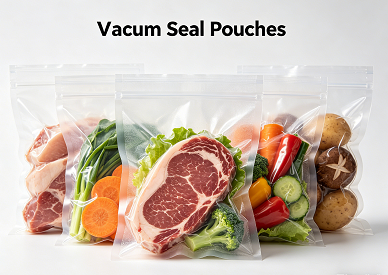
When you choose vacuum seal pouches, look at what they are made of and how well they protect food. Each material does something special. Some keep water out, while others stop oxygen or light. Here is a quick chart about common materials:
Material Type | Key Properties | Benefits |
|---|---|---|
PE | Moisture resistance, flexibility | Great for outside layers |
PET | High clarity, good barrier | Keeps food fresh and easy to see |
PA | Oxygen barrier, puncture resistance | Holds in flavor and aroma |
EVOH | Superior gas barrier | Makes food last longer |
Aluminum Foil | Blocks light, oxygen, moisture | Best for taste and safety |
You want vacuum sealing bags that keep out water and stay strong in hot or cold places. These things help your food stay safe and taste good, even in the freezer or pantry.
Recyclability and Eco-Friendliness
If you want to help the planet, pick vacuum seal pouches that are easy to recycle. Old nylon blends are hard to recycle, but new mono-material pouches like MDOPE/PE or PE/EVOH/PE are much easier. These vacuum sealing bags can go right into recycling. They also protect your food and are strong.
Many vacuum seal pouches now use recycled or plant-based materials. These choices help keep food fresh and are better for the earth.
Customization Options
Vacuum seal pouches come in many shapes and sizes. You can pick the right pouch for snacks or big pieces of meat. You can also choose thicker bags if you need them to be stronger.
You can add your logo or product name with custom printing. This makes your vacuum sealing bags look cool and helps people know your brand. Some bags have easy-open notches or clear windows. These features make it simple to open and let you see your food.
Tip: Pick vacuum seal pouches that fit what you need and show your style. You get better food storage and a package that matches your brand.
Vacuum Sealing Tips
Best Practices
You want your vacuum-sealed food to stay safe and tasty. Here are some easy tips you can follow:
Wash your hands before you start. Clean your counters and utensils, too.
Pick fresh ingredients. Old or spoiled food will not last longer, even if you vacuum seal it.
Use strong bags made for vacuum sealing. Thin bags can tear and let air in.
Keep raw meats, poultry, and seafood cold. Store them at 40°F or below.
Put your vacuum-sealed foods in the fridge or freezer right away. Do not leave them out for more than two hours.
Thaw frozen foods in the refrigerator. Do not thaw at room temperature.
Cook meats and seafood to the right temperature. Use a food thermometer to check.
Write a use-by date on each bag. Eat your food within the recommended time.
Tip: Vacuum sealing slows down bacteria, but it does not kill them. Always keep perishable foods cold.
Labeling and Storage
Labeling helps you stay organized and safe. You can avoid wasting food and know what you have in your freezer.
Write the name of the food and the date you sealed it on each bag.
Add a “use by” date and the storage temperature if you want to be extra careful.
Stack your vacuum-sealed bags flat. This saves space and makes it easy to find what you need.
Keep a list of what you have stored. This helps you use older items first.
Proper labeling and storage make your vacuum-sealed foods last longer and help you avoid surprises in your freezer. You get the most out of your food and your effort!
Challenges and Limitations
Vacuum sealing makes food storage easier, but you should know about a few challenges. Not every food works well with vacuum sealing. You also need to care for your equipment and think about costs.
Foods to Avoid
Some foods just don’t like the vacuum. They can get squished or lose their texture. Here are a few foods you should skip:
Delicate foods such as berries
Leafy greens
Mushrooms
Baked goods
These foods can get damaged or spoil faster if you vacuum seal them. Try freezing berries or using airtight containers for baked treats instead.
Vacuum sealing also creates an environment without oxygen. This can let harmful bacteria like Clostridium botulinum grow if you don’t keep food cold. Always store vacuum-sealed foods in the fridge or freezer. Keep the temperature below 41°F to stay safe.
Maintenance and Costs
You need to take care of your vacuum sealer to keep it working well. Here’s a quick look at what you’ll need to do:
Maintenance Task | Frequency |
|---|---|
Replace poppet valves | Annually |
Oil changes | Routine |
Ballasting and oil level checks | Daily |
Lubricate sliding parts | Every 2-3 months |
Clean heating strip and silica gel | Regularly |
You should also:
Use your sealer in a clean, dry place.
Change the oil if it turns black or looks wet.
Clean your machine after every use.
Vacuum sealers can cost a lot at first, especially big ones. You might need some training to use them safely. But you can save money each month by wasting less food. Many families save $90 to $140 every month by vacuum sealing. That adds up fast!
Note: Vacuum sealing helps a lot, but you still need to keep food cold and follow safety rules.
Vacuum sealing gives you fresher food, less waste, and more space in your kitchen. You save money and help the planet, especially with eco-friendly pouches. Want to start? Try sealing a few meals or snacks. You’ll see how easy it is to keep food tasting great and lasting longer.
FAQ
How does vacuum sealing food keep my groceries fresh?
Vacuum sealing food removes air. You stop bacteria and mold from growing. Vacuum packaging locks in freshness. You get longer shelf life and better taste.
Can I use vacuum packaging for cooked meals?
Yes, you can use vacuum packaging for cooked meals. Vacuum sealing food keeps leftovers safe. You just reheat and enjoy fresh flavor every time.
What foods work best with vacuum sealing food?
You get great results with meats, cheese, and vegetables. Vacuum packaging also works for snacks and bulk items. Vacuum sealing food helps you store many types of groceries.

