



Bag in Box Liquid Packaging vs Bottles: Which Packaging Solution Is Better?
Liquid packaging plays an important role in product protection, transportation efficiency, shelf life extension, and customer experience. For beverage manufacturers, food producers, and industrial liquid suppliers, selecting the right packaging format can directly affect production costs, logistics efficiency, and product quality.
Traditionally, bottles have been one of the most common choices for liquid products such as juice, wine, dairy products, sauces, and oils. However, as companies look for more sustainable, lightweight, and cost-effective solutions, bag in box liquid packaging has become an increasingly popular alternative.
Unlike rigid bottles, bag in box liquid packaging combines a flexible high-barrier inner bag with an outer protective carton, providing excellent protection, efficient storage, and convenient dispensing. It is now widely used in beverage, foodservice, retail, and industrial applications.
So, when comparing bag in box liquid packaging vs bottles, which solution is better? The answer depends on factors such as product type, transportation requirements, shelf life expectations, sustainability goals, and packaging costs.
This article will compare these two packaging solutions in detail and help businesses choose the most suitable option.
Key Takeaways
Bag in box liquid packaging offers advantages in weight reduction, storage efficiency, transportation costs, and product protection.
Bottles provide strong consumer recognition and are suitable for single-use retail products.
Bag in box packaging is especially suitable for bulk liquids, beverages, food ingredients, and industrial liquid products.
High-barrier films used in bag in box systems help protect liquids from oxygen and external contamination.
Choosing between bag in box and bottles depends on product requirements, distribution channels, and sustainability objectives.
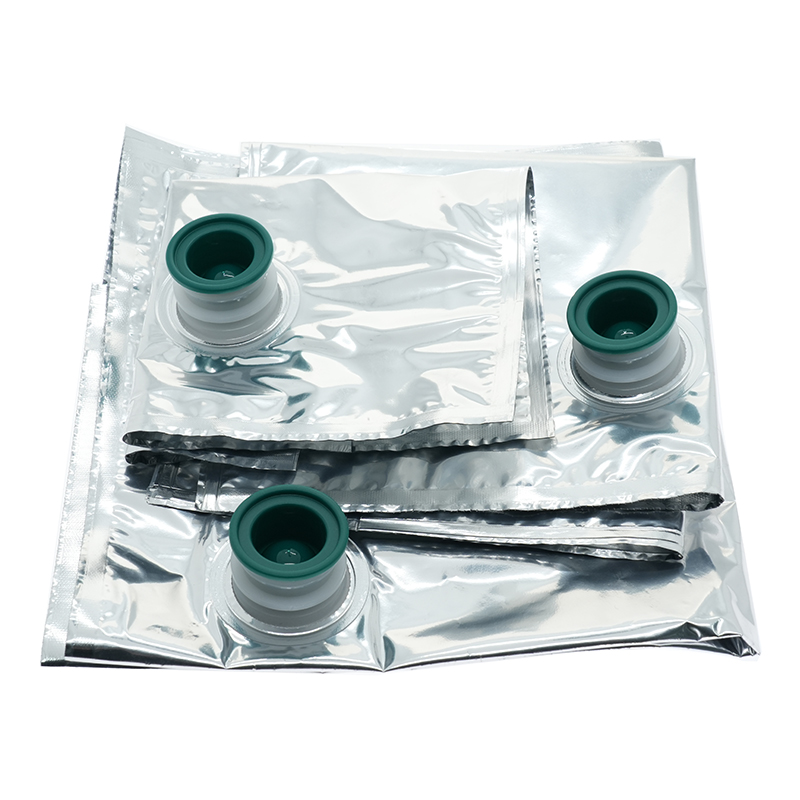
What Is Bag in Box Liquid Packaging?
Understanding the Structure of Bag in Box Packaging
Bag in box liquid packaging is a flexible packaging system designed for storing, transporting, and dispensing liquid products.
It usually consists of three main components:
1. Flexible Inner Bag
The inner bag is made from multiple layers of barrier films.
Common materials include:
Polyethylene PE
Polyester PET
Nylon
Aluminum foil
EVOH barrier layers
These materials provide:
Oxygen resistance
Moisture protection
Leak prevention
Product freshness
2. Dispensing Fitment
The fitment allows controlled product dispensing.
Common options include:
Spouts
Taps
Valves
Connectors
A high-quality fitment helps:
Prevent leakage
Maintain hygiene
Improve user convenience
3. Outer Protective Box
The outer carton provides:
Structural support
Protection during transportation
Easy stacking capability
This combination creates an efficient liquid packaging system that balances protection and convenience.
What Is Bottle Packaging?
Bottle packaging uses rigid containers made from materials such as:
Glass
PET plastic
HDPE plastic
Aluminum
Bottles are commonly used for:
Soft drinks
Juice
Water
Milk products
Wine
Sauces
The main advantages of bottles include:
Strong consumer familiarity
Easy shelf display
Individual serving convenience
However, bottles also have limitations related to weight, transportation, and storage efficiency.
Bag in Box Liquid Packaging vs Bottles Detailed Comparison
1. Weight and Transportation Efficiency
Bag in Box Liquid Packaging
One of the biggest advantages of bag in box packaging is its lightweight structure.
Compared with glass or rigid plastic bottles, bag in box systems use less packaging material and weigh significantly less.
Benefits:
Lower shipping costs
Easier handling
Reduced fuel consumption
Higher loading efficiency
For companies transporting large volumes of liquids, weight reduction can create significant logistics savings.
Bottle Packaging
Bottles, especially glass bottles, are much heavier.
Challenges include:
Higher transportation costs
Increased storage requirements
Greater risk of breakage
For large-volume liquid transportation, bottles may be less efficient compared with flexible packaging formats.
Winner Bag in box liquid packaging
2. Storage Efficiency
Bag in Box Packaging
The flexible structure allows efficient storage before and after filling.
Advantages:
Requires less warehouse space
Easy stacking
Better space utilization
Reduced packaging inventory
The flexible bag can also collapse as liquid is dispensed, reducing leftover air exposure.
Bottle Packaging
Bottles require fixed storage space regardless of whether they are empty or filled.
Limitations:
Larger storage footprint
Less flexibility
More packaging volume
Winner Bag in box liquid packaging
3. Product Shelf Life and Protection
Bag in Box Liquid Packaging
High-barrier films provide excellent protection against:
Oxygen
Light
Moisture
This makes bag in box packaging suitable for products requiring freshness protection.
Applications include:
Juice concentrates
Wine
Dairy ingredients
Liquid food products
The reduced oxygen exposure after opening can help maintain product quality.
Bottle Packaging
Bottle performance depends on material type.
For example:
Glass provides excellent barrier protection
PET may require additional barrier technology
However, once opened, bottles usually allow more air exposure compared with bag in box systems.
Winner Bag in box liquid packaging for many bulk liquid applications
4. Sustainability Comparison
Bag in Box Liquid Packaging
Sustainability advantages include:
Reduced Material Usage
Flexible bags require less material compared with many rigid containers.
Lower Transportation Emissions
Lower package weight can reduce fuel consumption during shipping.
Efficient Storage
Smaller packaging volume helps improve logistics efficiency.
Bottle Packaging
Bottles have sustainability advantages as well.
For example:
Glass bottles can be reused
PET bottles can be recycled
However, challenges include:
Higher material usage
Higher transportation weight
More space requirements
Winner Depends on the recycling system and application.
For bulk liquid transportation Bag in box liquid packaging
5. Convenience and Dispensing Experience
Bag in Box Packaging
Bag in box systems provide:
Controlled dispensing
Easy pouring
Reduced contamination risk
They are widely used in:
Restaurants
Cafeterias
Foodservice businesses
Beverage suppliers
Bottle Packaging
Bottles provide:
Individual consumer convenience
Easy retail display
Familiar usage experience
They are ideal for:
Ready to drink beverages
Personal consumption products
Winner Depends on application Bulk usage Bag in Box Single serving Bottles
6. Cost Comparison
Bag in Box Liquid Packaging
Cost advantages:
Lower packaging material usage
Lower transportation expenses
Better storage efficiency
Suitable for large volume products
For businesses selling bulk liquids, bag in box can reduce total packaging costs.
Bottle Packaging
Costs may increase due to:
Higher material requirements
Transportation weight
Storage needs
However, bottles remain competitive for premium retail products.
Winner Bag in box for bulk liquid applications
Bag in Box Liquid Packaging vs Bottles Comparison Table
| Feature | Bag in Box Liquid Packaging | Bottle Packaging |
|---|---|---|
| Package Weight | Lightweight | Heavier |
| Transportation Cost | Lower | Higher |
| Storage Efficiency | Excellent | Moderate |
| Material Usage | Lower | Higher |
| Shelf Life Protection | Excellent with barrier films | Depends on material |
| Dispensing | Convenient controlled dispensing | Easy individual use |
| Retail Appearance | Moderate | Excellent |
| Bulk Applications | Excellent | Limited |
| Customization | Highly flexible | Moderate |
| Sustainability Potential | High | Depends on recycling |
When Should You Choose Bag in Box Liquid Packaging?
Bag in box liquid packaging is an excellent choice for companies producing:
1. Juice and Beverage Products
Examples:
Juice concentrates
Fruit beverages
Syrups
Benefits:
Longer freshness
Easy dispensing
Lower transportation costs
2. Wine Products
Bag in box wine packaging is increasingly popular because it:
Protects wine quality
Reduces packaging weight
Supports larger volumes
3. Food Ingredients
Applications:
Sauces
Cooking oils
Liquid ingredients
Advantages:
Hygienic storage
Convenient industrial use
4. Industrial Liquids
Examples:
Cleaning products
Lubricants
Specialty liquids
Benefits:
Efficient bulk transportation
Reduced packaging waste
When Are Bottles a Better Choice?
Although bag in box packaging has many advantages, bottles remain suitable for certain situations.
Choose bottles when:
Retail Shelf Presence Is Important
Bottles offer:
Strong brand visibility
Premium appearance
Consumer familiarity
Products Require Individual Serving Sizes
Examples:
Water
Ready to drink beverages
Personal use products
Existing Filling Systems Are Designed for Bottles
Companies with established bottle production lines may prefer continuing with their current systems.
How to Choose the Right Packaging Solution?
Before selecting packaging, businesses should consider:
1. Product Characteristics
Ask:
Does the product require oxygen protection
Is it sensitive to light
Does it need long shelf life
2. Volume Requirements
Bag in box is especially suitable for:
Medium volume
Large volume
Bulk liquid applications
3. Distribution Model
Consider:
Retail sales
Foodservice
Industrial supply
Export transportation
4. Sustainability Goals
Companies focusing on reducing packaging impact should evaluate:
Material efficiency
Transportation emissions
Waste reduction
Why Choose Meiji Packaging for Bag in Box Liquid Packaging?
Meiji Packaging specializes in customized flexible packaging solutions for global customers.
As an experienced packaging manufacturer, Meiji provides:
High Barrier Bag in Box Solutions
Designed for:
Oxygen protection
Product freshness
Leak resistance
Customized Film Structures
Available options include:
Multi layer PE films
Aluminum barrier structures
High performance composite films
Flexible Capacity Options
Solutions can be customized for:
Beverage products
Food ingredients
Dairy products
Industrial liquids
Professional Packaging Support
Meiji helps customers with:
Material selection
Packaging design
Fitment selection
Application solutions
Frequently Asked Questions FAQ
Q1 Is bag in box liquid packaging better than bottles
For bulk liquid products, bag in box packaging often provides advantages in transportation, storage, cost efficiency, and product protection. However, bottles may be better for individual retail products.
Q2 What products can use bag in box liquid packaging
Bag in box liquid packaging is commonly used for wine, juice, dairy products, sauces, edible oils, syrups, and industrial liquids.
Q3 Does bag in box packaging extend product shelf life
Yes. High barrier films can reduce oxygen exposure and help maintain product quality, depending on product type and filling conditions.
Q4 Is bag in box packaging environmentally friendly
Bag in box packaging can reduce material usage and transportation emissions because it is lightweight and space efficient.
Q5 Can bag in box packaging replace bottles completely
Not always. Bag in box is ideal for bulk liquids, while bottles remain popular for individual consumer products and retail display.
Conclusion Which Packaging Solution Is Better
The choice between bag in box liquid packaging vs bottles depends on product requirements, business goals, and distribution methods.
For companies looking for:
Lower transportation costs
Efficient storage
High barrier protection
Sustainable packaging options
Bulk liquid solutions
bag in box liquid packaging is often the better choice.
For individual retail products requiring strong shelf presence and consumer convenience, bottles may still be the preferred solution.
As flexible packaging technology continues to develop, bag in box systems are becoming an increasingly important solution for modern liquid packaging needs. Companies seeking reliable customized solutions can work with experienced manufacturers like Meiji Packaging to develop packaging that matches their specific applications.
Please Contact Us!
Recent News
1.The Complete Guide to Choosing the Right Pouch Size for Your Product
2026-01-152.What is bag in box packaging
2026-03-193.Why Choose Stand-Up Pouches for Flexible Packaging in 2026
2026-04-014.Bag-in-Box Makes Bulk Packaging Cheaper and Easier
2026-04-085.Complete Guide to Bag-in-Box (BIB) Packaging Applications Across Industries
2026-04-236.Top 10 Flexible Packaging Manufacturers 2026
2026-06-037.Are Quad Seal Pouches Suitable For Coffee Packaging?
2026-06-098.Top 10 Bag-in-Box Manufacturers 2026
2026-08-039.Why Choose Meiji Packaging as Your Retort Pouch Supplier
2026-07-1010.Custom Flat Bottom Box Pouch OEM: The Ultimate Buyer’s Guide to Choosing the Right Manufacturer
2026-07-06

