



Retort Pouch Packaging Guide for Ready-to-Eat Food Manufacturers
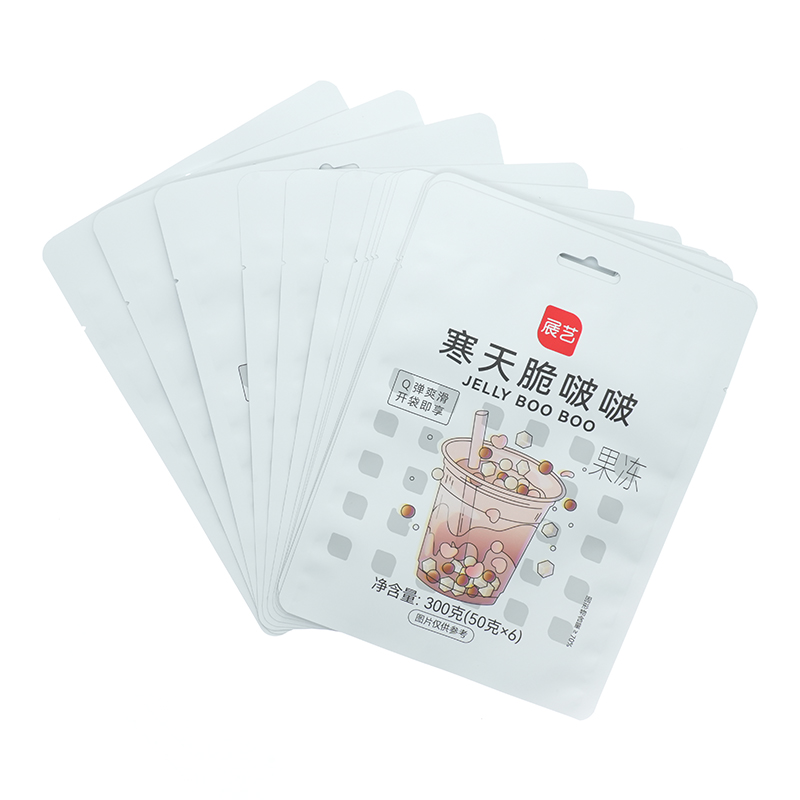
The global ready-to-eat (RTE) food market is growing rapidly as consumers demand convenient meals with longer shelf life, easy storage, and reliable food safety. For food manufacturers, packaging is no longer only a container — it is a critical factor affecting product quality, shelf stability, transportation cost, and consumer experience.
Among modern food packaging solutions, retort pouch packaging has become one of the preferred choices for ready-to-eat food manufacturers worldwide. Compared with traditional metal cans and glass jars, retort pouches provide excellent thermal resistance, high barrier protection, lightweight structure, and flexible branding options.
For manufacturers producing ready meals, cooked meat, seafood, sauces, soups, rice products, and emergency food, selecting the right retort pouch packaging can directly influence product performance and market competitiveness.
This guide explains what retort pouch packaging is, how it works, what materials are used, and how ready-to-eat food manufacturers can choose the ideal packaging solution.
Key Takeaways
Retort pouch packaging is designed for high-temperature sterilization processes, allowing ready-to-eat foods to remain shelf-stable without refrigeration.
Multi-layer structures such as PET/AL/NY/RCPP provide heat resistance, puncture protection, and strong barrier performance.
Compared with cans, retort pouches are lighter, require less storage space, and can improve transportation efficiency.
Different food products require different pouch structures, including aluminum retort pouches, transparent retort pouches, vacuum pouches, and stand-up retort pouches.
Choosing an experienced retort pouch manufacturer is essential for food safety, sealing reliability, and consistent production quality.
1. What Is Retort Pouch Packaging?
Retort pouch packaging is a flexible food packaging solution specially designed to withstand high-temperature and high-pressure sterilization.
Unlike ordinary plastic bags, retort pouches are manufactured with multiple layers of food-grade materials that maintain structural integrity during the retort process.
During production, food products are filled into the pouch, sealed, and then sterilized inside a retort machine under controlled temperature and pressure conditions.
| Process Parameter | Typical Range |
|---|---|
| Sterilization Temperature | 121°C–135°C |
| Processing Time | 30–60 minutes |
| Shelf Life | 18–24 months |
| Storage Condition | Room temperature |
This process destroys microorganisms while maintaining food quality, making retort pouches ideal for shelf-stable ready meals.
According to food safety guidance, retort pouches provide advantages including lightweight structure, faster heat penetration, and reduced storage space compared with traditional metal cans.
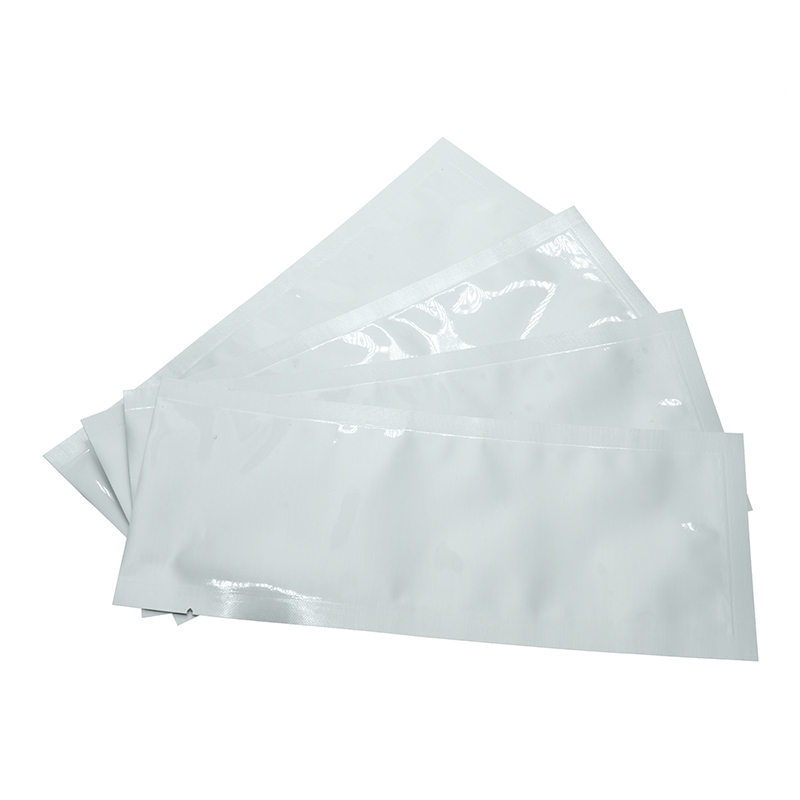
2. Why Are Ready-to-Eat Food Manufacturers Choosing Retort Pouch Packaging?
2.1 Longer Shelf Life Without Refrigeration
One of the biggest advantages of retort pouch packaging is its ability to extend food shelf life.
The high-barrier structure protects products from:
Oxygen
Moisture
Light
External contamination
This allows manufacturers to distribute products globally without relying on cold-chain transportation.
Typical applications include:
Ready meals
Military food
Emergency meals
Curry products
Cooked meat
Seafood
Pet food
2.2 Better Product Quality After Sterilization
The flat shape of retort pouches allows heat to transfer more efficiently compared with rigid containers.
This means:
Shorter sterilization time
Better preservation of flavor
Improved texture retention
Reduced nutrient loss
For premium ready-to-eat meals, packaging performance directly affects consumer satisfaction.
2.3 Lower Transportation and Storage Costs
Compared with cans and glass jars, retort pouches are:
Lightweight
Flexible
Space-saving
Empty pouches can be stored flat before filling, reducing warehouse requirements.
For export-oriented food manufacturers, this can significantly reduce logistics costs.
2.4 More Attractive Retail Presentation
Modern consumers care about convenience and appearance.
Retort pouches support:
High-resolution printing
Custom shapes
Stand-up designs
Transparent windows
Easy-open features
Manufacturers can create packaging that improves shelf visibility and strengthens brand recognition.
3. Retort Pouch Structure: What Materials Are Used?
A professional retort pouch usually consists of several functional layers.
A common structure is:
| Layer | Material | Function |
|---|---|---|
| Outer Layer | PET | Printing protection and mechanical strength |
| Barrier Layer | Aluminum Foil / High Barrier Film | Blocks oxygen, moisture, and light |
| Strength Layer | Nylon (PA) | Improves puncture resistance |
| Inner Layer | RCPP | Heat sealing and food contact safety |
Each layer plays an important role during sterilization.
For example:
PET provides durability and print quality.
Aluminum foil offers excellent barrier protection.
Nylon improves toughness.
RCPP maintains sealing performance under high temperatures.
Meiji Packaging develops customized retort pouch structures according to food type, sterilization requirements, and shelf-life targets.
4. Main Types of Retort Pouch Packaging for Food Manufacturers
Different food products require different packaging designs.
4.1 Aluminum Retort Pouch
Best for:
Ready meals
Meat products
Seafood
High-value food products
Advantages:
Maximum barrier protection
Excellent shelf stability
Protection against oxidation and light
Recommended for manufacturers requiring long-distance export and extended shelf life.
4.2 Transparent Retort Pouch
Transparent retort pouches are becoming increasingly popular because they allow consumers to see the actual product inside.
Suitable for:
Premium meals
Organic food
Sauces
Fresh-looking products
Benefits:
Product visibility
Attractive shelf appearance
Modern consumer experience
4.3 Stand-Up Retort Pouch
Stand-up designs provide better retail display performance.
Applications:
Ready meals
Soups
Rice products
Pet food
Advantages:
Easy storage
Convenient consumption
Improved shelf presentation
4.4 Retort Vacuum Pouch
Commonly used for:
Cooked meat
Frozen food
Marinated products
Benefits:
Reduced oxidation
Better freshness preservation
Improved product appearance
5. How to Choose the Right Retort Pouch for Ready-to-Eat Food?
Food manufacturers should consider the following factors.
5.1 Product Characteristics
Different foods require different barrier properties.
Consider:
Oil content
Moisture level
Acidity
Product shape
Food texture
For example:
| Product | Recommended Packaging |
|---|---|
| Curry | Aluminum retort pouch |
| Seafood | High-barrier retort pouch |
| Sauce | Spouted retort pouch |
| Meat | Vacuum retort pouch |
| Premium meals | Transparent retort pouch |
5.2 Sterilization Requirements
Manufacturers should confirm:
Sterilization temperature
Processing time
Retort equipment type
A pouch must maintain:
Seal strength
Layer adhesion
Shape stability
throughout the entire sterilization process.
5.3 Shelf Life Requirements
Different markets have different expectations.
For export food products, manufacturers often require:
12-month shelf life
18-month shelf life
24-month shelf life
Packaging material selection directly affects shelf stability.
5.4 Printing and Branding Needs
Custom printed retort pouches help food brands differentiate themselves.
Important considerations include:
Printing quality
Color accuracy
Brand visibility
Packaging appearance
Meiji Packaging provides customized printing solutions for food manufacturers requiring both performance and attractive design.
6. Retort Pouch Packaging vs Traditional Cans
| Feature | Retort Pouch | Metal Can |
|---|---|---|
| Weight | Lightweight | Heavy |
| Storage Space | Flat storage | Larger volume |
| Heat Transfer | Faster | Slower |
| Transportation Cost | Lower | Higher |
| Design Flexibility | High | Limited |
| Consumer Convenience | Easy opening | Requires tools |
For many ready-to-eat food brands, retort pouch packaging provides a more flexible alternative to traditional rigid containers.
7. Why Choose Meiji Packaging as Your Retort Pouch Manufacturer?
For ready-to-eat food manufacturers, packaging quality directly impacts food safety and brand reputation.
Meiji Packaging focuses on customized flexible packaging solutions with:
Advanced Manufacturing Capability
Multi-layer lamination technology
High-quality raw materials
Strict production control
Customized Packaging Solutions
Available options include:
Custom printed retort pouches
Aluminum retort pouches
Transparent retort pouches
Vacuum retort bags
Stand-up retort pouches
Global Food Safety Standards
Professional food packaging suppliers should provide:
Food-grade materials
Stable sealing performance
Consistent quality control
By combining manufacturing expertise with customized solutions, Meiji Packaging helps global food companies develop reliable shelf-stable packaging solutions.
FAQ About Retort Pouch Packaging
1. How long can food last in retort pouch packaging?
Most retort pouch products can achieve 18–24 months shelf life at room temperature depending on food type and packaging structure.
2. Can retort pouches replace cans?
Yes. Many ready-to-eat food manufacturers use retort pouches as an alternative to cans because they are lighter, easier to transport, and more convenient for consumers.
3. Are retort pouches safe for food?
Yes. Food-grade retort pouches are designed to withstand high-temperature sterilization and maintain sealing integrity during processing.
4. What foods can use retort pouch packaging?
Common applications include:
Ready meals
Rice dishes
Meat products
Seafood
Sauces
Soups
Pet food
5. How do I choose a retort pouch manufacturer?
Look for:
Manufacturing experience
Food-grade certifications
Customization capability
Stable quality control
Retort testing capability
Conclusion
For ready-to-eat food manufacturers, choosing the right packaging solution is essential for product safety, shelf life, logistics efficiency, and consumer appeal.
Retort pouch packaging provides a powerful combination of sterilization performance, lightweight design, flexible customization, and long-term preservation.
Whether you manufacture ready meals, seafood, meat products, sauces, or emergency food, working with an experienced retort pouch manufacturer like Meiji Packaging can help create reliable packaging solutions that meet global market requirements.
Please Contact Us!
Recommended Products
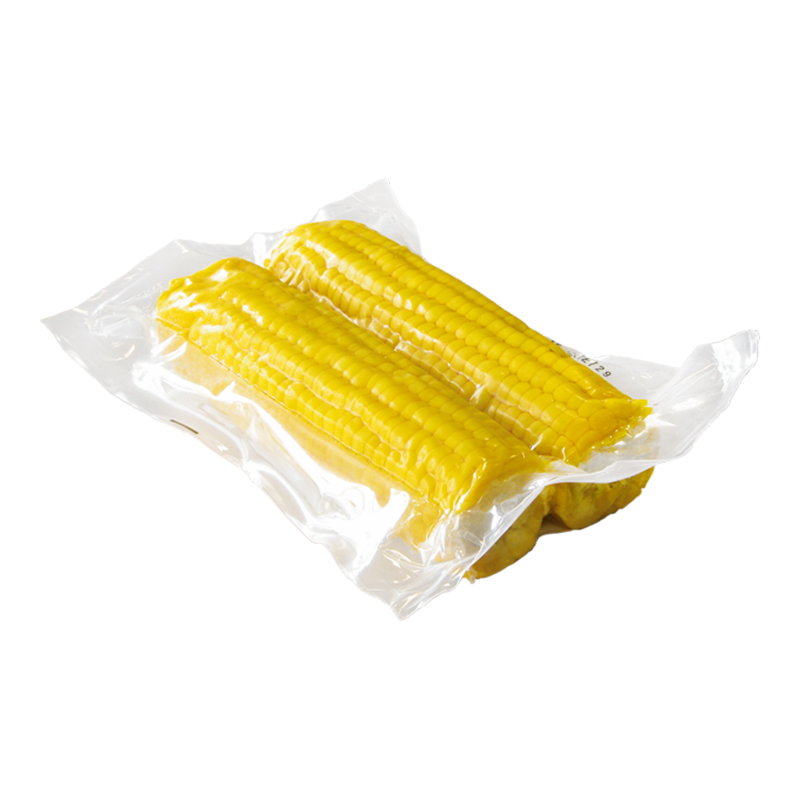
High‑Barrier Retort Pouch for Sweet Corn
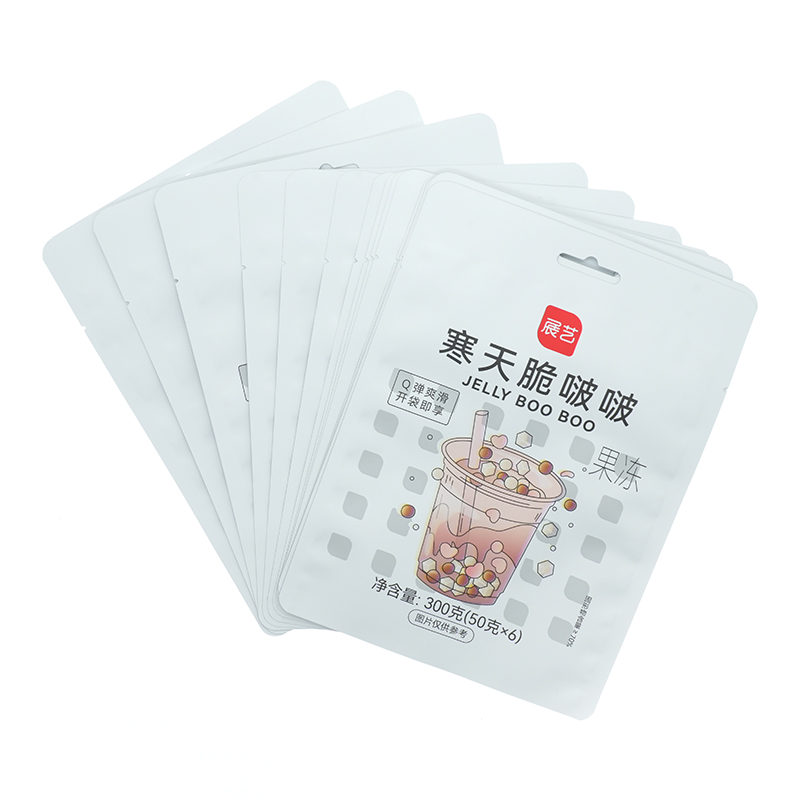
Professional High-Temperature Aluminum Foil Retort Pouch
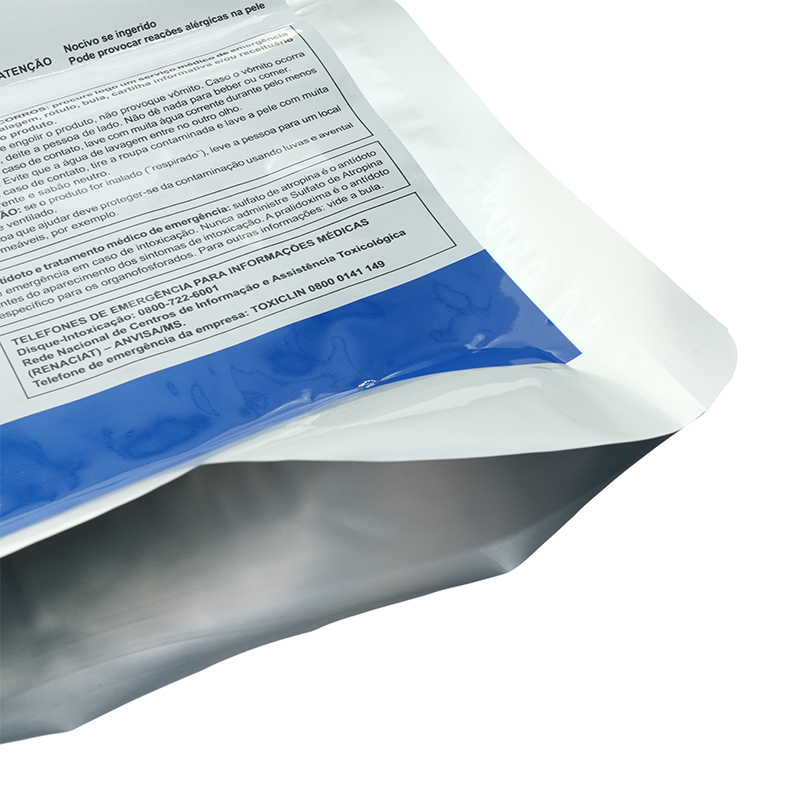
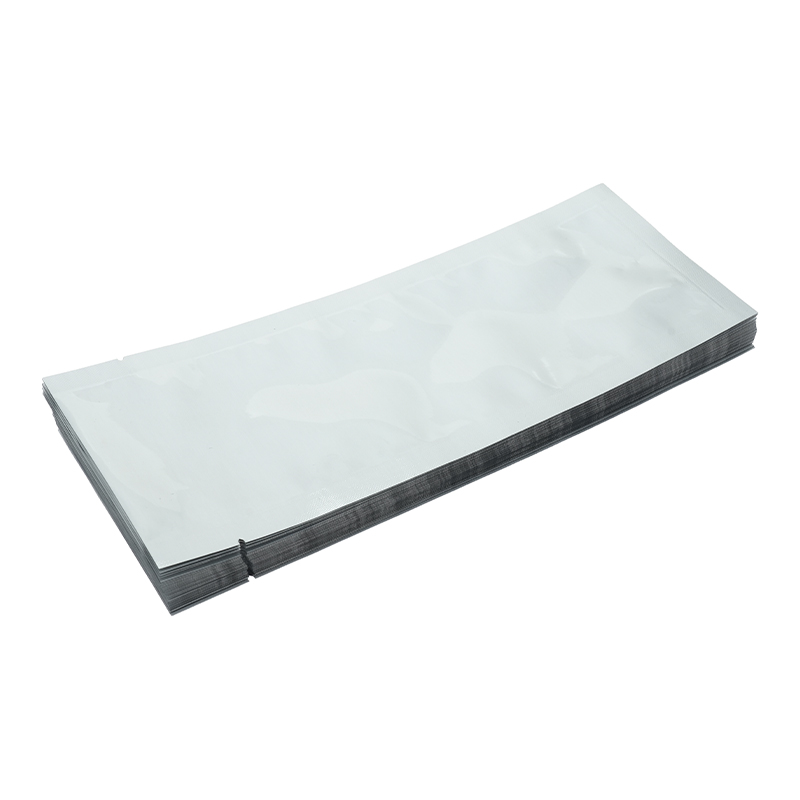
Professional High Barrier Vacuum Foil Bags
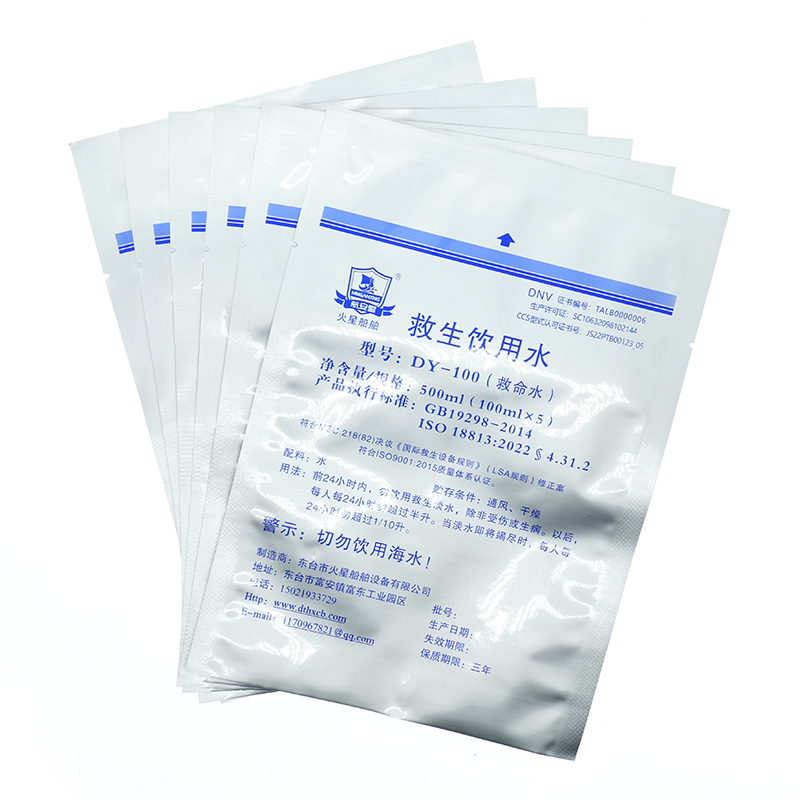
High-Performance Food Grade Aluminum Foil Retort Pouch
Custom Printed OEM Retort Pouch Solutions
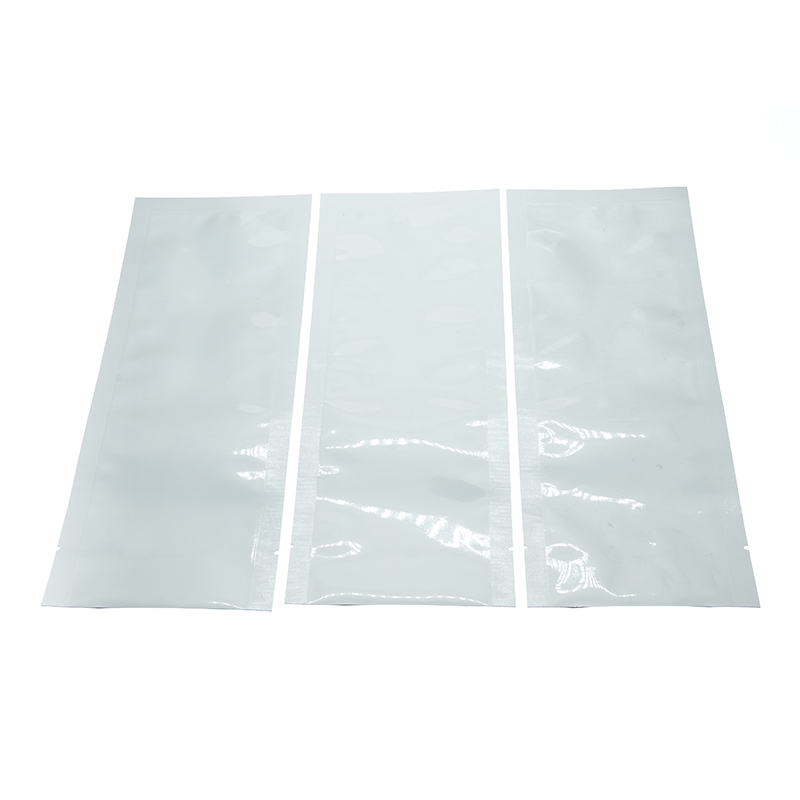
Boilable & Autoclave Retort Vacuum Bags for Food Processing
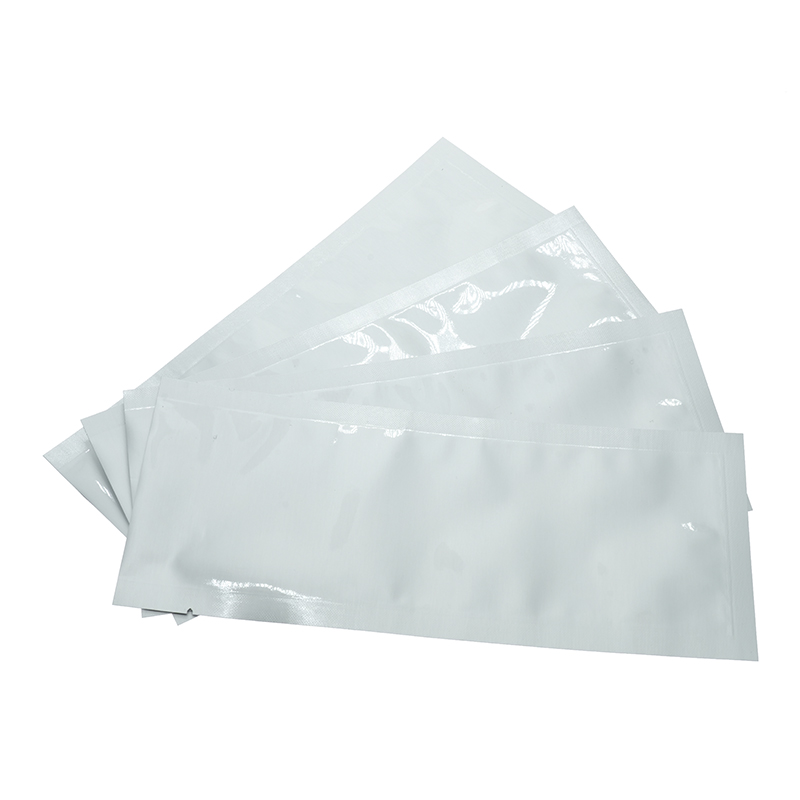
121°C High-Temperature 3-Side Seal Retort Pouch & Flat Bags
Recent News
1.Top 10 Retort Pouch Manufacturers in China 2026
2026-07-012.How to Choose the Right Retort Pouches for Ready-to-Eat (RTE) Food Packaging
2026-06-163.Top 10 Stand-Up Pouches Manufacturers in China
2026-06-154.Why Choose Meiji Packaging as Your Retort Pouch Supplier
2026-07-105.What Is Retort Pouch Packaging?
2026-05-126.Top 10 Flexible Packaging Manufacturers 2026
2026-06-037.Top 10 Vacuum Pouch Suppliers and Manufacturers in Sri Lanka
2026-04-16

