



2026's Top Retort Pouch Manufacturers: Rankings and Insights
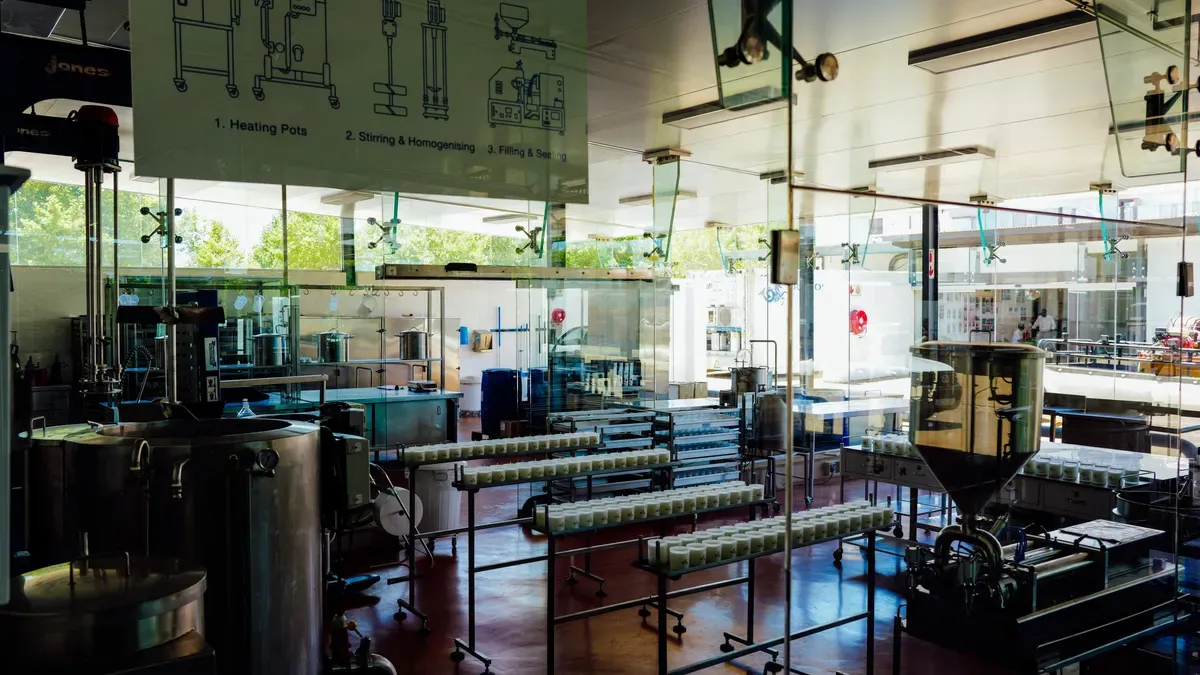
In 2026, three retort pouch manufacturers lead the market: Amcor, Mondi, and Meiji Packaging. Amcor offers global scale and material science expertise. Mondi pioneers mono-material, recyclable pouches. Meiji Packaging is a leading retort pouch manufacturer. It delivers high-temperature resilience up to 135°C and low MOQs. This flexible laminate package withstands sterilization to keep food safe and extends shelf life without a fridge. This shelf-life advantage makes it great for your food products. Your food stays fresh without preservatives. The top manufacturers follow certifications like BRCGS and FDA. These pouches lower shipping costs and storage space. They also provide a smaller carbon footprint.
Key Takeaways
Amcor, Mondi, and Meiji Packaging are the top retort pouch makers in 2026.
Choose a manufacturer that fits your product's heat and barrier requirements.
Meiji Packaging offers low minimum order amounts, so you can try new products without taking a big risk.
New rules in Europe now require pouches that can be recycled and are good for the environment.
Certifications such as BRCGS and FDA help guarantee that food is safe and allow you to sell in different markets.
Defining the Retort Pouch and Its Market Role
What Is a Retort Pouch?
A retort pouch is a soft, layered package made to handle very hot sterilization. This process usually heats to 121°C up to 135°C. The pouch keeps your food safe through this strong heat. It then keeps that food fresh with no need for cooling. This food packaging takes the place of old metal cans and glass jars. You get the same long-lasting quality but with much less weight.
The build of a retort pouch uses several layers. Each layer has its own job. An outer polyester layer gives strength and a surface for printing. An aluminum foil layer blocks oxygen and moisture well. A nylon layer adds resistance to punctures. An inner polypropylene layer allows heat sealing. Together, these layers give your products a long shelf life.
The heating process inside a retort machine removes harmful germs. Your food stays safe and tasty for months or even years. This long-lasting benefit makes retort pouches perfect for soups, sauces, pet food, and full meals. You also cut shipping costs because these pouches weigh less and take up less room than hard containers.
The Expanding Global Retort Pouches Market
The global retort pouches market keeps growing at a steady pace. Industry forecasts point to a yearly growth rate of about 5-6% from 2026 to 2031. Several factors push this growth forward. You can see the trend clearly in the table below.
Market Driver | What It Means for You |
|---|---|
Demand for ready-to-eat meals | Single-person homes and busy schedules raise the need for easy, pre-made meals |
Logistics benefits | Light, space-saving pouches lower storage and shipping costs |
Shelf-stability and food safety | Strong protection against germs keeps products safe without additives |
The rise in ready-to-eat meal markets directly increases demand for retort packaging. Consumers want quick meals that still taste fresh. Retort pouches provide exactly that result. You also gain from new advances in packaging materials. Fresh film technologies improve barrier strength and keep products fresh even longer.
Sustainability plays a bigger part in this market. Many manufacturers now offer green options. These include recyclable single-material designs and compostable films. Government backing for food safety rules also moves the global retort pouches market ahead. As you check suppliers, think about how each company handles these environmental issues. The global retort pouches market rewards makers who balance performance with care for the planet. The global retort pouches market also rewards buyers who pick wisely. Your choice of high temperature retort packaging affects your brand image and daily operations. The global retort pouches market offers more options than ever before. Knowing these trends helps you make smart buying choices.
Top Retort Pouch Manufacturers: Our 2026 Ranking
Ranking Criteria and Methodology
You need a clear way to compare retort pouch makers. Our team looked at each supplier using six main areas. These are factory size, skill with high-temperature retort tech, full set of international certifications, ability to customize, global customer feedback, and cost benefits in cross-border supply chains.
We used a weighted scoring model to rank each company. Production capacity makes up 20% of the total score. Material innovation also gets 20%. Customization, sustainability, client reputation, and global reach each get 15%. This balanced method stops one strength from taking over the final ranking.
Barrier performance testing is very important in our check. For high temperature retort packaging that holds sensitive foods like meat, strict tests for air and moisture are needed. These tests confirm that oxygen and water vapor cannot get into the pouch during its shelf life. Without this protection, the food would oxidize, lose flavor, and lose nutrients over time.
We also looked at four key measures for every candidate. Oxygen Transmission Rate (OTR) checks how much oxygen passes through, stopping fat from going bad and color from fading. Water Vapor Transmission Rate (WVTR) tracks moisture movement to keep the product hydrated. Seal Strength checks how well the heat seal holds under retort pressure. Heat Resistance verifies the pouch can handle 135°C processing without melting or peeling apart.
Rank | Manufacturer | Key Strength |
|---|---|---|
1 | GDOK Packaging | Three global production bases; full-spectrum retort structures for 121–135°C; defective rate below 1% |
2 | Amcor | World-leading conglomerate with recyclable packaging patents |
3 | Mondi | Leads on sustainability with mono-material recyclable pouches |
4 | Meiji Packaging | High-temperature resistance to 135°C; MOQs as low as 10,000 pieces |
5 | Sealed Air | Superior barrier and process integrity |
6 | Sonoco | Bridges flexible and rigid formats |
7 | Huhtamaki | Strong sustainability story |
8 | Constantia Flexibles | Broad European market presence |
9 | ProAmpac | Premium print execution |
10 | YLTPACK | Custom OEM/ODM support with flexible MOQs |
The Leaders: Profiles of the Top 3 Manufacturers
Amcor is the standard for large-scale global supply. This retort pouch maker serves big brands with steady quality across regions. Amcor built the world's first recyclable retort pouch called AmLite HeatFlex Recycle-Ready. This product handles heat sterilization and gives a long shelf life. It cuts carbon footprint by up to 60% compared to normal retort packaging. The cyclos-HTP Institute certified this pouch as recyclable. Amcor also meets CEFLEX guidelines for a circular economy. Their light design greatly lowers transport emissions.
Mondi leads the sustainability push in Europe. This retort pouch maker created mono-material recyclable pouches that meet EU Green Deal rules. Their design swaps complex multi-layer and non-recyclable packaging with a fully recyclable option. The pouch uses a high-barrier film instead of aluminum, making the mono-material structure work. This method lowers the product's environmental footprint while also cutting down possible food waste. Mondi ties this innovation to their MAP2030 promises, making sure all products become reusable, recyclable, or compostable.
Meiji Packaging (Sihai Packaging) offers science-based solutions from its Wuxi plant, started in 2014. This custom retort pouch maker uses its own PE blown film production together with advanced printing and lamination tech. Their retort pouches handle sterilization temperatures up to 135°C for 30-60 minutes. The multi-layer high barrier retort packaging structure uses PET/AL/NY/RCPP layers, giving great protection against oxygen and moisture. Meiji offers MOQs as low as 10,000 pieces, making them easy for mid-sized brands to use. Their certifications include ISO 9001, BRCGS, FDA, EU compliance, and TUV Austria for compostable options. Lab data shows peel strength above 4.5N/15mm with no delamination, heat seal strength over 60N/15mm, and leftover solvent below 0.2mg/m². They also make retortable stand up pouches with premium 10-color printing and add-ons like resealable zippers or liquid spouts.
Comparative Analysis: Key Performance Indicators
When you compare suppliers, you need specific numbers. These performance indicators tell you which partner fits your product needs. The table below shows how top manufacturers compare across four critical areas.
Manufacturer | MOQ | Lead Time | Barrier Performance (OTR/WVTR) | Key Certifications |
|---|---|---|---|---|
Amcor | High (50,000+) | 30-45 days | <0.05 cc/m²/day, <0.05 g/m²/day | BRCGS, FDA, ISO |
Mondi | Medium (25,000+) | 25-35 days | <0.05 cc/m²/day, <0.05 g/m²/day | BRCGS, FDA, EU |
Meiji Packaging | Low (10,000) | 15-20 days | <0.05 cc/m²/day, <0.05 g/m²/day | BRCGS, FDA, EU, TUV Austria |
MOQ, Lead Time, and Cost Efficiency
Your order volume and timeline shape your choice of supplier. Large manufacturers like Amcor set high minimum order quantities. Their MOQs start at 50,000 pieces or more. This works well for massive production runs. But it creates problems for growing brands.
Meiji Packaging offers a clear advantage here. You can start with a MOQ as low as 10,000 pieces. This low requirement lets you test new products without huge inventory risk. The standard lead time of 15-20 days helps you move fast. You can respond to market changes quickly. Larger players may need 30-45 days for delivery. The global retort pouches market rewards speed and flexibility. Mid-sized brands gain real value from these lower MOQs and faster turnaround. The global retort pouches market also favors suppliers who scale with your growth. You need a retort pouch for high temperature retort packaging. Meiji's retortable stand up pouches deliver this performance.
Barrier Performance and Certification Compliance
Barrier performance determines how long your food stays fresh. Top-tier retort pouch manufacturers achieve oxygen transmission rates below 0.05 cc/m²/day. Water vapor transmission rates stay below 0.05 g/m²/day. These numbers come from testing at 23°C and 50% relative humidity. The typical structure uses PET/AL/NY/RCPP layers. This high barrier construction protects your food products from oxygen and moisture. Your food maintains its flavor and nutrition for months. This high barrier performance keeps your products fresh.
Certifications prove a supplier meets food safety standards. Every reliable retort pouch manufacturer should hold BRCGS and FDA compliance. The global retort pouches market requires these credentials for major retailers. Meiji Packaging goes further with TUV Austria certification. This shows their commitment to sustainability. You also need EU compliance for European markets. The high barrier retort packaging solutions from certified manufacturers give you confidence. You know your product meets fda food contact compliance standards. The pouch structure holds up under high-temperature conditions during sterilization. The sterilization process works correctly. These certifications protect your brand and your customers.
How to Choose a Retort Pouch Manufacturer
Picking the right packaging partner takes a step-by-step plan. You need to match what your product needs with what each supplier can do. The global retort pouches market has many choices, but not every maker fits every need. Follow these three steps to narrow your options and find a partner who gives quality, safety, and value.
Step 1: Define Your Product's Thermal and Barrier Needs
Your first job is to figure out the exact heating conditions your product needs. Most ready-to-eat meals are processed at 121°C for 15 to 25 minutes using water spray systems. Some products, like certain meat dishes or UHT items, need even higher heat up to 135°C. This heat level decides which material structure you need.
Sterilization Requirement | Suitable Material Structure | What to Verify |
|---|---|---|
High barrier and long shelf life (ready meals, meat) | PET/AL/RCPP | Foil lamination quality prevents delamination at 121–135°C |
Puncture resistance (products with bones or sharp edges) | PET/NY/RCPP | Nylon lamination expertise maintains seal integrity under heat |
Transparent or lower barrier needs | BOPA/CPP or custom laminates | Inner RCPP sealing layer resists heat up to 135°C |
Your barrier needs also depend on how long you want the food to stay fresh. For an 18-month shelf life, look for an oxygen transmission rate of ≤0.05 cc/m²/day after sterilization. This number tells you if the pouch can keep oxygen and moisture away from your food. A high barrier film keeps flavors fresh and stops spoilage during shipping. The global retort pouches market rewards products that stay good from factory to table.
Step 2: Align on Certifications and Sustainability Goals
Your target market decides which safety rules your packaging must meet. For the United States, materials must be on the FDA's Generally Recognized as Safe list, and making them must follow Good Manufacturing Practices. For Europe, Regulation (EU) No. 10/2011 covers plastic packaging, setting limits on migration and requiring a Declaration of Compliance. These certifications protect your brand and keep food safe across borders.
Beyond rules, check each supplier's eco-friendly promises. Many brands now promise to cut plastic waste, so you need a maker who offers recyclable or compostable pouches. Look for third-party proof like TUV Austria certification for compostable products. Also check if the supplier has BRCGS and ISO 9001 credentials, which show steady quality control systems. The global retort pouches market increasingly likes makers who balance performance with caring for the planet.
Step 3: Weigh Cost, MOQ, and Speed Trade-Offs
Use the comparison table from the earlier section to weigh real limits. Large makers like Amcor need MOQs of 50,000 pieces or more, with lead times up to 30-45 days. This works for huge production runs but creates inventory risk for smaller brands. A mid-sized supplier like Meiji Packaging offers MOQs as low as 10,000 pieces with 15-20 day lead times, letting you test new products without tying up too much money.
Think of your speed to market as a plus. Faster turnaround lets you meet seasonal demand or launch sales quickly. Also look at the cost per unit at different order sizes. A supplier who offers retortable stand up pouches with great printing at lower MOQs may give better value than a big company that needs huge orders. The right high temperature retort packaging partner grows with you while keeping quality. Your choice of retort pouch affects your brand’s reputation, daily work, and long-term profits. Take time to check each candidate’s claims through sample testing and factory visits before you commit to a long-term partnership.
Key Trends Shaping the Future of Retort Pouches
The global retort pouches market is changing quickly. New rules are pushing for eco-friendly materials. France, Germany, and the Netherlands now charge a fee for packaging that can't be recycled. Germany wants a 65% recycling rate by 2028. This makes old foil pouches a hard choice for your brand. The demand for eco-friendly materials goes up every year. Many brands now pick mono-material PP structures. These structures make recyclable packaging solutions possible. TOPPAN launched an ALL-PP pouch for retort curry in Japan. This shows the change is real. Dow and BASF made new PP resins that can handle 121°C sterilization. This keeps your food safe. Meiji Packaging offers TUV-certified compostable options. This certifications path shows a retort pouch can be strong and eco-friendly. This retort pouch can handle high-temperature processing. Manufacturers are spending money on R&D to improve these materials. This sets a new standard for the global retort pouches market.
The Push for Sustainable and Recyclable Materials
Innovations in High-Barrier Transparent Films
Another big trend is high-barrier retort pouches made from clear films. These films use SiOx or AlOx coatings. They create a high barrier against oxygen and moisture. Your food stays fresh for a long shelf life. The shelf life of your product gets longer. Unlike foil, these pouches can go in the microwave. They also work with metal detectors. This makes them perfect for ready-to-eat meals. SiOx coatings are the best choice for this job. They resist micro-cracking better than other options. Meiji's clear pouches let over 92% of light pass through. They stay clear and don't turn yellow after autoclave. This is a big plus for shelf-life appeal. The high barrier protection keeps your product safe. Meiji uses a special R-CPP sealant film to resist steam. This makes sure the pouch doesn't turn milky at 121°C. These new films are changing the global retort pouches market. A retort pouch doesn't have to be opaque anymore. You can now see your food inside the package. This high barrier technology meets the need for convenience.
Your ideal retort pouch manufacturer depends on your product's heat needs, order size, and green goals. Use the selection framework above as your starting point. Compare MOQs, lead times, and certifications against your production reality. Test samples before committing to a long-term partnership.
The global retort pouches market rewards brands that balance performance with environmental responsibility. A high barrier structure protects your food and extends shelf life. Yet shelf-life appeal now includes recyclability. Choose a partner who innovates beyond current standards. The right retort pouch supplier helps you stay competitive as regulations tighten. Contact our authors for personalized supplier matchmaking. We help you find a retort pouch manufacturer who meets your quality, cost, and sustainability goals.
FAQ
How Long Can Food Stay Fresh in a Retort Pouch?
Your food can stay safe for up to 24 months without a fridge. The sterilization process kills harmful germs. The strong barrier layers block oxygen and moisture. Together, these features greatly extend shelf life. You gain more freedom in how you ship and store products.
What Certifications Should a Retort Pouch Manufacturer Hold?
Look for BRCGS and FDA approval as the basic requirements. These certifications show the maker follows food safety rules. European markets need EU compliance as well. Some makers also hold TUV Austria certification for compostable items. These credentials help protect your brand's good name.
Can I Order Small Batches From Top Manufacturers?
Yes, but choices differ across the global retort pouches market. Big suppliers like Amcor need 50,000 pieces at minimum. Meiji Packaging takes orders as low as 10,000 pieces. This flexibility helps mid-sized brands try new products. You avoid paying for extra inventory you do not need.
What Is the Difference Between Transparent and Foil Retort Pouches?
Foil pouches give full protection against light and oxygen. Transparent pouches use SiOx or AlOx coatings instead. These clear options work in microwaves and with metal detectors. They keep over 92% light transmission after sterilization. Your product becomes more visible, which boosts buyer interest.
How Do I Verify a Manufacturer's Quality Claims?
Ask for sample pouches made for your exact product. Test them under your real sterilization conditions. Check that oxygen transmission rates stay below 0.05 cc/m²/day. Look at their lab data for seal strength and layer separation. The global retort pouches market rewards careful supplier checks.

