


Top Tips for Keeping Seafood Fresh with Vacuum Packaging
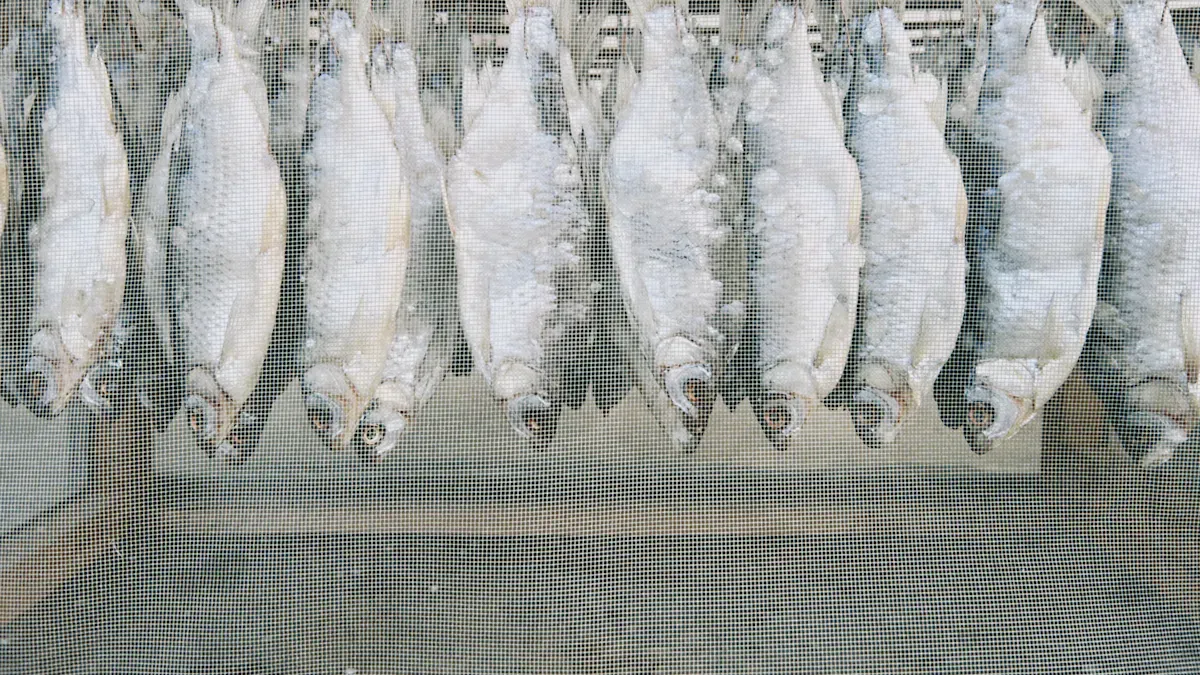
Seafood vacuum packaging stands out as the best way to lock in freshness and boost seafood preservation. You want your fish to taste just-caught every time you cook. Using high-quality vacuum pouches from brands like Meiji Packaging keeps food safe and delicious. These pouches protect seafood from air and moisture, making a big difference in quality. Ready for some simple tips? You can keep your seafood at its best with a few easy steps.
Key Takeaways
Vacuum packaging makes seafood last two or three times longer. This helps you save money and throw away less food.
Always make seafood cold and dry before sealing it. This gives a tight seal and stops the seafood from going bad.
Use good vacuum pouches that have safety labels. This keeps your seafood fresh and safe to eat.
Write the name and date on your vacuum-sealed packages. This helps you know how fresh they are and stops waste.
Do not put too much seafood in one vacuum bag. This helps the bag seal right and keeps air from getting in.
Seafood Vacuum Packaging Benefits
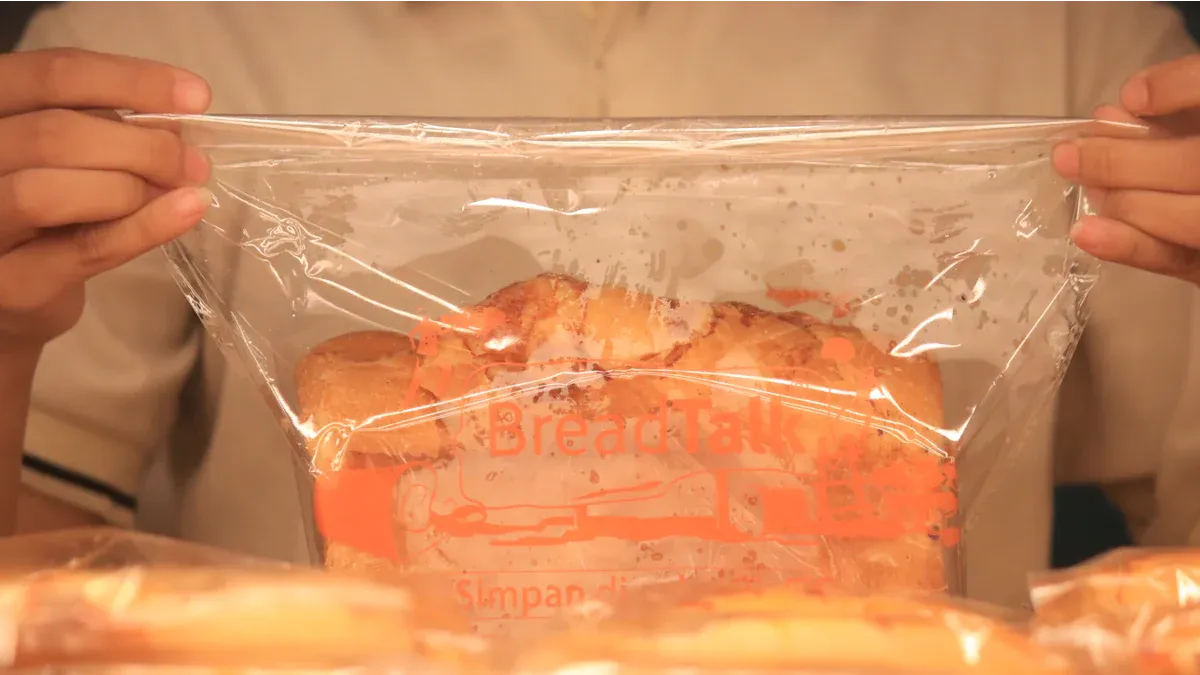
Extended Shelf Life
You want your seafood to stay good for more days. Vacuum packaging helps your fish and meat last much longer. It can make the shelf life two or three times longer. Look at this table to see how long seafood can stay fresh:
Seafood Type | Packaging Type | Shelf Life (Days) | Shelf Life Extension (%) |
|---|---|---|---|
Catfish Fillets | Oxygen-permeable packaging | 4 | N/A |
Catfish Fillets | Vacuum packaging | 6-8 | 50-100% |
Rainbow Trout | Over-wrapped packaging | 6 | N/A |
Rainbow Trout | Vacuum packaging | 10 | N/A |
Vacuum sealed food keeps its taste and feel. You have more time to eat your favorite seafood. This way, you throw away less food and save money.
Quality Preservation
You want your seafood to taste fresh every time. Vacuum packaging keeps seafood fresh and slows down spoilage. Studies say vacuum packaging helps meat and fish stay good for longer. See these results:
Study Description | Findings |
|---|---|
Mussels vacuum packaged and processed in a steam over pressure retort | Rated as excellent by a sensory panel and remained in good condition after one year at room temperature. |
Comparison of rainbow trout and Baltic herring in different packaging types | Vacuum and gas-packaged fillets showed slower growth of mesophilic bacteria compared to over-wrapped packages. |
Effects of UV-C irradiation and vacuum sealing on shelf life | Vacuum packaging can extend the shelf life of seafood products by 50–400%, aiding in quality maintenance and distribution. |
Meiji Packaging’s vacuum pouches give strong protection. They keep out air and water. This means your seafood stays safe and fresh.
Food Safety
Food safety is important at home and in restaurants. Vacuum packaging helps keep your food safe. Here is how it works:
Vacuum packaging stops bacteria and germs that need air.
It lowers the risk of Clostridium botulinum, which is very dangerous.
Taking out air also lowers the risk of Listeria and other bad bacteria.
This method helps businesses follow food safety rules and gives families safer meals.
Meiji Packaging’s vacuum pouches meet tough safety rules. They have BRCGS, FDA, ISO, and TUV certifications. You can use these pouches at home or in a business.
Tip: Pick vacuum pouches with strong safety certifications for the best results and to keep your food fresh.
How Vacuum Packaging Works
Oxygen Removal
When you vacuum seal seafood, you pull almost all the air out of the bag. This step makes a big difference. Most spoilage bacteria, like Pseudomonas and Aspergillus, need oxygen to grow. Without air, these bacteria slow down or stop multiplying. That means your seafood stays fresh longer and smells better.
Vacuum packaging creates an oxygen-free space.
Spoilage bacteria can’t thrive without oxygen.
You avoid bad smells and slimy textures.
Food keeps its color, taste, and nutrients.
If you keep oxygen levels below half a percent, you block most problems that ruin seafood. You get to enjoy fish that looks and tastes just-caught.
Tip: Always make sure you remove as much air as possible for the best results.
Moisture Barrier
Vacuum pouches do more than just remove air. They also lock in moisture. When you use a high-quality vacuum pouch, like those from Meiji Packaging, you keep the natural juices inside your seafood. The pouch forms a tight seal, so moisture can’t escape.
No air pockets means no place for water to leave.
The barrier keeps seafood juicy and tender.
Vacuum sealing also protects your seafood from freezer burn. Freezer burn happens when air dries out the surface of food. With a strong moisture barrier, your seafood stays fresh and tasty, even after weeks in the freezer.
Comparison to Traditional Storage
Traditional storage methods, like wrapping seafood in plastic or using containers, let in air and moisture. This can lead to freezer burn, dry spots, and faster spoilage. Vacuum packaging changes the game.
Vacuum sealed seafood stays fresh three to five times longer than seafood stored the old way.
You avoid freezer burn because the airtight seal keeps out air and moisture.
Your seafood keeps its flavor, texture, and color for much longer.
If you want the best results, vacuum packaging is the way to go. You get fresher seafood, less waste, and better meals every time.
Choosing Vacuum Packaging Supplies
Selecting Vacuum Sealers
It is important to pick the right vacuum sealer. Not all vacuum sealers are the same. Some machines are better for soft fish and shellfish. Look for these things when you buy:
The pulse button helps you control how much air you remove. You can seal soft seafood without squishing it.
Removable drip trays make cleaning up spills easy. This helps your vacuum sealer last longer.
Pressure and compression controls keep fragile fish safe. You do not crush your seafood when sealing.
Some sealers can seal liquids. This lets you marinate fish or get food ready for sous vide.
A good vacuum sealer makes packaging easy. It keeps your seafood safe and fresh. You will waste less food and get better results.
Picking Vacuum Pouches
You need strong and safe pouches for your seafood. Meiji Packaging uses special materials like PA/PE and EVOH. These pouches stop air and water from getting in. This keeps your seafood fresh. You can pick pouches from 60 to 200 microns thick. For seafood, 3.5 to 4 mil is best. This thickness protects your fish and keeps the taste, smell, and nutrients inside.
Meiji Packaging’s pouches have BRCGS and FDA safety labels. This means your food is safe. You can also choose pouches that can be recycled. These are good for the planet and still work well.
Here are some benefits:
Advantage | Description |
|---|---|
Inhibit microbial growth | Stops germs from growing, so your food is safer. |
Block moisture and oxygen | Keeps out water and air, so seafood does not spoil. |
Extend shelf life | Makes seafood last longer and stay fresh. |
Environmentally Friendly | Made from materials that can be recycled, which helps the earth. |
Vacuum packaging uses strong pouches to keep seafood safe. You can freeze fish for up to two months. In the fridge, vacuum packed seafood stays fresh for six days. In the freezer, it can last two years. You do not get freezer burn, and your seafood tastes great.
Tip: Always use vacuum pouches that are FDA-compliant, high-barrier, and recyclable for the best results.
Preparing Seafood for Preservation
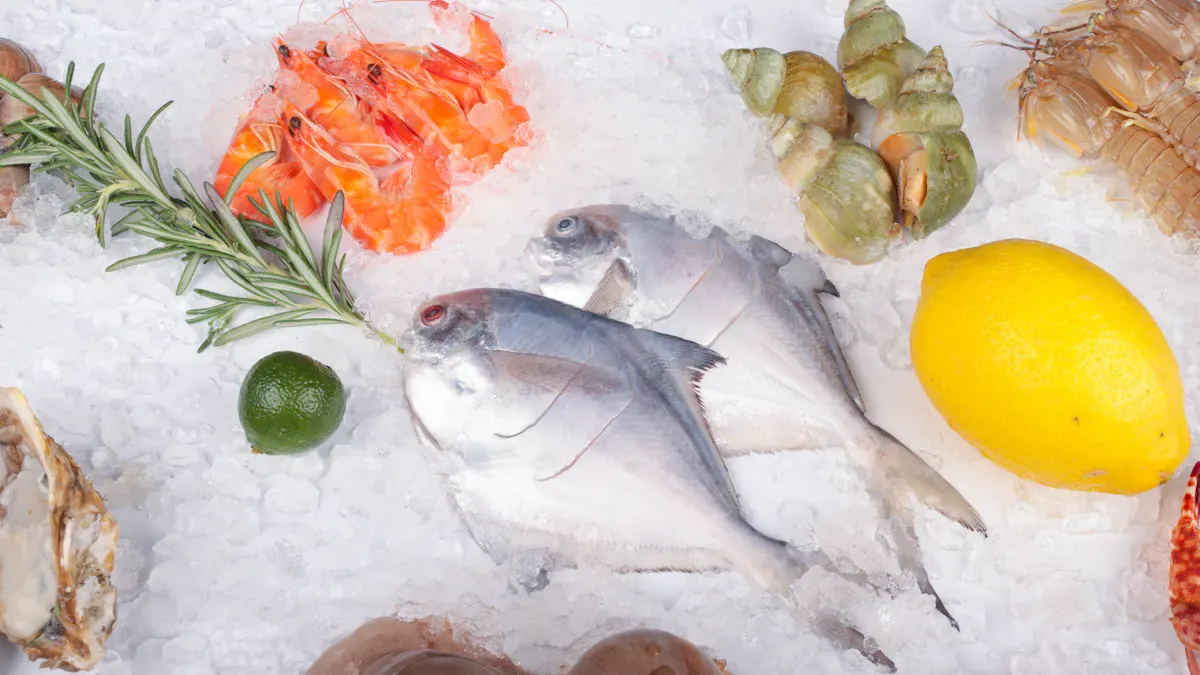
Pre-Chilling and Drying
You want your fillet to stay fresh and tasty. Start by chilling your seafood before you vacuum seal it. Cold fillet holds its shape better and keeps bacteria from growing. Place your fillet in the fridge for about 30 minutes. Dry the surface with a paper towel. Wet fillet can make it hard to get a tight seal. A dry fillet also helps the pouch stick close to the food. This step gives you the best results for long-term preservation.
Tip: Always chill and dry your fillet before sealing. You will get a better seal and fresher food.
Portioning Seafood
Cut your fillet into meal-sized pieces before you seal. This step makes life easier later. Here is why you should portion your fillet:
Smaller packs freeze faster, which helps stop freezer burn.
You only thaw what you need, so your fillet stays at the right temperature.
Meal prep gets simple, and you can buy in bulk without worry.
When you portion your fillet, you keep your fish in top shape. You also save time when you cook. Your food will taste just as good as the day you packed it.
Avoiding Overfilling
Do not stuff too much fillet into one pouch. Overfilling can cause problems. Here is what can happen:
The seal may wrinkle, which lets air leak in.
Air leaks can spoil your fillet and ruin your meal.
A flat, clean seal line keeps freezer burn away and locks in freshness.
Leave some space at the top of the pouch. This helps your vacuum sealer do its job. You get a strong seal and your fillet stays safe until you are ready to eat.
Vacuum Sealing Steps
Arranging Seafood
You want your seafood to stay fresh and look great when you open the bag. Start by laying each piece flat inside the pouch. Make sure the pieces do not overlap. This helps the vacuum sealer pull out all the air. If you stack or crowd the fish, air can get trapped. That can cause freezer burn or spoilage.
If you are vacuum-sealing fish with sharp bones or shells, place a layer of parchment paper between the pieces. This protects the pouch from getting punctured. For delicate seafood, like fillets or shrimp, arrange them in a single layer. You get better results and your food looks more appealing when you open the pouch.
Tip: Flash freeze your seafood for a few hours before vacuum sealing food. This keeps the shape and stops juices from leaking out during the process.
Ensuring a Tight Seal
Getting a tight seal is the most important part of seafood vacuum packaging. If you do not seal the pouch well, air can sneak in and ruin your food. Here are some steps you can follow to make sure you get a strong seal every time:
Leave about three inches of headspace at the top of the pouch. This gives the vacuum sealer enough room to work.
Dry the opening of the pouch with a paper towel. Moisture or bits of food can stop the pouch from sealing tight.
Make sure the fish is completely dry before you start vacuum sealing food. Wet surfaces can weaken the seal.
Massage the pouch gently during the vacuum cycle. This helps push out any trapped air and gives you a tighter seal.
If you want to keep your seafood extra fresh, wrap it in plastic wrap and flash freeze it for three to four hours before vacuum sealing food. This step locks in moisture and helps the pouch seal better.
Note: Always check the seal line after vacuum sealing food. If you see wrinkles or gaps, seal it again to keep your seafood safe.
Double Sealing for Long-Term Storage
If you plan to keep your vacuum sealed food in the freezer for a long time, double sealing is a smart move. This means you seal the pouch once, then seal it again just above the first line. Double sealing gives you extra protection against leaks and freezer burn.
Follow these steps for double sealing:
After vacuum sealing food, wait a few seconds for the seal to cool.
Move the pouch up about half an inch and seal it again.
Check both seals to make sure they are smooth and tight.
Double sealing is especially helpful when vacuum-sealing fish for months at a time. You get peace of mind knowing your seafood will stay fresh and safe until you are ready to enjoy it.
Tip: Use double sealing for all your seafood vacuum packaging if you want the best results for long-term storage.
Storing Vacuum Sealed Food
Refrigerator Storage
You want your seafood to stay fresh as long as possible. The refrigerator is a great place for short-term storage. Keep your vacuum sealed seafood at 40°F (4°C) or below. This temperature slows down bacteria and keeps your food safe. Here are some quick tips:
Always check that your fridge stays at or below 40°F (4°C).
Place seafood on the coldest shelf, usually near the back.
Vacuum-sealed seafood can last 1 to 2 weeks in the refrigerator. This is much longer than seafood stored in regular packaging.
If you need to store seafood for more than two weeks, freezing is the better choice.
Freezer Storage
Freezing works best for long-term storage. Vacuum sealed food keeps its taste and texture much longer in the freezer. You can store seafood for 6 months to 2 years, depending on the type. Fish like salmon and tuna last up to two years. Shellfish and delicate fish do best if you use them within six months to a year.
Set your freezer to 0°F (-18°C) or lower.
Lay packages flat so they freeze quickly and evenly.
Avoid stacking too many bags at once. This helps cold air move around each package.
You will notice your seafood stays free from freezer burn and keeps its fresh flavor.
Organizing Packages
A tidy freezer or fridge makes life easier. You can find what you need fast and avoid wasting food. Try these simple steps:
Label each package with the date and type of seafood.
Use clear vacuum pouches so you can see what’s inside.
Place newer packages behind older ones. This way, you use the oldest seafood first.
Group similar items together, like shrimp in one spot and fish fillets in another.
Tip: Keep a small notepad or whiteboard on your freezer door. Write down what you store and when you plan to use it. This helps you keep track and enjoy your seafood at its best.
Labeling and Tracking
Keeping your seafood organized makes life easier and keeps your meals safe. You do not want to guess how long your fish has been in the freezer. Good labeling and tracking help you avoid waste and enjoy the freshest seafood every time.
Dating Packages
You should always write the date on each vacuum-sealed package. Use a permanent marker or a label that sticks well to cold surfaces. Write the date you sealed the seafood and the type of fish or shellfish inside. This simple step helps you remember what you have and when you packed it.
Tip: Add a "use by" date if you want extra peace of mind. You can base this on how long seafood usually stays fresh in the fridge or freezer.
A clear label saves you from playing the guessing game. You will know exactly which package to use first. No more mystery bags in the back of your freezer!
Here’s a quick way to label:
Write the date (MM/DD/YY)
List the seafood type (like "Salmon Fillet")
Add a "use by" date if you want
You can even use color-coded stickers for different types of seafood. This makes it easy to spot what you need at a glance.
FIFO Method
The FIFO (First In, First Out) method helps you keep your seafood at its best. You use the oldest packages first, so nothing gets forgotten or wasted. This method is simple and works well for vacuum-sealed seafood.
Here’s why FIFO matters:
You use older seafood before it spoils.
You keep your freezer organized and easy to manage.
You lower the chance of seafood expiring before you eat it.
You keep your meals fresh and tasty every time.
Just place new packages behind the older ones. When you need seafood, grab the package with the earliest date. This habit keeps your seafood rotation smooth and your meals safe.
Remember: FIFO is your friend for keeping seafood fresh and reducing waste. A little organization goes a long way!
Common Mistakes in Seafood Vacuum Packaging
When you use seafood vacuum packaging, you want to keep your seafood as fresh as possible. But sometimes, small mistakes can lead to food spoilage or freezer burn. Let’s look at the most common problems and how you can avoid them.
Incomplete Seals
A weak or incomplete seal is one of the biggest reasons for spoilage. If air sneaks into the pouch, your fish can go bad quickly. Here’s a table that shows what causes incomplete seals and how they happen:
Cause of Incomplete Seal | Explanation |
|---|---|
Food Residue or Moisture on the Sealing Area | Liquid, oil, or food crumbs can create gaps during sealing, allowing air to enter. |
Wrinkled or Improperly Placed Vacuum Bags | Wrinkles can act as channels for air, leading to weak seals. |
Low-Quality or Damaged Vacuum Bags | Poor-quality bags may not withstand vacuum pressure, increasing leakage risk. |
Sharp Food Items Piercing the Bag | Sharp items can create holes in the bag, causing continuous leakage. |
Worn or Dirty Sealing Gasket | A dirty or worn gasket may not seal properly, allowing air in. |
Overfilling the Vacuum Bag | Too much food can prevent proper sealing, leading to gaps. |
Incorrect Sealing Settings or Machine Malfunction | Wrong settings or machine issues can result in failed seals. |
You can prevent these problems by keeping the sealing area clean and dry, using high-quality bags, and checking your machine often.
Packaging Wet or Warm Seafood
If you seal wet or warm seafood, you might see condensation inside the pouch. This can cause freezer burn and make your frozen seafood taste dry or lose flavor. Here’s what can happen:
Sealing warm or wet foods can lead to condensation and freezer burn.
It is crucial to let hot foods cool before sealing to prevent condensation.
Always chill your seafood and pat it dry before sealing. This simple step keeps your food safe and tasty.
Overcrowding Bags
Stuffing too much seafood into one pouch can cause trouble. The bag may not seal right, or the seal might break in the freezer. When you overcrowd, air pockets can form, and that leads to food spoilage. Try to pack your seafood in single layers and leave space at the top of the bag. Your food will freeze faster and stay fresh longer.
Tip: Give your seafood some space in the bag. You’ll get better results and avoid waste.
Extra Tips for Seafood Preservation
Using Marinades
You can make your seafood taste better with marinades. Marinades keep fish moist and tasty while you store it. When you seal seafood with a marinade, the flavor goes deeper. This makes your meals taste great and helps keep them fresh.
Here is how you do it: Put your seafood in a shallow dish. Pour your favorite marinade over the fish. Let it sit in the fridge for 30 minutes. Dry the seafood with a paper towel before sealing. This stops too much liquid from getting in the pouch.
Vacuum packaging with marinades keeps flavor locked in. It also keeps your food safe. You get a quick meal that is full of taste and ready to cook.
Tip: Try using herbs, citrus, or spices in your marinade. You can get new flavors every time.
Rotating Stock
Keeping your freezer or fridge neat is important. Use the oldest seafood first. Always put new packages behind the old ones. This is called rotating stock. It helps you waste less food and keeps your seafood fresh.
Label each pouch with the date and type of seafood. Put new packages behind the older ones. Check your freezer or fridge every month. Use anything that is getting close to its limit.
Tip: Write a simple list on your fridge door. This helps you remember what you have and when to use it.
Custom Printed and Eco-Friendly Pouches
You can use custom printed vacuum pouches to keep seafood safe. These pouches block air and water. They also stop leaks and keep your fish clean. Custom printing lets you show your brand and makes your food look nice.
High barrier pouches keep seafood fresh longer. Strong pouches stop leaks. They fit many shapes, so your food always looks good.
If you want to help the planet, pick eco-friendly pouches. Meiji Packaging has recyclable mono-material pouches. These are made from one material and are easy to recycle. They have safety and earth-friendly labels.
Product Type | Material Type | Certifications/Features |
|---|---|---|
Flexible Stand Up Pouches | Compostable, Mono-PE | Eco-friendly, suitable for various products |
Recyclable Mono-PE Pouches | Single-material PE | Fully recyclable in PE recycling streams |
Mono-material Polypropylene | Mono-material PP | Enables curbside recycling, reduces carbon emissions |
Picking the right pouch helps keep seafood fresh. It also helps keep the earth clean.
You have learned how vacuum packaging helps keep seafood fresh, safe, and high quality. Using the right supplies, such as Meiji Packaging’s Vacuum Pouches, makes it easy to save your seafood. Follow these tips so your food will taste good. Try not to make common mistakes, and you will see the benefits of vacuum packaging. This method is a good way to have better meals and seafood that lasts longer at home.
FAQ
How long does vacuum-sealed seafood last in the freezer?
Vacuum-sealed seafood can last up to two years in the freezer. You keep the taste and texture much longer than with regular storage. Always check for freezer temperature at 0°F (-18°C) for best results.
Can I vacuum seal cooked seafood?
Yes, you can vacuum seal cooked seafood. Let it cool first. Dry the surface before sealing. This keeps your food safe and tasty.
Do I need special bags for vacuum sealing seafood?
You need high-barrier vacuum pouches, like those from Meiji Packaging. These bags block air and moisture. They keep your seafood fresh and safe.
Why does my vacuum-sealed bag sometimes lose its seal?
This can happen if the bag is wet, overfilled, or has sharp edges inside. Always dry your seafood, leave space at the top, and check for bones or shells that might poke the pouch.


